Why Europe Needs Its Own Nuclear Deterrent
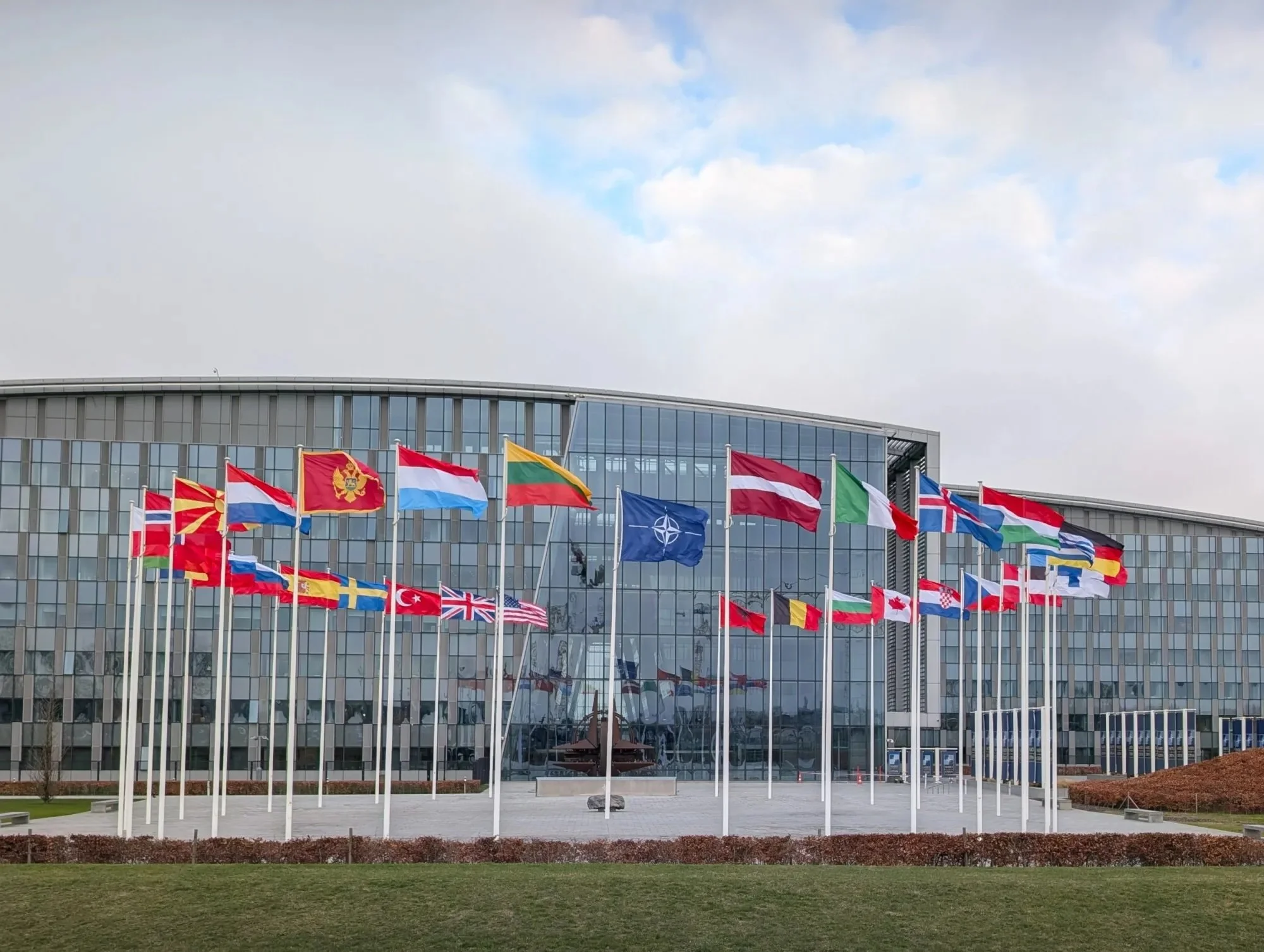
The Norwegian television series Okkupert (Occupied), also on Netflix, began with a chillingly plausible premise: a near-future Russia, with the tacit approval of the European Union, occupies Norway to seize control of its abundant North Sea oil and gas fields. (Norway, after being devastated by a hurricane attributed to global warming, elects a Green Party-ish prime minister who stops the Scandinavian country’s oil and gas production.) The drama was a meditation on sovereignty, appeasement, and the vulnerability of small nations amid resource-hungry giants. A decade ago, this was compelling fiction. Today, it reads like a prophecy laden with irony. The most explicit threat to Nordic territory comes not from Moscow’s revanchism, but from Washington’s transactionalism, with an American president coveting Greenland’s vast resources and vowing to obtain it.
Trump’s pressure to wrest this autonomous territory from Denmark underscores a terrifying truth: the foundational premise of the post-war order is dead, as Canadian Prime Minister Mark Carney eloquently made clear.) That the United States would protect the territorial integrity of its allies is no longer guaranteed. As my Hoover Institution colleague, the historian Timothy Garton-Ash, recently diagnosed our era with brutal clarity, “The West is history. Muscle up for a post-Western world of illiberal international disorder.” READ MORE
NATO’s Myopic Accounting Ignores Maritime Superpower Greece
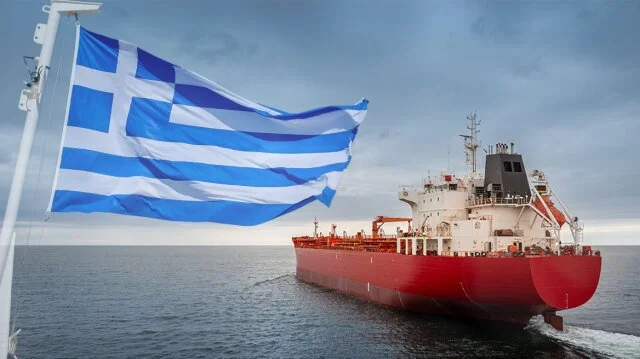
America just skipped December’s NATO foreign ministers’ meeting. That’s a first in over two decades. Part of the reason is the alliance’s irrelevance to President Donald Trump’s personalized, high-stakes peace negotiation to end the Russia-Ukraine war. Another is likely the administration’s weariness over Europe’s anemic defense spending. The alliance’s current 2 percent of GDP benchmark has long been a source of transatlantic friction. It is also a dangerously simplistic metric that measures inputs, not outputs.
The benchmark quantifies treasure, not strategic capability, and overlooks one of the most critical (and undervalued) contributions allies can make: maritime power—specifically, commercial sealift capacity. There is a solution. READ MORE
India - 2024 National Elections
"Inside the Issues" host Amrit Singh is joined by Markos Kounalakis, visiting fellow at Stanford University's Hoover Institution, who discusses the largest democratic election on Earth taking place in India this week.

Ukraine’s fate could renew a race for weapons of mass destruction
Regret is what Ukrainian leaders must be feeling these days, as Russia amasses troops along the border. There’s nothing that says “keep your hands off my territory” like fully armed, nuclear-tipped weaponry — the sort that Kyiv surrendered shortly after the Soviet Union collapsed in 1991. Now officials have no nuclear option to deter an invasion.

The international community should be careful how it lets this play out. Nations that still have access to weapons of mass destruction will draw conclusions about whether to cling to those armaments at all costs. READ MORE
MLB's All-Star Game can save Taiwan
Major League Baseball just missed a great opportunity to seed new markets, build its brand and address growing anti-Asian sentiment in the United States. Instead of moving its all-star game from Georgia to Colorado, it should have taken this summer’s game farther afield to a surprising new venue: Taiwan. READ MORE

The ‘Quad’ nations, including the U.S., play a high-stakes game with China
Cricket or baseball? Can these two bat-and-ball sports, and the nations that support them, find a common language and work toward common goals — not just in sport, but in loose alliance? Four countries that are big into cricket and baseball are also working together trying to keep the world safe for democracy.

India and Australia are cricket nations. Japan and the United States are all about baseball. Together, the four nations are known as the “Quad” — “Quadrilateral Strategic Dialogue” — and they are invested in securing the Indo-Pacific region. That’s the vast swath of land and sea from the Pacific Ocean to the Indian Ocean.
At the same time that the 60-game Major League Baseball season is in playoffs, high-level Quad political representatives met face-to-masked-face in Tokyo. Their goal? Figure out how to play ball together and keep China from winning the game of global competition. READ MORE
Rumors of a leader’s death keep everyone guessing — and that’s the point
Remember where you were when you first heard “Paul is dead?” Boomers easily recall the day their beloved mop-top Beatle was missing, declared dead and gone. It was a traumatic moment for many who saw the signs, found the clues and believed the hype. Paul McCartney had clearly passed away.
It was a déjà vu moment this week when international rumors took flight and premature reports came in declaring the near death of Kim Jong Un. North Korea’s dictatorial ruler and modern mop-top leader was said to have gone through a medical procedure that rendered him at death’s door. As of this writing, these rumors have not been confirmed. What is confirmed is that Kim Jong Un is no Paul McCartney.
In fact, Kim more likely resembles Fidel Castro.

Castro was regularly rumored to be dead. It became a featured meme. James Cason, who later became Coral Gables mayor, served as head of the U.S. Interests Section in Havana between 2002 and 2005 and once said that Castro “must have died 20 times since the time I went to Cuba.”
Sensational rumors are started and popularly circulated for many reasons. Self-started rumors, for example, are often launched for publicity purposes, as with Morton Downey Jr. or Jussie Smollett. READ MORE
Trump has robust, sensible foreign policy goals. But he doesn’t have any follow-through
Donald Trump’s successful 2016 road to the White House was paved with irreverent campaign rhetoric and a world of good intentions regarding American foreign policy. Like Barack Obama before him, he called the Iraq War a mistake and recognized China as a rising global competitor. Where Trump differs with his predecessor on foreign-policy goals is mostly reflected in an approach toward personnel and a highly personal style that forswears process and favors disruption.

The president’s critics should realize, however, that when it comes to both Trump’s instincts and intentions, his desired foreign-policy outcomes are mostly aligned with those of past presidents and in sync with longstanding American goals. READ MORE