Why Europe Needs Its Own Nuclear Deterrent
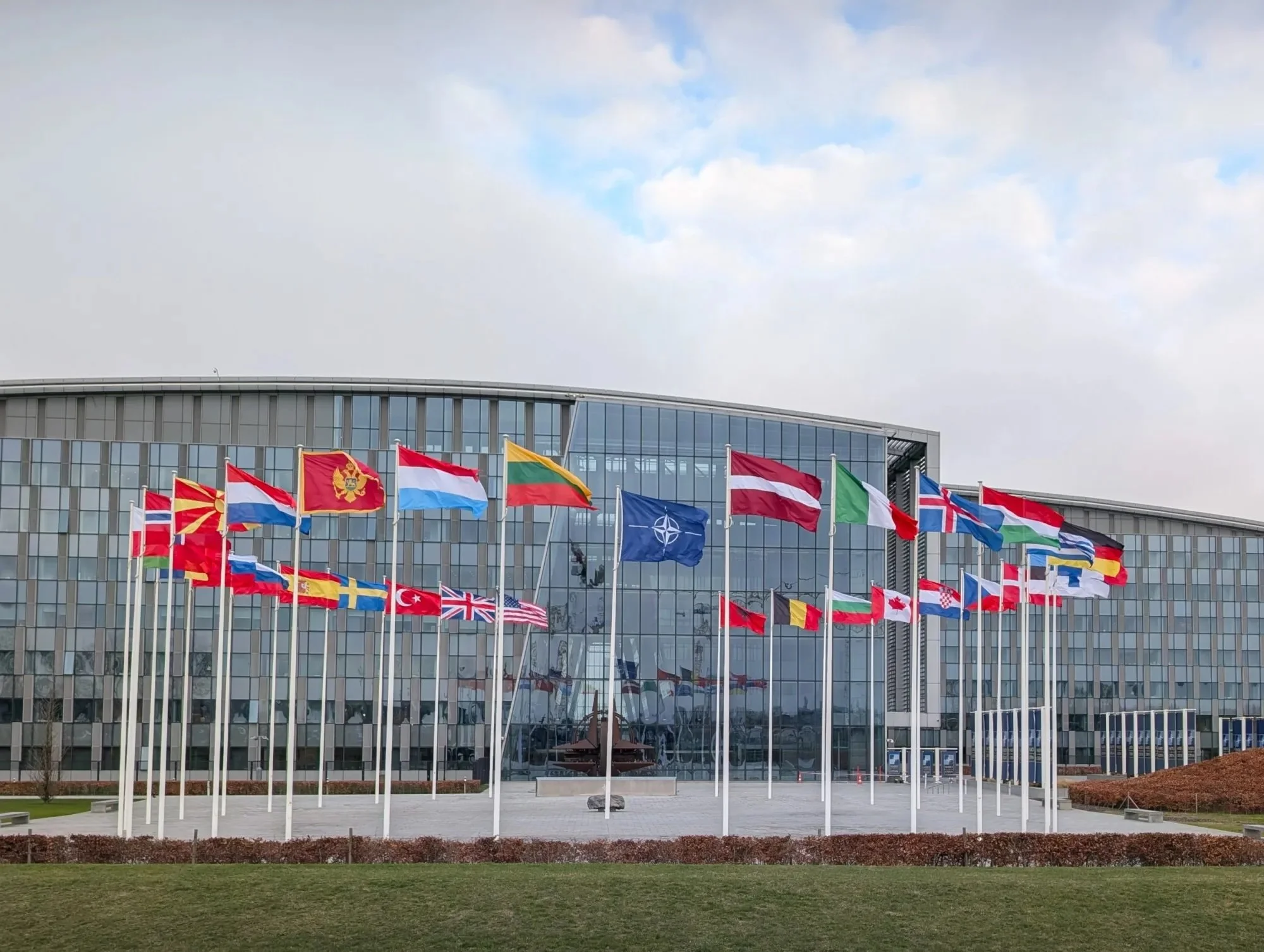
The Norwegian television series Okkupert (Occupied), also on Netflix, began with a chillingly plausible premise: a near-future Russia, with the tacit approval of the European Union, occupies Norway to seize control of its abundant North Sea oil and gas fields. (Norway, after being devastated by a hurricane attributed to global warming, elects a Green Party-ish prime minister who stops the Scandinavian country’s oil and gas production.) The drama was a meditation on sovereignty, appeasement, and the vulnerability of small nations amid resource-hungry giants. A decade ago, this was compelling fiction. Today, it reads like a prophecy laden with irony. The most explicit threat to Nordic territory comes not from Moscow’s revanchism, but from Washington’s transactionalism, with an American president coveting Greenland’s vast resources and vowing to obtain it.
Trump’s pressure to wrest this autonomous territory from Denmark underscores a terrifying truth: the foundational premise of the post-war order is dead, as Canadian Prime Minister Mark Carney eloquently made clear.) That the United States would protect the territorial integrity of its allies is no longer guaranteed. As my Hoover Institution colleague, the historian Timothy Garton-Ash, recently diagnosed our era with brutal clarity, “The West is history. Muscle up for a post-Western world of illiberal international disorder.” READ MORE
Venezuela and the Dawn of the Don-roe Doctrine
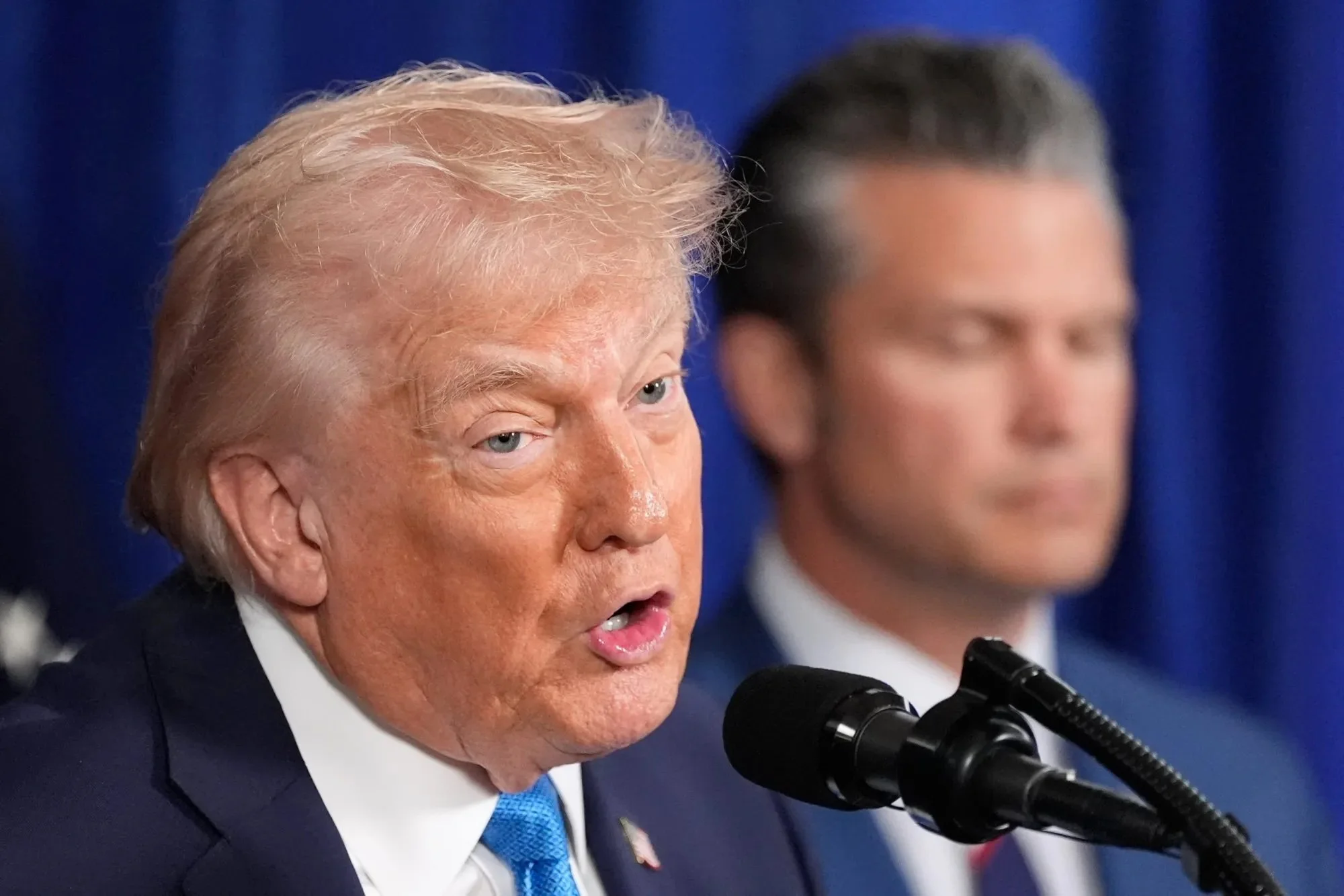
Nicolás Maduro is in American custody. With that simple fact, the Western Hemisphere’s geopolitical landscape has irrevocably shifted. The United States has crossed a threshold, trading years of sanctions and diplomatic pressure for swift, decisive military action. This is a historic pivot, a moment that will be studied for decades, not only for its impact on Venezuela but for what it signals about the future of American power in its hemisphere.
In a recent conversation, my friend, Leopoldo López, the Venezuelan opposition leader in exile, cut straight to the core of this complex reality. He reinforced the U.S. administration’s framing of the operation: this was not a war against a nation, but a judicial action against a “criminal” who had held 30 million people hostage. It is a critical distinction, one that seeks to legitimize an otherwise fraught intervention. READ MORE
NATO’s Myopic Accounting Ignores Maritime Superpower Greece
America just skipped December’s NATO foreign ministers’ meeting. That’s a first in over two decades. Part of the reason is the alliance’s irrelevance to President Donald Trump’s personalized, high-stakes peace negotiation to end the Russia-Ukraine war. Another is likely the administration’s weariness over Europe’s anemic defense spending. The alliance’s current 2 percent of GDP benchmark has long been a source of transatlantic friction. It is also a dangerously simplistic metric that measures inputs, not outputs.
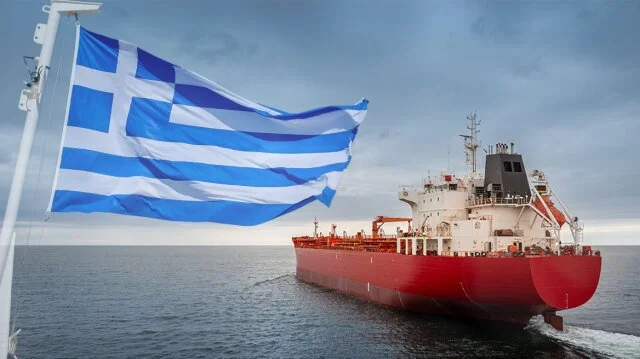
The benchmark quantifies treasure, not strategic capability, and overlooks one of the most critical (and undervalued) contributions allies can make: maritime power—specifically, commercial sealift capacity. There is a solution. READ MORE
The state of the Ukraine-Russia war

“Inside the Issues” host Amrit Singh is joined by Dr. Markos Kounalakis, visiting fellow at Stanford University’s Hoover Institution, who breaks down the state of the Ukraine-Russia war, which has entered its 1,000th day. November 19, 2024 on Spectrum News.
Russia-Ukraine War Analysis - Spectrum 1 News

“Inside the Issues” host Amrit Singh is joined by Markos Kounalakis, a visiting fellow at Stanford University’s Hoover Institution, who reviews the latest developments in the Russia-Ukraine war.
Markos Kounalakis on WHY IS THE FORTHCOMING US PRESIDENTIAL ELECTION SO CRITICAL?

Markos Kounalakis, visiting fellow, Hoover Institution, Stanford University, at the 28th Annual Economist Government Roundtable #econroundtablegr
WHY IS THE FORTHCOMING US PRESIDENTIAL ELECTION SO CRITICAL?
• In which ways can the outcome affect Greece and the broader region? • Washington and the world: the new geopolitics of great power competition
Wess Mitchell
Former US assistant secretary of state for European and Eurasian affairs; principal, The Marathon Initiative
Markos Kounalakis
Visiting fellow, Hoover Institution, Stanford University
John Sitilides
Geopolitical strategist, Trilogy Advisors; Senior fellow for national security, Foreign Policy Research Institute; Fmr diplomacy consultant, U.S. Department of State (2006-23)
Dora Bakoyannis
MP, President of the standing committee on national defence and external affairs, Former minister of foreign affairs, Greece
Biden denounces Trump's NATO remarks, urges House GOP to pass Ukraine aid

On Tuesday, President Joe Biden called the former president’s comments regarding NATO “dangerous” and “un-American.”
“Inside the Issues” host Amrit Singh is joined by Stanford University’s Hoover Institution senior fellow Markos Kounalakis to discuss the latest Ukraine aid funding bill and Biden’s rebuke of Trump’s NATO remarks.
Ukraine War commentary on Spectrum News
Ukraine War Analysis on Spectrum News
“Inside the Issues” host Amrit Singh was joined by Markos Kounalakis, a visiting fellow at Stanford University’s Hoover Institution, to discuss the latest on the war in Ukraine. On Spectrum News 1, December 13, 2023.
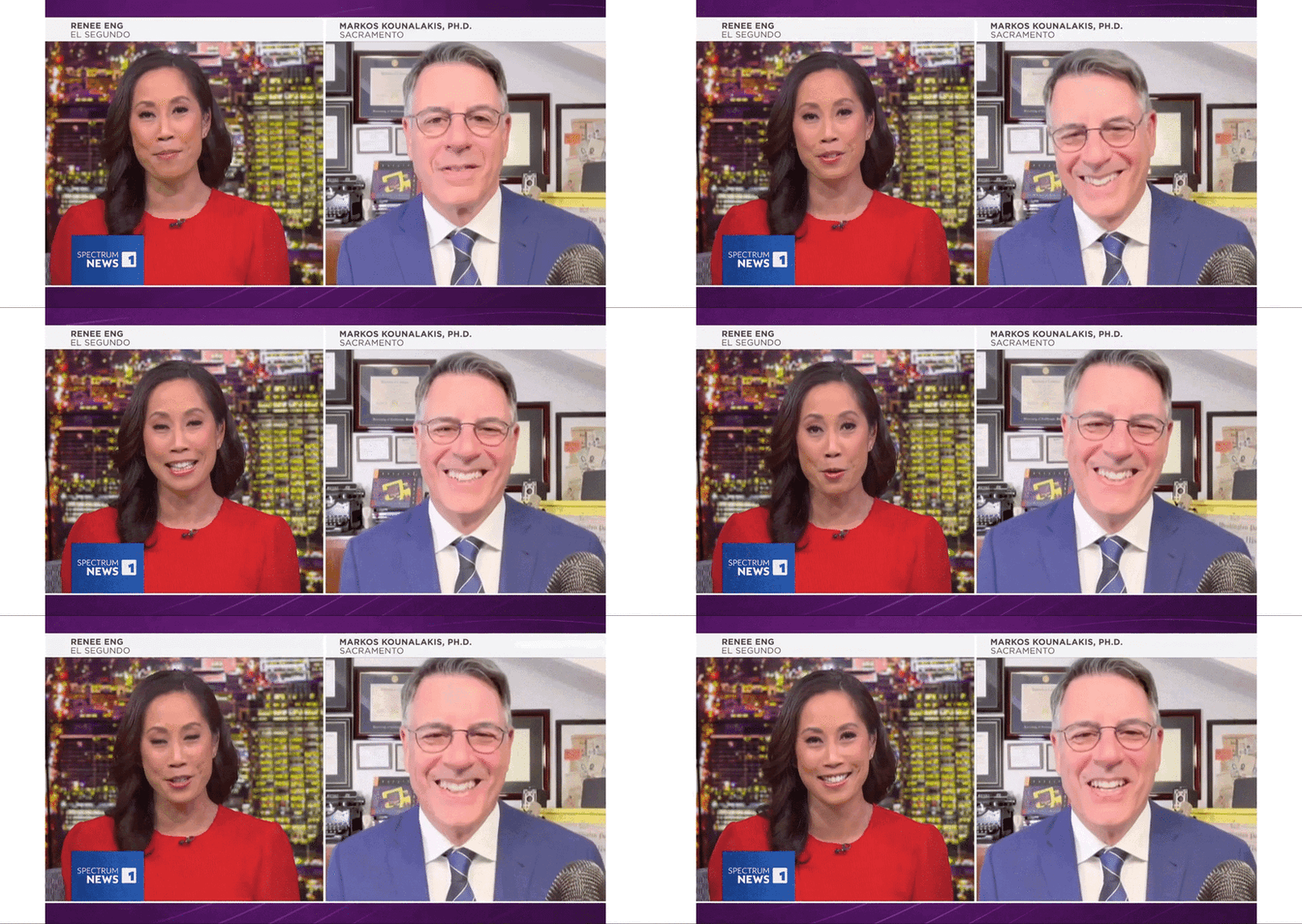
Spectrum News' Renee Eng speaks with Markos Kounalakis, visiting fellow at Stanford University’s Hoover Institution, to discuss the ongoing war in Ukraine. Live on Spectrum on November 7, 2023.
The U.S. Should Recognize Belarus’s Government in Exile
Vladimir Putin’s brutal war on Ukraine continues in the nation’s eastern Donbas region, threatening to spread south and west through Moldova into the pro-Russian breakaway state of Transnistria. Moscow’s forces are consolidating their military efforts along the Black Sea, with no credible peace talks on the horizon.
Amid this slog, Kyiv’s friends can do more than supply arms, intelligence, and prayers. America and her allies should open an aggressive diplomatic front on Russia’s isolated flank by recognizing a Belarus government in exile led by the dissident Svetlana Tikhanovskaya.

Challenging the legitimacy of Moscow’s client in Minsk will not only undermine the legitimacy of Russian troops occupying Belarus but will also buoy opponents of Putin’s ally, Alexander Lukashenko, who has allowed his nation to be drawn into the war on Ukraine. READ MORE
For Russia, It’s All About the Benjamins
Most Russians haven’t been affected by Western sanctions, but there’s one thing the U.S. Treasury can do to put real political pressure on Vladimir Putin—immediately stop circulating and honoring $100 bills in Russia.

Rather than investing in a retirement fund, ordinary and wealthy Russians alike protect their life savings by converting their rubles to dollars and stashing them at home. Russian ruble volatility and U.S. dollar security and stability have made American currency a preferred savings mechanism. For years, Russians’ bill of preference has been the $100. As of 2019, more than 661,500 pounds of $100 bills were in Russia—many of them stashed in lumpy mattresses and home-sewn money belts. That’s $31.5 billion. READ MORE
‘Navalny’ is a reminder of San Francisco’s outsized human rights role
Castro Street is the world’s most generous stage for the daily live performance of San Francisco free expression. It is where America’s gay rights movement found fertile ground and where people from across the USA can land and find a community that celebrates brave individuals who may elsewhere be oppressed.
For this reason, it was appropriately symbolic that the San Francisco premiere of the documentary “Navalny” was screened at the Castro Theatre as part of the S.F. International Film Festival. The film is about imprisoned Russian dissident Alexei Navalny and his struggle against the corrupt and criminal regime of Vladimir Putin.

Navalny’s daughter, Dasha, was at the Castro with the film producers to view and discuss the extraordinary and thriller-like documentary. The film follows Navalny’s activities, from his full-throated political opposition to his poisoning, and then, while recovering from the poisoning in Germany, his preparation to return and continue to fight for justice in Putin’s Russia — landing him again in prison. It is now viewable on CNN. Watch it! READ MORE
Putin’s War on Ukraine and the Perversion of the Letter “Z”
The Russian dictator has stripped Ukraine bare and stolen a symbol of freedom and hope.
The filmmaker Costa-Gavras immortalized the symbol Z as a protest cry for freedom and against military dictatorship and violence. His 1969 Oscar-winning movie of that name starkly dramatized the 1963 murder of the Greek opposition leader Grigoris Lambrakis by right-wing extremists.
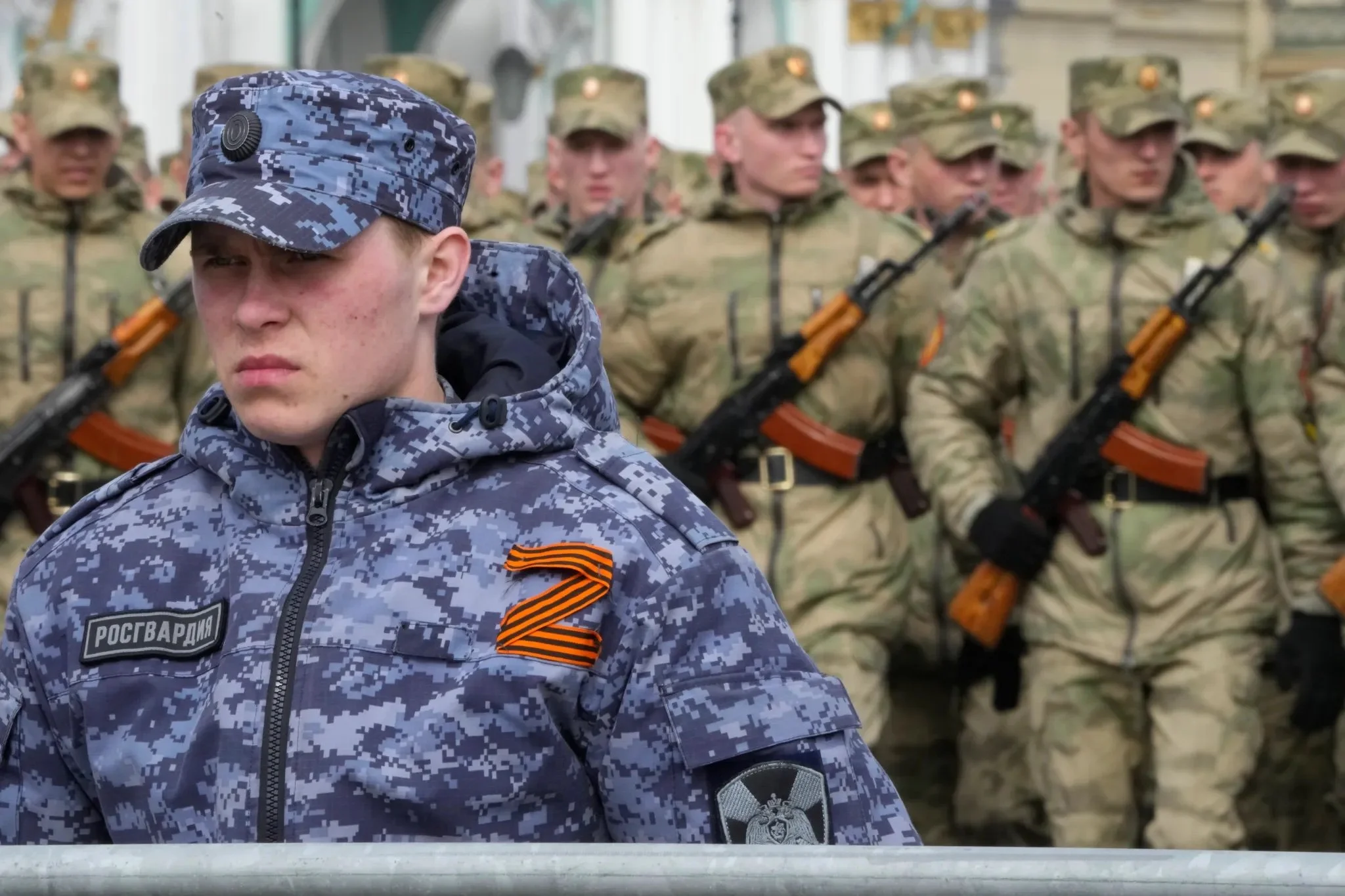
Protests against both Lambrakis’s murder and the sham trial that followed crystallized in the form of a letter: Z. Athenian buildings were spray-painted with Z graffiti; illegal gatherings throughout Greece were punctuated by loud cries of “Z!” When pronounced as zée, the letter in Greek means “He lives.” “Z!” was a raised fist of rebellion, and it also meant “Hope lives.”
No more.
In Vladimir Putin’s Russia, with its perverse up-is-downism, the letter Z has been appropriated to represent ethnonationalist militarism, death, and destruction. READ MORE
From Ukraine to Venezuela, people are fleeing their homes and becoming weaponized refugees
Refugees are daily streaming over borders to neighboring countries and adding to what is already the world’s largest refugee crisis. The country they are fleeing is embattled, violent and experiencing extreme shortages of medicine and food.
This is not Ukraine. It is Venezuela.
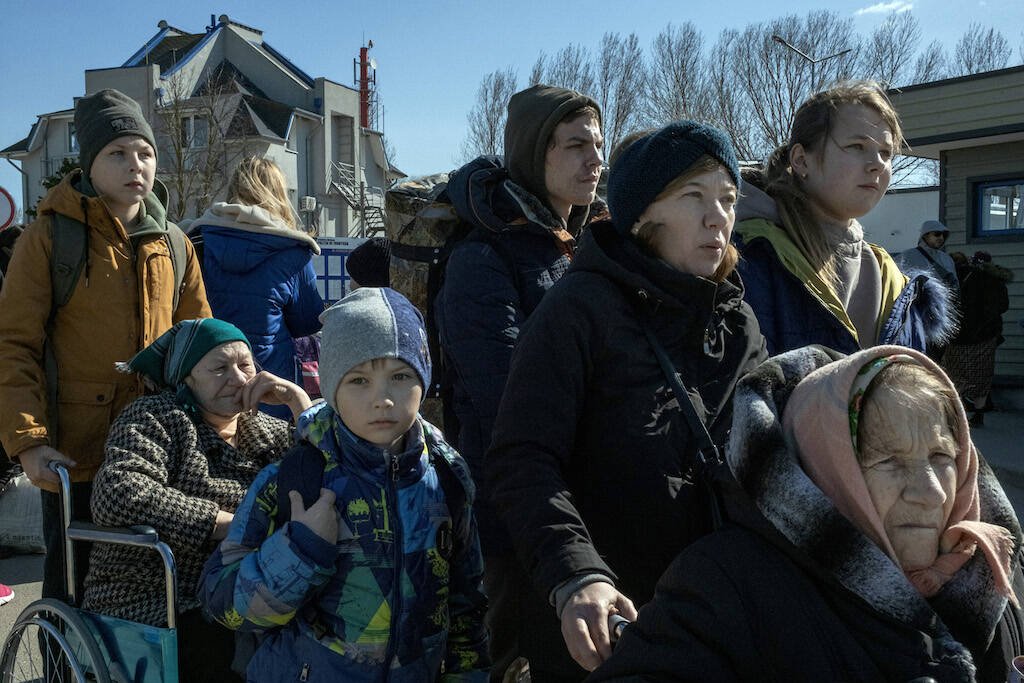
While Ukraine is undergoing invasion, Venezuela continues to suffer erosion. In both cases, people seeking survival are fleeing these two countries. In Europe, they are escaping armed invaders and rocket attacks; in Latin America, they are rushing from societal collapse. READ MORE
What Zelensky means for world democracy
Ukrainian President Volodymyr Zelensky came to America a few months back to cajole and plead for support — both military and political. He saw the storm coming. It is now a Putin-driven hailstorm of rockets and bullets raining down on cities and civilians. Urban residents have gone from sheltering-in-place against COVID to picking up arms to fight in the streets. Europe is again embroiled in a war that will not end all wars.
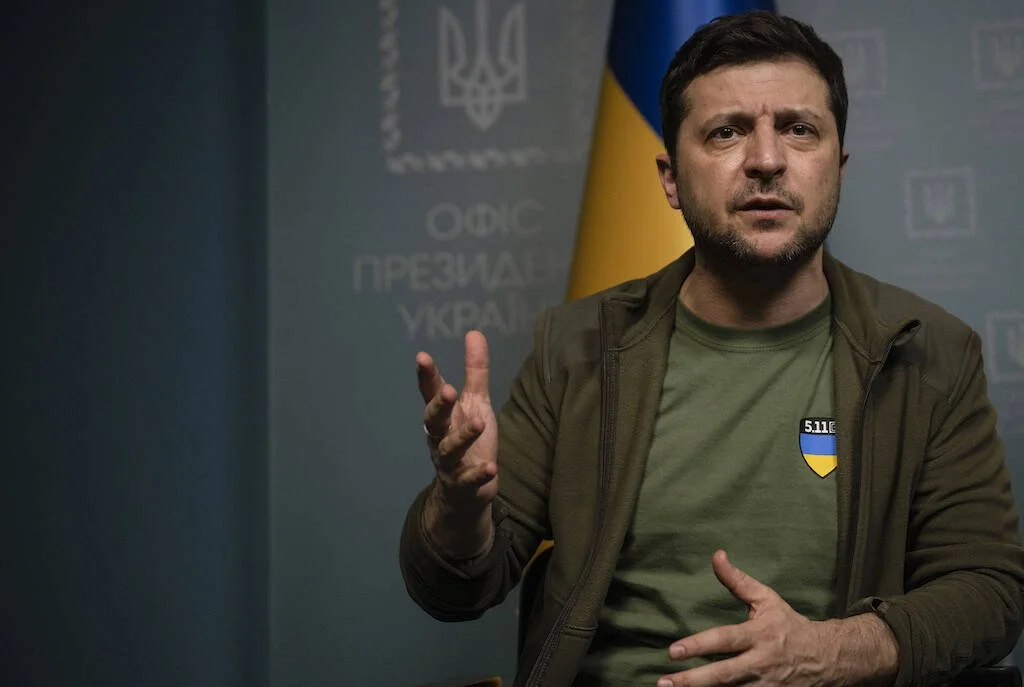
San Francisco feels a million miles away from today’s shooting and mayhem. Yet when Zelensky came to visit President Biden in September, he made a pilgrimage to America’s largest Ukrainian community: California. He gave a critical speech warning of Russia’s intentions at Stanford’s FSI center, the academic home of Mike McFaul, the former U.S. ambassador to Russia. READ MORE
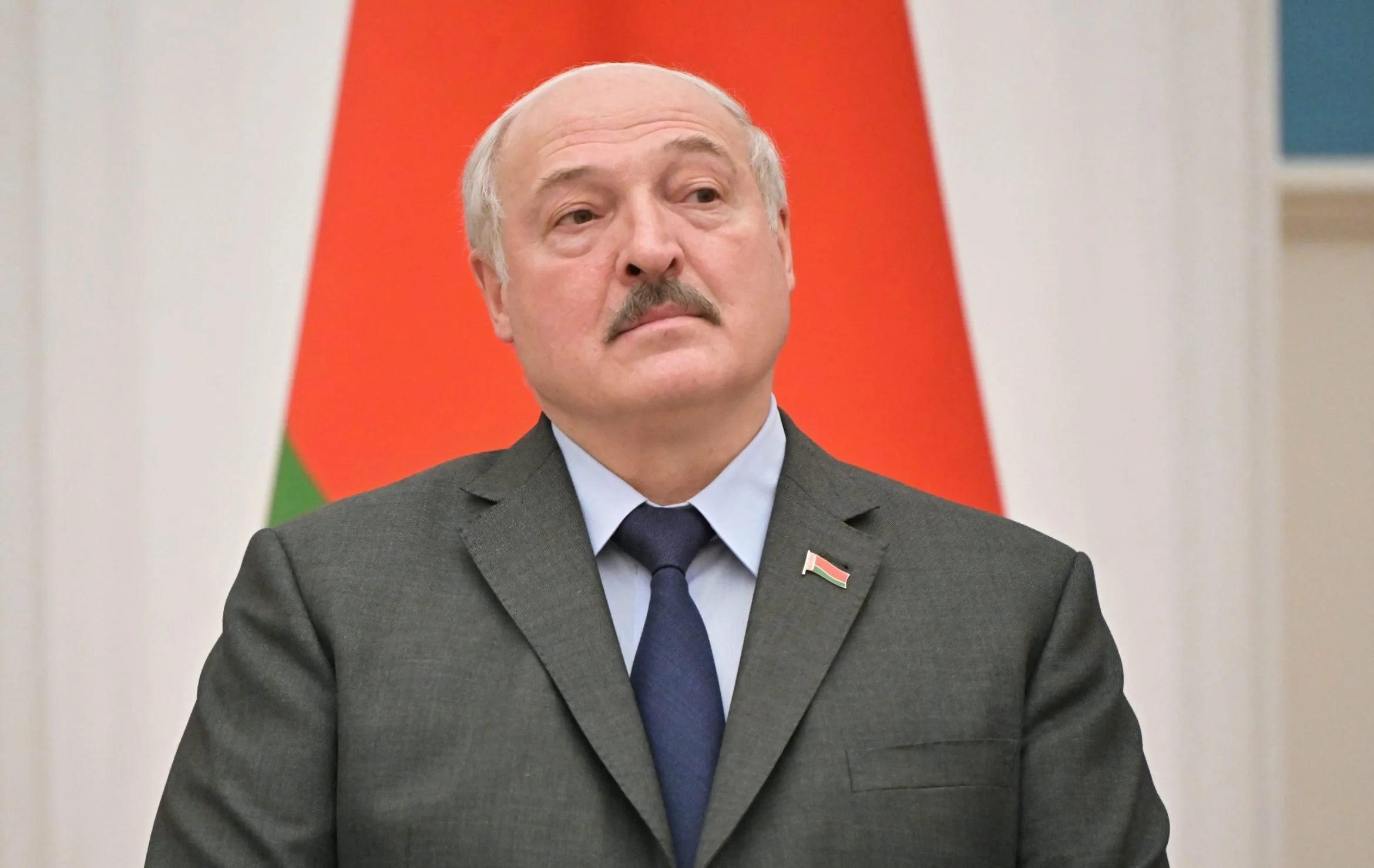
Meet Vladimir Putin’s Biggest Accomplice in His War on Ukraine
Belarus’s dictator, Alexander Lukashenko, has turned his country into a Russian vassal state. It didn’t have to be this way.
Vladimir Putin’s invasion of Ukraine is criminal on multiple counts, but some of them should be leveled at one of his main accomplices: Belarus’s dictator, Alexander Lukashenko.
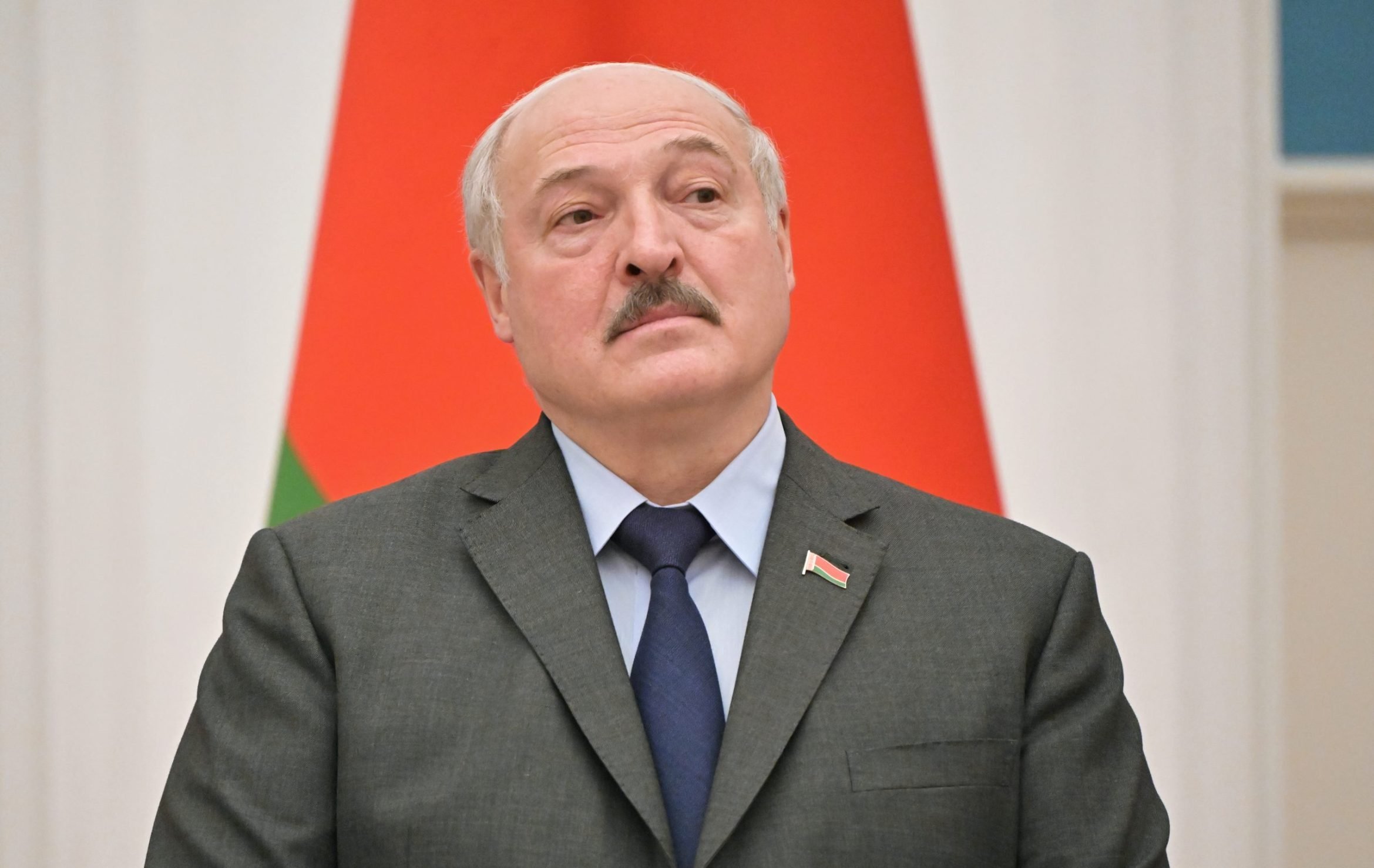
Image: Belarusian President Alexander Lukashenko speaks during a joint press conference with Russian President Vladimir Putin following their meeting, in Moscow, Russia on February 18, 2022. (Sergey Guneev / Sputnik via AP)
Russia’s military is executing an unprovoked and unprecedented attack on a peaceful neighbor on many fronts, from the air and sea. The land war, however, would not be as effective or lethal were it not for Lukashenko providing a front along Belarus’s southern border, not far from Ukraine’s capital, Kyiv.
Indeed, Ukraine President Volodymyr Zelensky put it bluntly—Belarus is “not neutral,” he said—when weighing potential negotiations in the country’s capital, Minsk. “Warsaw, Bratislava, Budapest, Istanbul, Baku—we proposed all that to the Russian side,” he said. “Any other city would work for us, too, in a country from whose territory rockets are not being fired.” Belarus is, in fact, far from neutral. It is complicit with the Russian attacks, and Zelensky has reckoned that any negotiations on its land would be on enemy territory.