Why Europe Needs Its Own Nuclear Deterrent
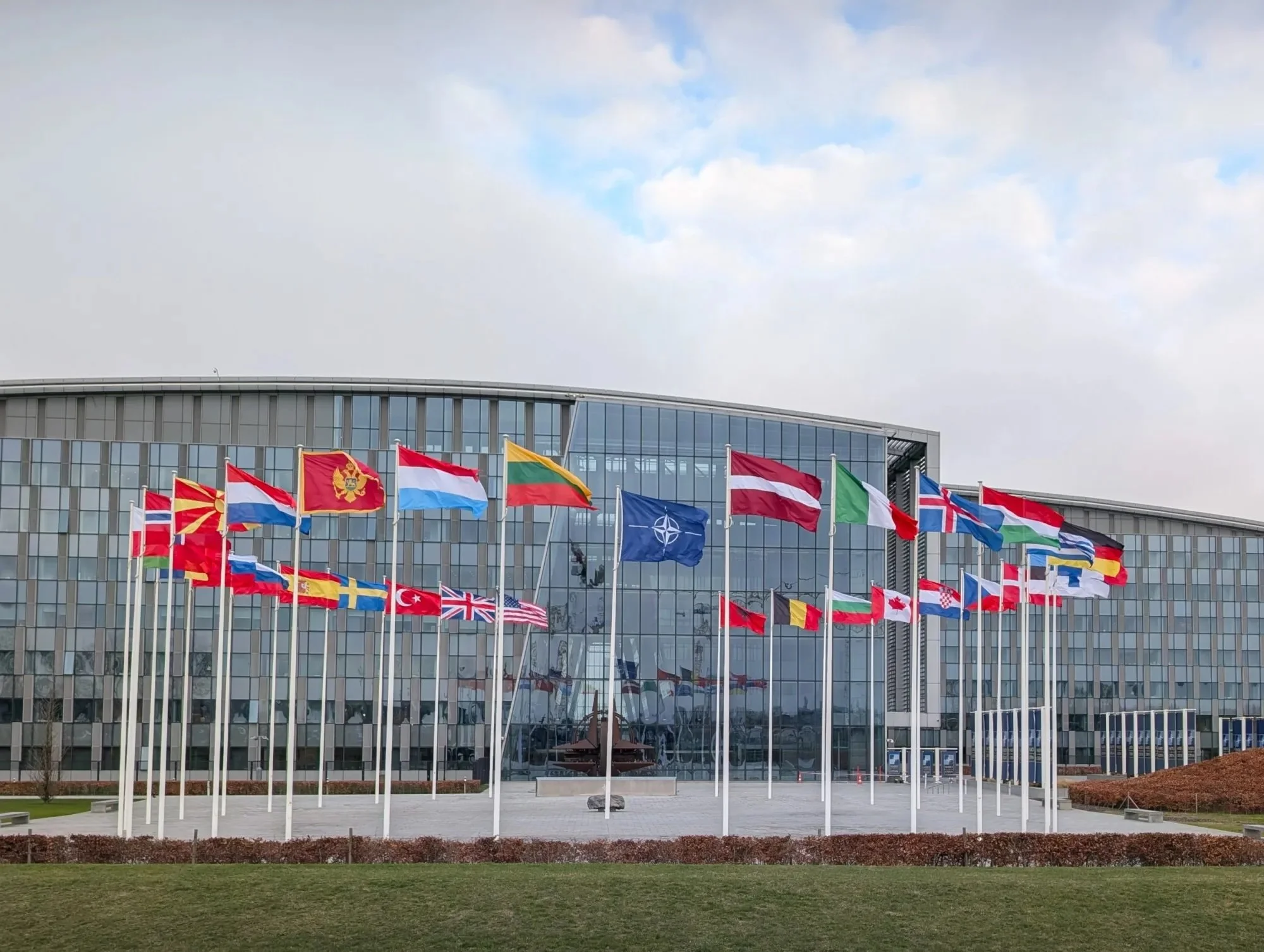
The Norwegian television series Okkupert (Occupied), also on Netflix, began with a chillingly plausible premise: a near-future Russia, with the tacit approval of the European Union, occupies Norway to seize control of its abundant North Sea oil and gas fields. (Norway, after being devastated by a hurricane attributed to global warming, elects a Green Party-ish prime minister who stops the Scandinavian country’s oil and gas production.) The drama was a meditation on sovereignty, appeasement, and the vulnerability of small nations amid resource-hungry giants. A decade ago, this was compelling fiction. Today, it reads like a prophecy laden with irony. The most explicit threat to Nordic territory comes not from Moscow’s revanchism, but from Washington’s transactionalism, with an American president coveting Greenland’s vast resources and vowing to obtain it.
Trump’s pressure to wrest this autonomous territory from Denmark underscores a terrifying truth: the foundational premise of the post-war order is dead, as Canadian Prime Minister Mark Carney eloquently made clear.) That the United States would protect the territorial integrity of its allies is no longer guaranteed. As my Hoover Institution colleague, the historian Timothy Garton-Ash, recently diagnosed our era with brutal clarity, “The West is history. Muscle up for a post-Western world of illiberal international disorder.” READ MORE
Make California a G7 Member
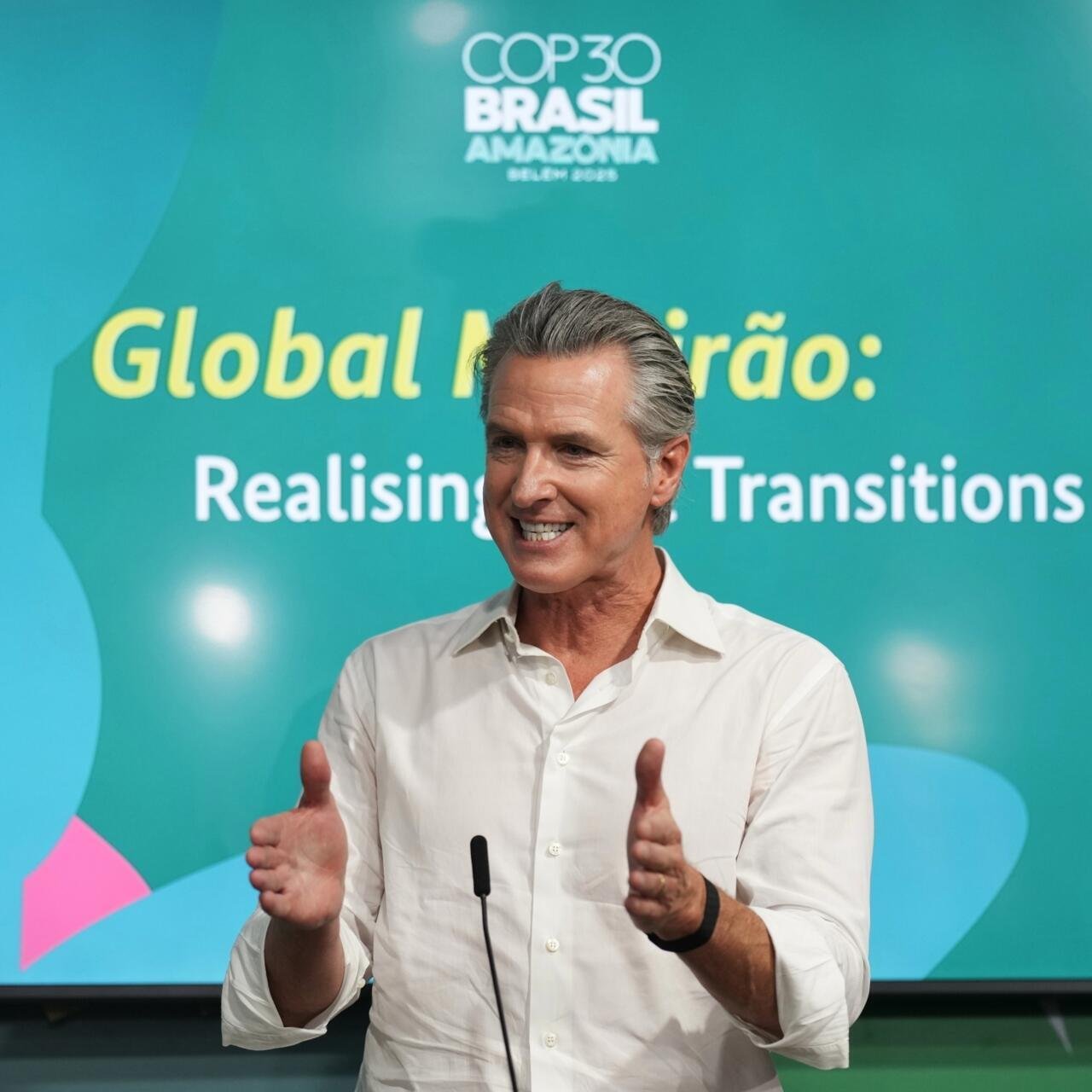
Donald Trump may have personally run exclusive clubs, but America, under his presidency, is dropping its membership in global clubs left and right. His administration recently severed our ties to the World Health Organization (WHO) and the United Nations High Commissioner for Refugees (UNHCR), as well as other organizations where countries collaborate on addressing borderless challenges and opportunities. In the last week, the Trump administration has been absent from the COP 30 Climate Summit in Brazil. It has no plans to attend the upcoming G-20 meetings in South Africa, which will bring together the world’s largest economies.
In this moment, as America retrenches from global leadership, cities and states need to step up and join as many multinational organizations as will have them. Whether staying in the Paris Agreement on climate or coordinating with global health organizations to head off the spread of bird flu, measles, and AIDS, subnational actors need to fill the vacuum Washington is creating. Moving fast and breaking things has consequences. READ MORE
Where in the world would Trump go if he lost and left the country? He’s got options
Losing an election can be tough. President Trump has publicly mused that being defeated could be so devastating it could cause him to leave the country.
Anyone who was conscious in 2016, however, will know that election predictions and polling numbers are not the same as Electoral College outcomes. Anything can happen. In short, Trump will not be calling a travel agent anytime soon.
If, however, Joe Biden does become the 46th president of the United States and Trump starts seriously thinking about self-imposed exile, where might he go?

The possibilities are endless. But desirable destinations are few and far between. As he looks at the map and tries to find a place to land, he might want to see where other fallen leaders have trod.
Some of his contemporary foreign colleagues struggle to hold onto power, many have planned an emergency exit strategy and keep an eye on the door — just in case they suddenly need to skedaddle. READ MORE
Kamala Harris’ cultural background will make her a player on the global stage
California is waiting to be welcomed back into the national conversation after four years of disrespect and neglect from the White House. In a Joe Biden-Kamala Harris administration, not only will California’s favorite daughter bridge the widened — and widening — federal-state divide, she will team with a President Biden to rebuild America’s powerful role in the world.

In fact, Harris could be key to building new strategic global relationships and alliances. (Disclosure: My wife and I are Harris’ longtime friends.) While Biden shores up NATO, reaffirms multilateral agreements and Zoom calls his close foreign-leader friends, Harris will also bring unique foreign-policy advantage to the table. READ MORE
The ‘Quad’ nations, including the U.S., play a high-stakes game with China
Cricket or baseball? Can these two bat-and-ball sports, and the nations that support them, find a common language and work toward common goals — not just in sport, but in loose alliance? Four countries that are big into cricket and baseball are also working together trying to keep the world safe for democracy.

India and Australia are cricket nations. Japan and the United States are all about baseball. Together, the four nations are known as the “Quad” — “Quadrilateral Strategic Dialogue” — and they are invested in securing the Indo-Pacific region. That’s the vast swath of land and sea from the Pacific Ocean to the Indian Ocean.
At the same time that the 60-game Major League Baseball season is in playoffs, high-level Quad political representatives met face-to-masked-face in Tokyo. Their goal? Figure out how to play ball together and keep China from winning the game of global competition. READ MORE