Five Eyes Become Three Blind Mice

George P. Shultz, the late Secretary of State, regularly reminded me and my Hoover Institution colleagues that in diplomacy, “trust is the coin of the realm.” Trust is even more critical in intelligence sharing. Without it, even the most sophisticated satellites, signals intercepts, and cyber tools are just expensive toys.
For decades, the Five Eyes alliance—the United States, the United Kingdom, Canada, Australia, and New Zealand—has relied on trust as its currency across oceans and governments. Born of World War II code-breaking cooperation and formalized in the UKUSA Agreement of 1946, the network of English-speaking nations and bilingual Canada became the world’s most durable intelligence partnership, fusing shared values with shared secrets. But the trust account now looks overdrawn on our side of the ledger. The shortfall isn’t just an accounting technicality—it threatens the alliance’s utility and credibility. READ MORE
Make California a G7 Member
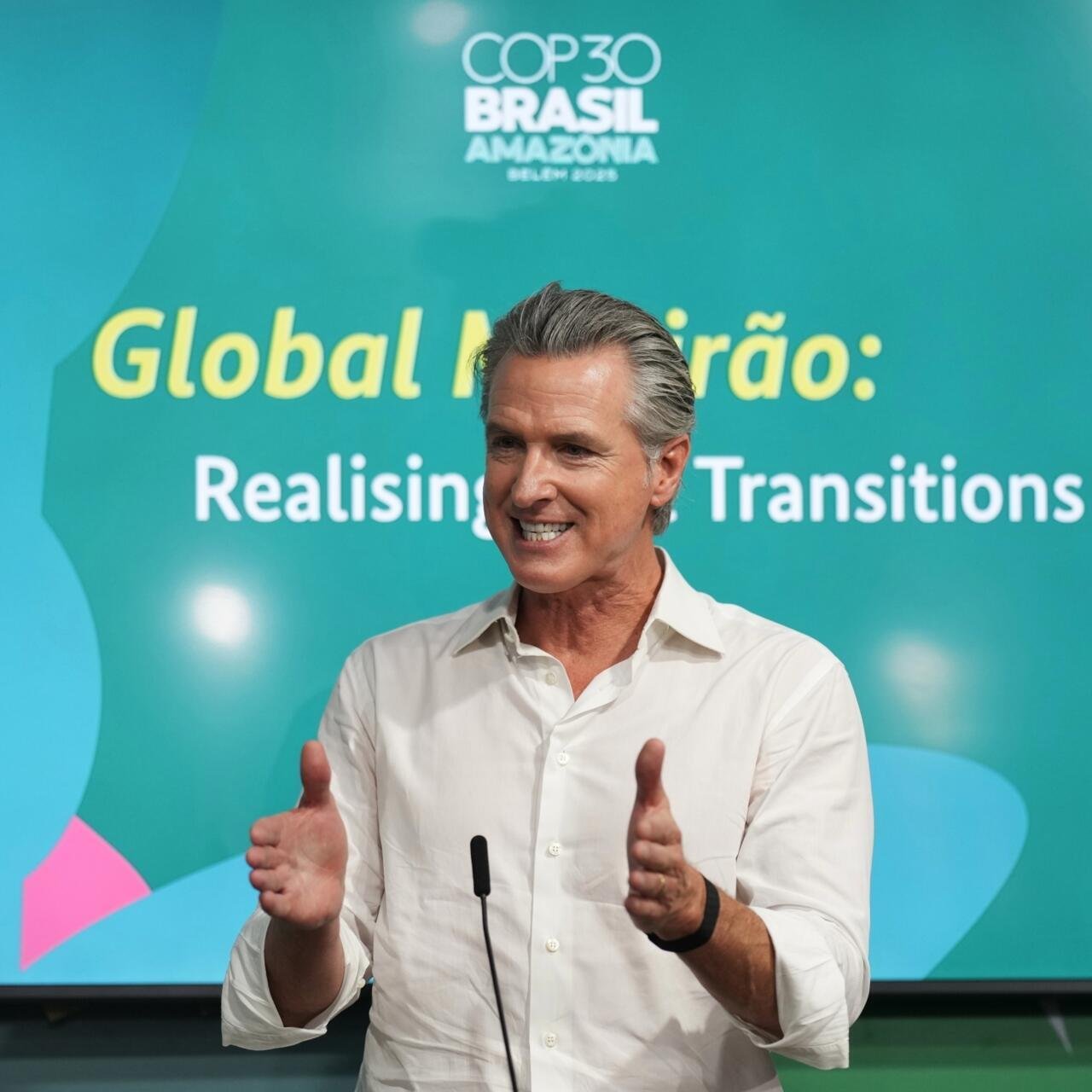
Donald Trump may have personally run exclusive clubs, but America, under his presidency, is dropping its membership in global clubs left and right. His administration recently severed our ties to the World Health Organization (WHO) and the United Nations High Commissioner for Refugees (UNHCR), as well as other organizations where countries collaborate on addressing borderless challenges and opportunities. In the last week, the Trump administration has been absent from the COP 30 Climate Summit in Brazil. It has no plans to attend the upcoming G-20 meetings in South Africa, which will bring together the world’s largest economies.
In this moment, as America retrenches from global leadership, cities and states need to step up and join as many multinational organizations as will have them. Whether staying in the Paris Agreement on climate or coordinating with global health organizations to head off the spread of bird flu, measles, and AIDS, subnational actors need to fill the vacuum Washington is creating. Moving fast and breaking things has consequences. READ MORE
Markos Kounalakis on WHY IS THE FORTHCOMING US PRESIDENTIAL ELECTION SO CRITICAL?

Markos Kounalakis, visiting fellow, Hoover Institution, Stanford University, at the 28th Annual Economist Government Roundtable #econroundtablegr
WHY IS THE FORTHCOMING US PRESIDENTIAL ELECTION SO CRITICAL?
• In which ways can the outcome affect Greece and the broader region? • Washington and the world: the new geopolitics of great power competition
Wess Mitchell
Former US assistant secretary of state for European and Eurasian affairs; principal, The Marathon Initiative
Markos Kounalakis
Visiting fellow, Hoover Institution, Stanford University
John Sitilides
Geopolitical strategist, Trilogy Advisors; Senior fellow for national security, Foreign Policy Research Institute; Fmr diplomacy consultant, U.S. Department of State (2006-23)
Dora Bakoyannis
MP, President of the standing committee on national defence and external affairs, Former minister of foreign affairs, Greece
The ‘Quad’ nations, including the U.S., play a high-stakes game with China
Cricket or baseball? Can these two bat-and-ball sports, and the nations that support them, find a common language and work toward common goals — not just in sport, but in loose alliance? Four countries that are big into cricket and baseball are also working together trying to keep the world safe for democracy.

India and Australia are cricket nations. Japan and the United States are all about baseball. Together, the four nations are known as the “Quad” — “Quadrilateral Strategic Dialogue” — and they are invested in securing the Indo-Pacific region. That’s the vast swath of land and sea from the Pacific Ocean to the Indian Ocean.
At the same time that the 60-game Major League Baseball season is in playoffs, high-level Quad political representatives met face-to-masked-face in Tokyo. Their goal? Figure out how to play ball together and keep China from winning the game of global competition. READ MORE
China, Russia aren’t putting plans to exploit Antarctica’s resources on ice
New York continues to slowly open up after being the nation’s hottest of COVID-19 hotspots while the incidence in Brazil spikes, and cases explode in Latin America and South Asia.
There is one place, however, that has been far from infections and safe from the need for serology testing: Antarctica. It’s not exactly a holiday destination, but this continent is sparsely inhabited, plays an important global research role and, so far, is safe from nearly every disease known to man. If the hot zone is where disease can break out, the frozen zone of the South Pole is where human disease rarely ventures.

Antarctica, however, also happens to be the least hospitable place on Earth. That doesn’t mean that adventurers, researchers and nations stay away. In fact, it is an attractive continent for explorers who care to trek on pristine ice. It’s also a perfect laboratory for investigating geologic history, climate change and whales, and for filming cute movies about penguins. READ MORE
Trump’s failed Latin American policy puts Florida in play in 2020
He does business here. He wants to move his permanent residence here. He even tried to bring the G-7 heads of state here. But it is also here, in Florida, where President Trump’s re-election bid faces the greatest danger.
Democrats who want to win the 2020 election would do well to focus their foreign-policy positions both on attacking Trump’s Latin American failures and building their own plans for a prosperous, peaceful and democratic future in this hemisphere.
Ignoring southern and Caribbean basin nations is both bad policy and bad politics. A geopolitically sensitive understanding of Latin America’s importance and opportunities could be key not only to strengthening U.S. foreign-policy interests and extending our values, but to winning Florida’s electoral votes. READ MORE
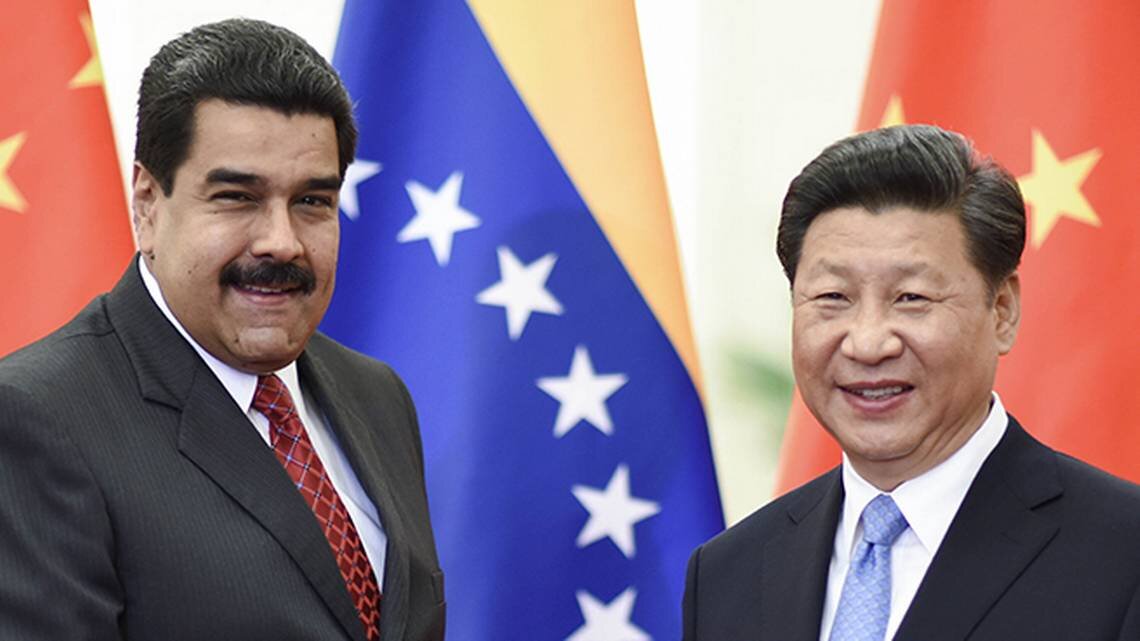
While the U.S. snoozes, Putin and Xi are having a bromance and flexing their global muscle
America is looking inward, resembling a sullen, sometimes confused navel-gazing couch-potato. It’s tired of going outside and bored with the world.
The president of the United States went to the United Nations this week to let foreign leaders know we were picking up our marbles and going home. He just told the entire world that globalism is dead. Long-live insular, parochial patriotism!

National pride, defense and attention to domestic issues are keenly important, of course. But America’s two wide oceans and friendly neighbors do not divorce us from the rest of the world’s trade, economy or politics, even if our national “Netflix and Chill ” attitude makes foreigners seem distant and irrelevant. READ MORE
Political power and electrical power are inextricably linked. Ask Arnold Schwarzenegger
Earlier this millennium, a series of power brownouts and blackouts in California led to the recall of a sitting governor and a special election for his replacement: Arnold Schwarzenegger. Argentina’s leadership is running for reelection this October, and if it can’t keep the lights on, it may not be welcomed back to power.

Around the world, from Argentina to Venezuela, Bulgaria to California, state and national governments need to deliver citizens electricity or face voter wrath. Argentina is now facing a political challenge more severe than the one in California a generation ago. Electrical blackouts just plunged the entire nation of 44 million people and some of its neighbors — Uruguay, Paraguay, Brazil and Chile — into the dark.
One of the most important functions of any modern government is to keep the juice flowing. Electrical power is the driver of modern society, keeping industry chugging along, hospitals working round the clock and refrigerators, air conditioners and computers whirring. In most modern societies, government runs, manages or regulates the power grid. That means that any failure, disruption or collapse of that grid reasonably is pinned on government leaders. READ MORE
The tension is high in Venezuela’s standoff, but no one can afford to shoot first
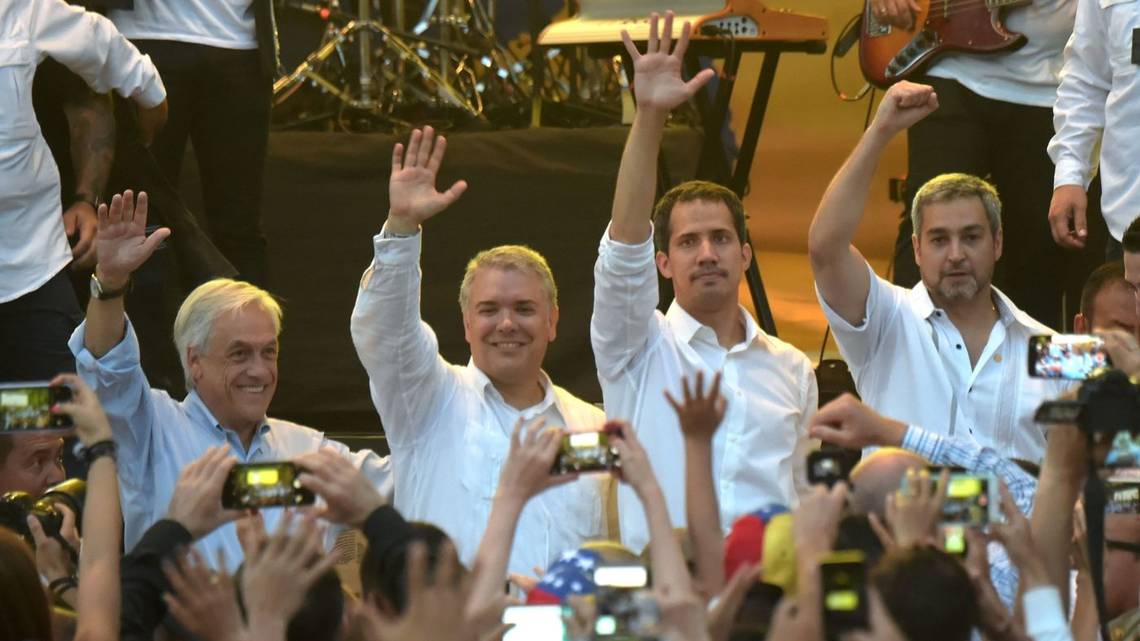
Venezuela’s Interim President Juan Guaidó and questionably-elected President Nicolás Maduro are gunning for each other, but with no intention to shoot. In Hollywood, this is called a “Mexican standoff.”
Guaidó is confronting the Maduro government with an army of motivated street protesters. Maduro has deployed a largely unmotivated Venezuelan army. Both leaders currently know that they need to refrain from using violence not only to save themselves, but also their country.
If logic and reason rule, then they will keep their powder dry, come to an accommodation, and peacefully solve the current crisis. Logic and reason, however, rarely rule in such high-stakes gamesmanship. READ MORE