Why Europe Needs Its Own Nuclear Deterrent
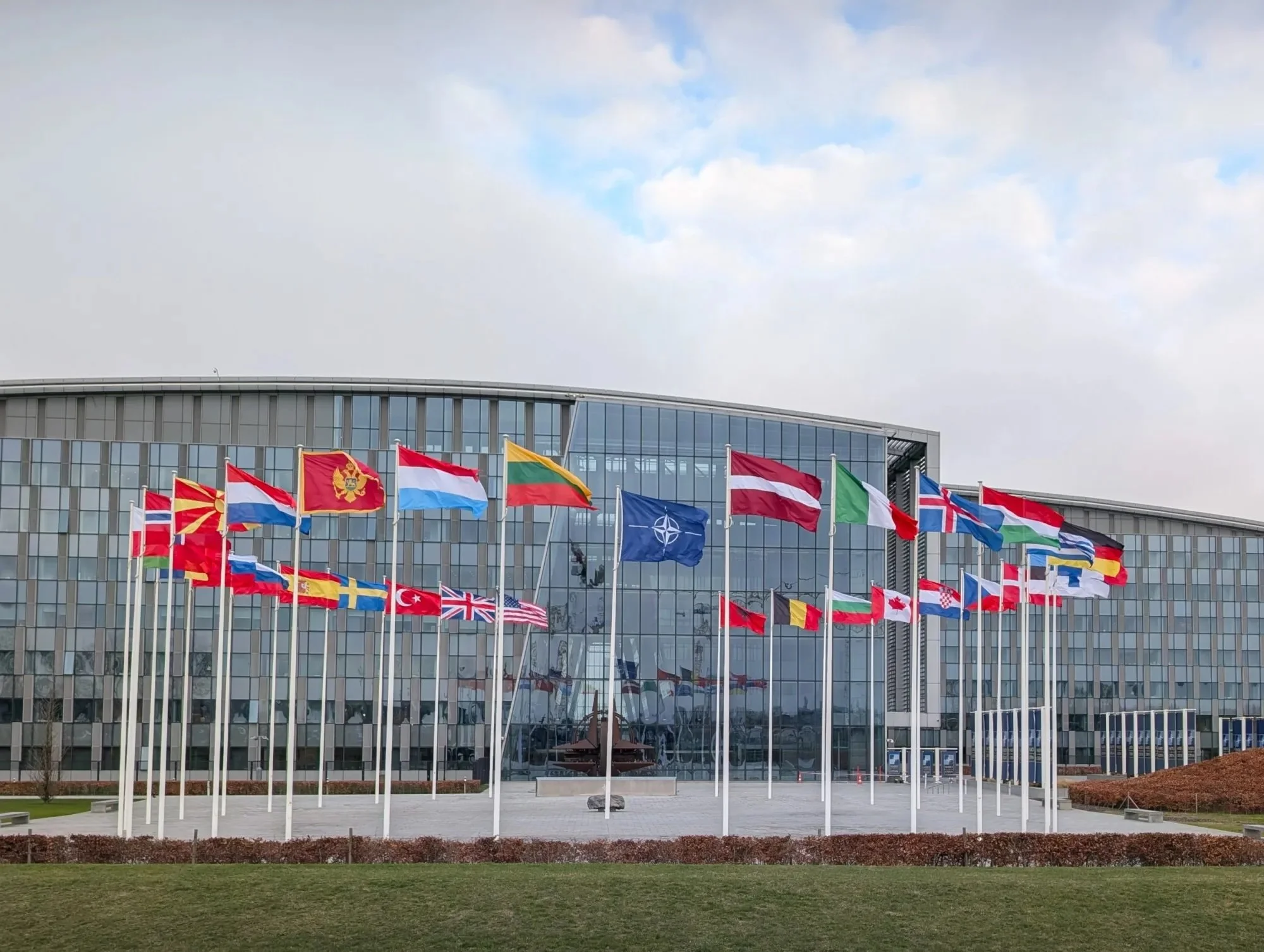
The Norwegian television series Okkupert (Occupied), also on Netflix, began with a chillingly plausible premise: a near-future Russia, with the tacit approval of the European Union, occupies Norway to seize control of its abundant North Sea oil and gas fields. (Norway, after being devastated by a hurricane attributed to global warming, elects a Green Party-ish prime minister who stops the Scandinavian country’s oil and gas production.) The drama was a meditation on sovereignty, appeasement, and the vulnerability of small nations amid resource-hungry giants. A decade ago, this was compelling fiction. Today, it reads like a prophecy laden with irony. The most explicit threat to Nordic territory comes not from Moscow’s revanchism, but from Washington’s transactionalism, with an American president coveting Greenland’s vast resources and vowing to obtain it.
Trump’s pressure to wrest this autonomous territory from Denmark underscores a terrifying truth: the foundational premise of the post-war order is dead, as Canadian Prime Minister Mark Carney eloquently made clear.) That the United States would protect the territorial integrity of its allies is no longer guaranteed. As my Hoover Institution colleague, the historian Timothy Garton-Ash, recently diagnosed our era with brutal clarity, “The West is history. Muscle up for a post-Western world of illiberal international disorder.” READ MORE
Ukraine’s fate could renew a race for weapons of mass destruction
Regret is what Ukrainian leaders must be feeling these days, as Russia amasses troops along the border. There’s nothing that says “keep your hands off my territory” like fully armed, nuclear-tipped weaponry — the sort that Kyiv surrendered shortly after the Soviet Union collapsed in 1991. Now officials have no nuclear option to deter an invasion.

The international community should be careful how it lets this play out. Nations that still have access to weapons of mass destruction will draw conclusions about whether to cling to those armaments at all costs. READ MORE
Star Wars and drone spies threaten America’s defenses
Star Wars’ newest episode “The Last Jedi” is hitting screens nationwide this week, but less entertaining is this season’s latest space weaponry and commercial drone deployments that increasingly threaten America’s national security.
Kim Jong Un may be planning to use his nuclear and missile technology not to land an explosion on U.S. soil, but to blast it in space. Such an explosion would trigger a high-altitude electromagnetic pulse (HEMP) that could cripple satellites and blind any nation that relies on orbiting communications for everything from airline navigation to financial transactions.

A HEMP strike would bring about a “doomsday scenario” and an act of war that kills no one directly but plunges everyone into the first stages of a technological dark age. An October 2017 congressional hearing on this threat brought testimony that a North Korean HEMP attack could “shut down the U.S. electric power grid for an indefinite period, leading to the death within a year of 90 percent of all Americans.” READ MORE
Nuke deals are for suckers
Nuke deals are all the rage these days. The United Nations sees nuclear accords as a path to world peace. President Barack Obama worked toward a “global zero” nuclear-free future.
President Trump, on the other hand, is highly skeptical of deals with Iran and North Korea because he understands what Tehran and Pyongyang leaders already know: Nuclear disarmament deals are for suckers.
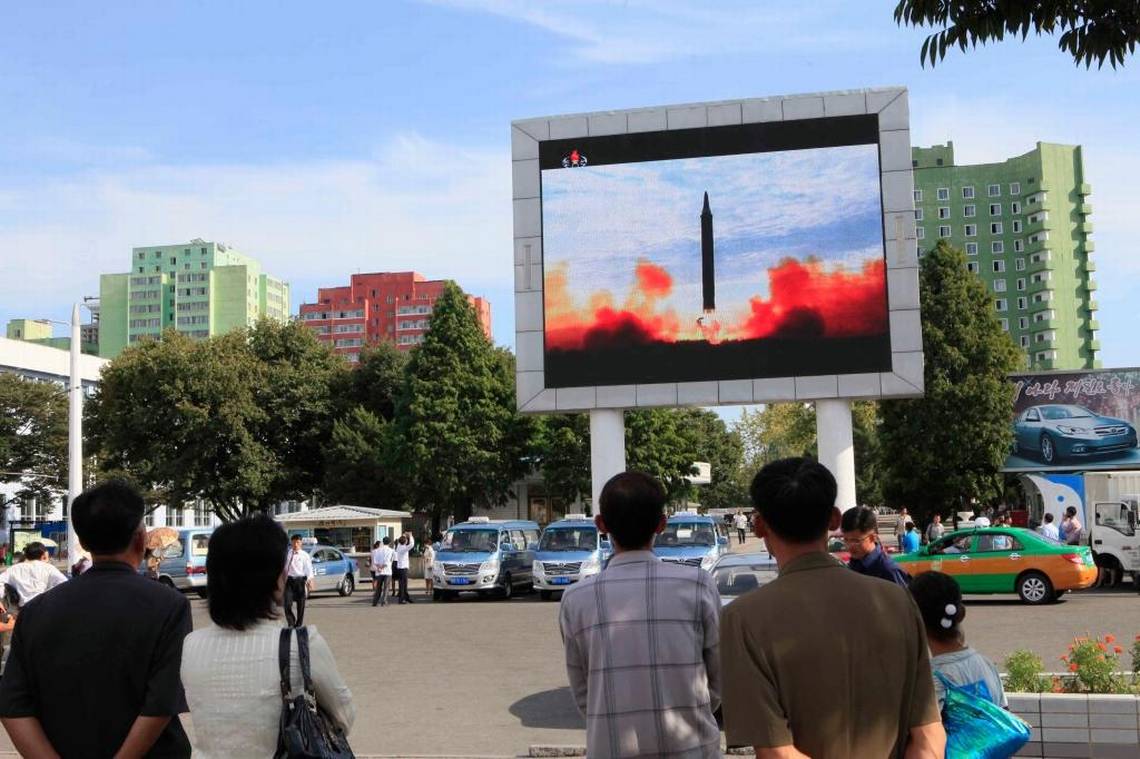
Countries generally balk at giving up their hard-won and expensive nuclear capabilities because nuclear weapons are a time-tested and reliable deterrent. Giving up these weapons requires faith that any agreement inked is rock solid and that the countries agreeing to unilateral nuclear disarmament are assured they will not wind up like Ukraine or Libya – invaded or overthrown.
Trump does not inspire this faith. Neither does he have faith that the other side will do as it’s told. READ MORE
Trump trash-talks his way into war
Sandbox politics is hard to watch, but easy to interpret. One side hurls an insult, the other responds louder and more offensively. The exchange ends with thrown sand or thrown fists. Bloody noses and bruised egos follow.
Ask any parent. Or Russian Foreign Minister Sergey Lavrov, who just called the President Trump-Kim Jong-Un war of words a “kindergarten fight.” No one wants to be lectured by Russians about civility, but the man has a point. The childish Trump-Un verbal showdown is frightening. It could lead to war.

The world may be beyond shock or outrage given last year’s rude and raucous presidential election. But every once in a while it’s worth stopping to ask how we got here and what it means.
POTUS is name-calling, potentially making a bad situation with North Korea worse. Un deserves every epithet flung his way, of course, but what’s unprecedented is the loud, public invective coming from the leader of the free world and commander-in-chief of the world’s greatest military force. READ MORE