Russia-Ukraine War Analysis - Spectrum 1 News

“Inside the Issues” host Amrit Singh is joined by Markos Kounalakis, a visiting fellow at Stanford University’s Hoover Institution, who reviews the latest developments in the Russia-Ukraine war.
Markos Kounalakis on WHY IS THE FORTHCOMING US PRESIDENTIAL ELECTION SO CRITICAL?

Markos Kounalakis, visiting fellow, Hoover Institution, Stanford University, at the 28th Annual Economist Government Roundtable #econroundtablegr
WHY IS THE FORTHCOMING US PRESIDENTIAL ELECTION SO CRITICAL?
• In which ways can the outcome affect Greece and the broader region? • Washington and the world: the new geopolitics of great power competition
Wess Mitchell
Former US assistant secretary of state for European and Eurasian affairs; principal, The Marathon Initiative
Markos Kounalakis
Visiting fellow, Hoover Institution, Stanford University
John Sitilides
Geopolitical strategist, Trilogy Advisors; Senior fellow for national security, Foreign Policy Research Institute; Fmr diplomacy consultant, U.S. Department of State (2006-23)
Dora Bakoyannis
MP, President of the standing committee on national defence and external affairs, Former minister of foreign affairs, Greece
California Sun: Markos Kounalakis on the Golden State’s global impact

Markos Kounalakis, a visiting fellow at Stanford University’s Hoover Institution and California’s “second gentleman,” married to Lieutenant Gov. Eleni Kounalakis, argued in a recent Washington Monthly piece that California, given its economic power and strategic location, is underrepresented in key U.S. Senate committees, including those on armed services, foreign relations, and intelligence. This limits the state’s contributions on crucial foreign policy decisions, particularly in the Indo-Pacific.
Link here for California Sun website and recording.
California’s Stifled Voice on Foreign Policy

California’s technological and demographic power is unmistakable, with one notable exception: We’re underrepresented in shaping foreign policy in Congress. That is bad for us and the country because California’s Pacific perspective, born of 840 miles of coastline and a wave of immigration from across the Pacific and around the Pacific rim, is crucial. Too often, D.C. policymakers overemphasize the importance of issues in Europe and the Middle East and frequently misunderstand or underappreciate threats and opportunities in the more distant Indo-Pacific. READ MORE
India - 2024 National Elections
"Inside the Issues" host Amrit Singh is joined by Markos Kounalakis, visiting fellow at Stanford University's Hoover Institution, who discusses the largest democratic election on Earth taking place in India this week.

Biden denounces Trump's NATO remarks, urges House GOP to pass Ukraine aid

On Tuesday, President Joe Biden called the former president’s comments regarding NATO “dangerous” and “un-American.”
“Inside the Issues” host Amrit Singh is joined by Stanford University’s Hoover Institution senior fellow Markos Kounalakis to discuss the latest Ukraine aid funding bill and Biden’s rebuke of Trump’s NATO remarks.
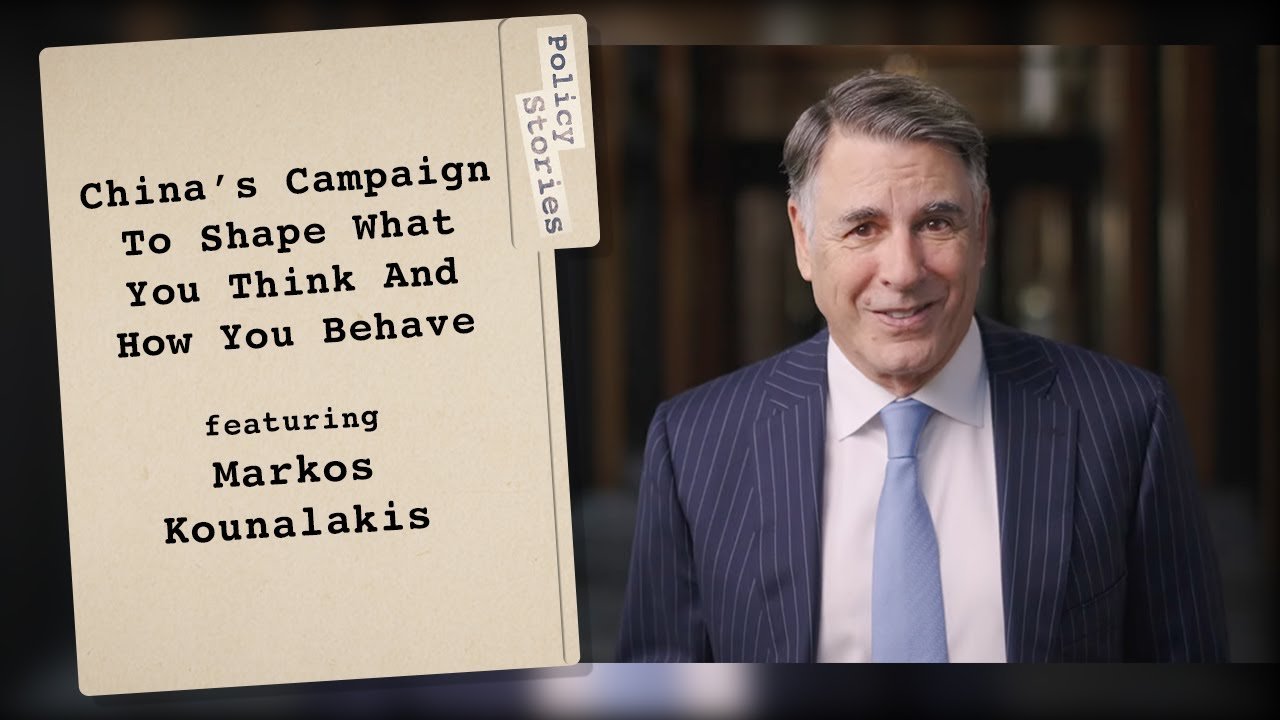
China's Campaign To Shape What You Think And How You Behave
Hoover Institution Fellow, Markos Kounalakis, exposes how China is aggressively expanding its state-controlled media operations worldwide to spread propaganda and undermine Western democracies. This information offensive fills the void left by declining Western news bureaus in places like Africa and Latin America, using reporters that also serve as spies. To counter this effort, the West must expose Chinese disinformation, rebuild local journalism, and raise public awareness of foreign influence. Be sure to visit The Hoover Institution at https://www.hoover.org/ and PolicyEd at https://www.policyed.org/
Ukraine War commentary on Spectrum News
Ukraine War Analysis on Spectrum News
“Inside the Issues” host Amrit Singh was joined by Markos Kounalakis, a visiting fellow at Stanford University’s Hoover Institution, to discuss the latest on the war in Ukraine. On Spectrum News 1, December 13, 2023.
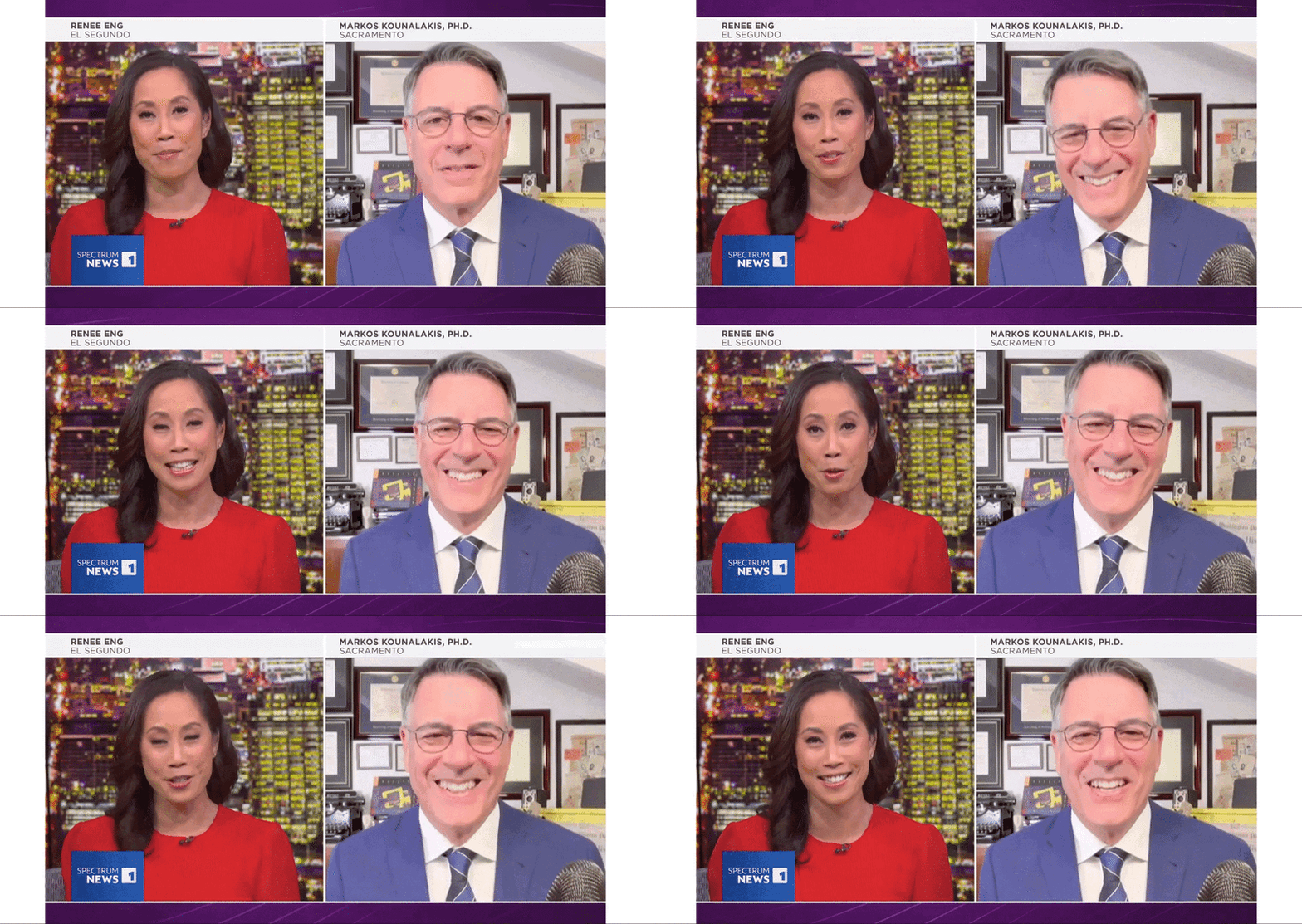
Spectrum News' Renee Eng speaks with Markos Kounalakis, visiting fellow at Stanford University’s Hoover Institution, to discuss the ongoing war in Ukraine. Live on Spectrum on November 7, 2023.
Ronald Reagan’s 11th Commandment and the Trump Era’s Republicans
Ronald Reagan was a complex character, worthy of deeper research, not offhanded calumny. His complexity was so great that even his widely acclaimed biographer, Edmund Morris, chose to depict him with a historical-novel approach incorporating fictional elements. It’s sometimes hard to discern what is real and what is Reagan.
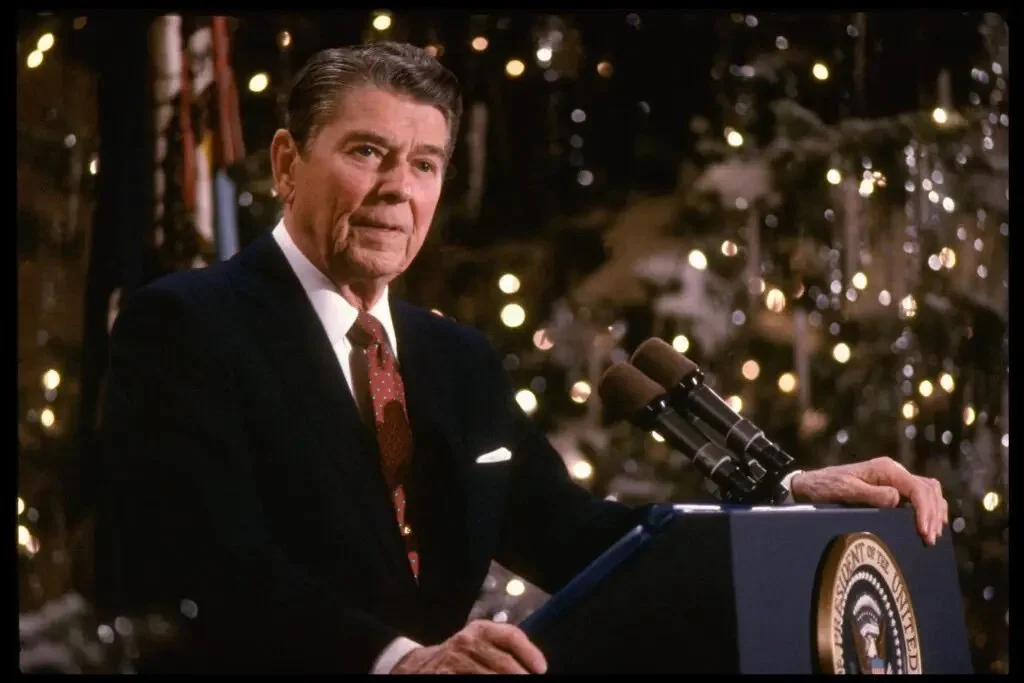
History has judged that Reagan — the man, not the myth — saved Social Security and helped to end the Cold War. He was the right man at the right time to prepare the United States geopolitically for its peace dividend and unipolar moment. In 2004, Ronald Reagan rode into the sunset but it was still “morning in America,” thanks to him.
National moods are subject to change. Shifting political tides can bring foul upwellings. The nation is now in a reflective, Afghan-loss, China-challenged, Ukraine war-induced and pandemic-polarized phase. At least one 2024 Republican presidential candidate says Reagan’s morning has turned to darkness. READ MORE
Jimmy Carter’s Last Triumph Could Be to Soothe U.S.-China Relations
Architects of peace leave legacies of honor and admiration. That’s why Jimmy Carter was awarded the Nobel Peace Prize in 2002.

Jimmy Carter meets Xi Jinping
Architects of global order also leave legacies. If there is one U.S. president besides Richard Nixon who remains admired in China today, it is Carter, who has now forsaken any more hospital admissions, preferring to live out the remainder of his days at his home in Plains, Georgia. His noble life, however, can create a new dawn for U.S.-China relations if Beijing prepares to honor Carter’s legacy and emulate the 39th president’s bold approach toward peace.
Blessed are the peacemakers, the children of God, who eventually calls on us all to leave this earthly paradise. Death is both unavoidable and unwelcome. It is uncomfortable to ponder or predict. The timing of a person’s passing should not forestall planning for death or be considered an affront to a magnificent legacy. Journalists pre-write obituaries. Monarchies prepare succession. States plan options and opportunities.
China should contemplate options to honor Jimmy Carter when he dies and, in the process, open today’s tightly shut door to dialogue with Washington. READ MORE
The U.S. Should Recognize Belarus’s Government in Exile
Vladimir Putin’s brutal war on Ukraine continues in the nation’s eastern Donbas region, threatening to spread south and west through Moldova into the pro-Russian breakaway state of Transnistria. Moscow’s forces are consolidating their military efforts along the Black Sea, with no credible peace talks on the horizon.
Amid this slog, Kyiv’s friends can do more than supply arms, intelligence, and prayers. America and her allies should open an aggressive diplomatic front on Russia’s isolated flank by recognizing a Belarus government in exile led by the dissident Svetlana Tikhanovskaya.

Challenging the legitimacy of Moscow’s client in Minsk will not only undermine the legitimacy of Russian troops occupying Belarus but will also buoy opponents of Putin’s ally, Alexander Lukashenko, who has allowed his nation to be drawn into the war on Ukraine. READ MORE
For Russia, It’s All About the Benjamins
Most Russians haven’t been affected by Western sanctions, but there’s one thing the U.S. Treasury can do to put real political pressure on Vladimir Putin—immediately stop circulating and honoring $100 bills in Russia.

Rather than investing in a retirement fund, ordinary and wealthy Russians alike protect their life savings by converting their rubles to dollars and stashing them at home. Russian ruble volatility and U.S. dollar security and stability have made American currency a preferred savings mechanism. For years, Russians’ bill of preference has been the $100. As of 2019, more than 661,500 pounds of $100 bills were in Russia—many of them stashed in lumpy mattresses and home-sewn money belts. That’s $31.5 billion. READ MORE
‘Navalny’ is a reminder of San Francisco’s outsized human rights role
Castro Street is the world’s most generous stage for the daily live performance of San Francisco free expression. It is where America’s gay rights movement found fertile ground and where people from across the USA can land and find a community that celebrates brave individuals who may elsewhere be oppressed.
For this reason, it was appropriately symbolic that the San Francisco premiere of the documentary “Navalny” was screened at the Castro Theatre as part of the S.F. International Film Festival. The film is about imprisoned Russian dissident Alexei Navalny and his struggle against the corrupt and criminal regime of Vladimir Putin.

Navalny’s daughter, Dasha, was at the Castro with the film producers to view and discuss the extraordinary and thriller-like documentary. The film follows Navalny’s activities, from his full-throated political opposition to his poisoning, and then, while recovering from the poisoning in Germany, his preparation to return and continue to fight for justice in Putin’s Russia — landing him again in prison. It is now viewable on CNN. Watch it! READ MORE
Putin’s War on Ukraine and the Perversion of the Letter “Z”
The Russian dictator has stripped Ukraine bare and stolen a symbol of freedom and hope.
The filmmaker Costa-Gavras immortalized the symbol Z as a protest cry for freedom and against military dictatorship and violence. His 1969 Oscar-winning movie of that name starkly dramatized the 1963 murder of the Greek opposition leader Grigoris Lambrakis by right-wing extremists.
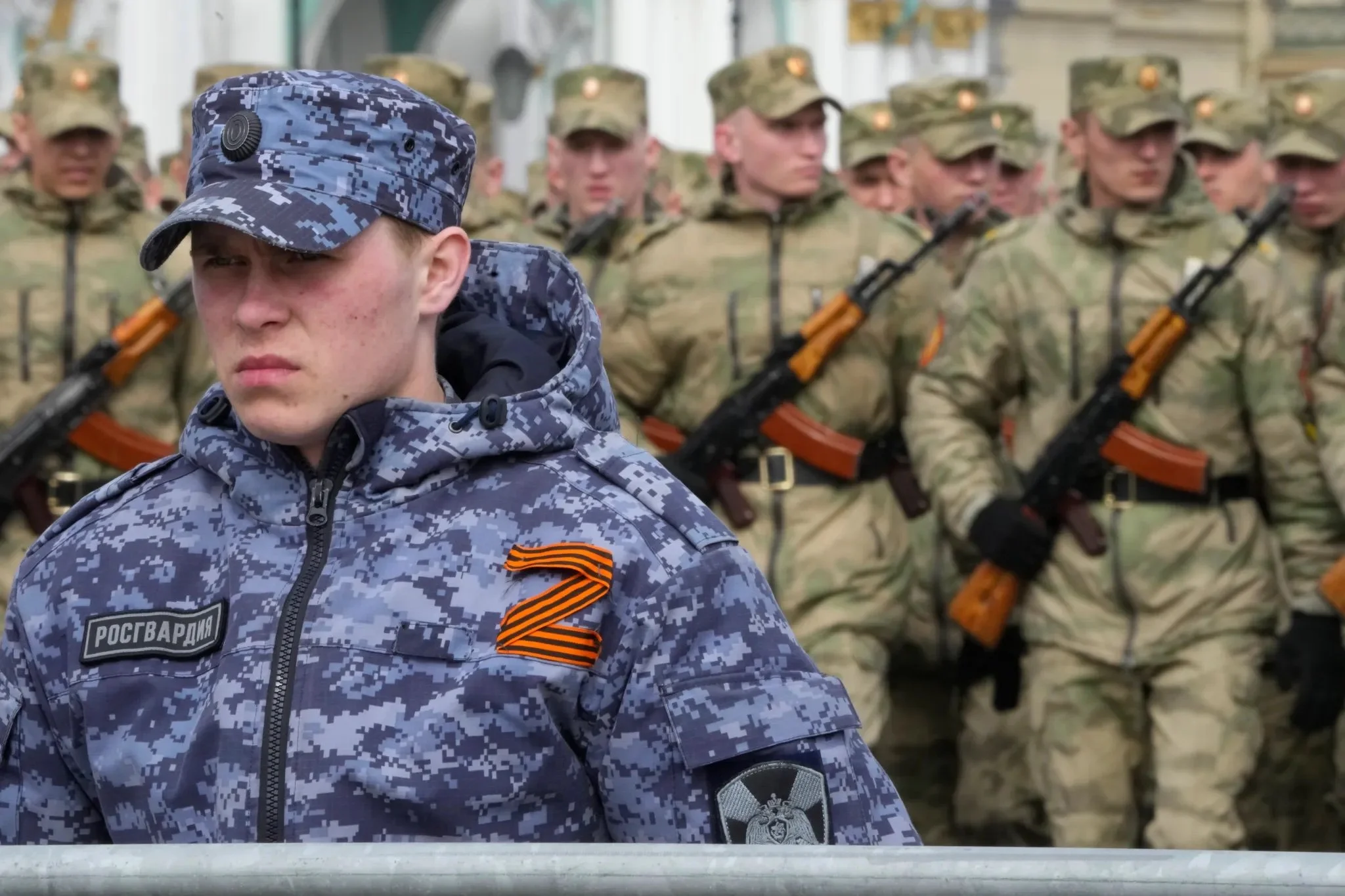
Protests against both Lambrakis’s murder and the sham trial that followed crystallized in the form of a letter: Z. Athenian buildings were spray-painted with Z graffiti; illegal gatherings throughout Greece were punctuated by loud cries of “Z!” When pronounced as zée, the letter in Greek means “He lives.” “Z!” was a raised fist of rebellion, and it also meant “Hope lives.”
No more.
In Vladimir Putin’s Russia, with its perverse up-is-downism, the letter Z has been appropriated to represent ethnonationalist militarism, death, and destruction. READ MORE

Markos on The Jim Bohannon Show
Belarus is not a passive actor in the War on Ukraine - it is an accomplice.
The country is also a Russian vassal state.
Listen to Markos talk about Belarus, Russia, Ukraine and more during his one hour interview with Jim Bohannon's 4/1/22 show.