
From Ukraine to Venezuela, people are fleeing their homes and becoming weaponized refugees
Refugees are daily streaming over borders to neighboring countries and adding to what is already the world’s largest refugee crisis. The country they are fleeing is embattled, violent and experiencing extreme shortages of medicine and food.
This is not Ukraine. It is Venezuela.
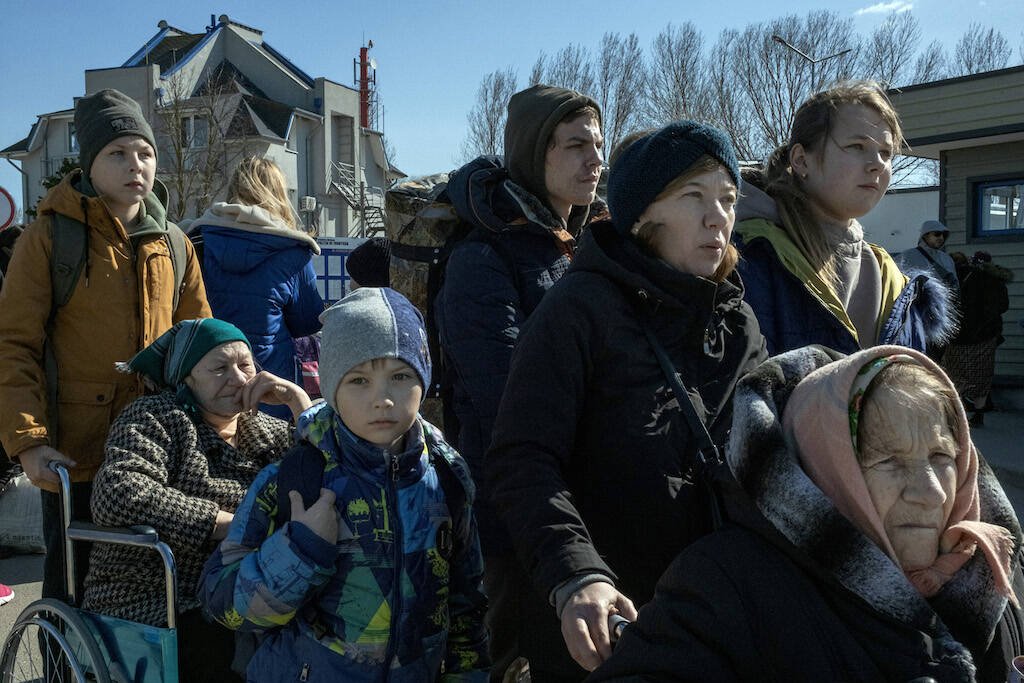
While Ukraine is undergoing invasion, Venezuela continues to suffer erosion. In both cases, people seeking survival are fleeing these two countries. In Europe, they are escaping armed invaders and rocket attacks; in Latin America, they are rushing from societal collapse. READ MORE
What Zelensky means for world democracy
Ukrainian President Volodymyr Zelensky came to America a few months back to cajole and plead for support — both military and political. He saw the storm coming. It is now a Putin-driven hailstorm of rockets and bullets raining down on cities and civilians. Urban residents have gone from sheltering-in-place against COVID to picking up arms to fight in the streets. Europe is again embroiled in a war that will not end all wars.
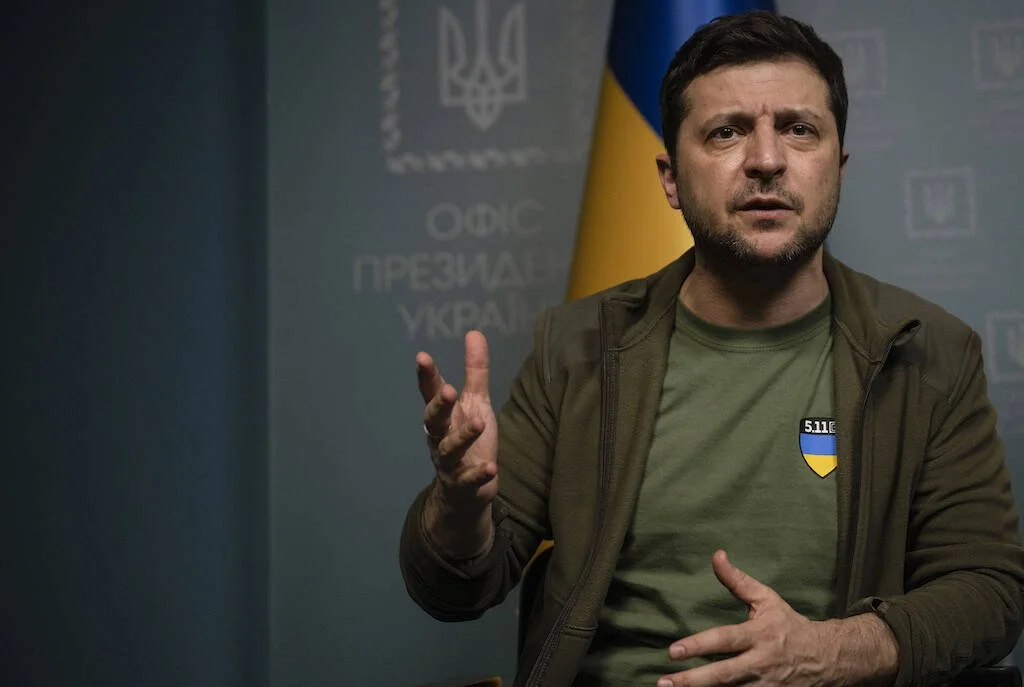
San Francisco feels a million miles away from today’s shooting and mayhem. Yet when Zelensky came to visit President Biden in September, he made a pilgrimage to America’s largest Ukrainian community: California. He gave a critical speech warning of Russia’s intentions at Stanford’s FSI center, the academic home of Mike McFaul, the former U.S. ambassador to Russia. READ MORE
Meet Vladimir Putin’s Biggest Accomplice in His War on Ukraine
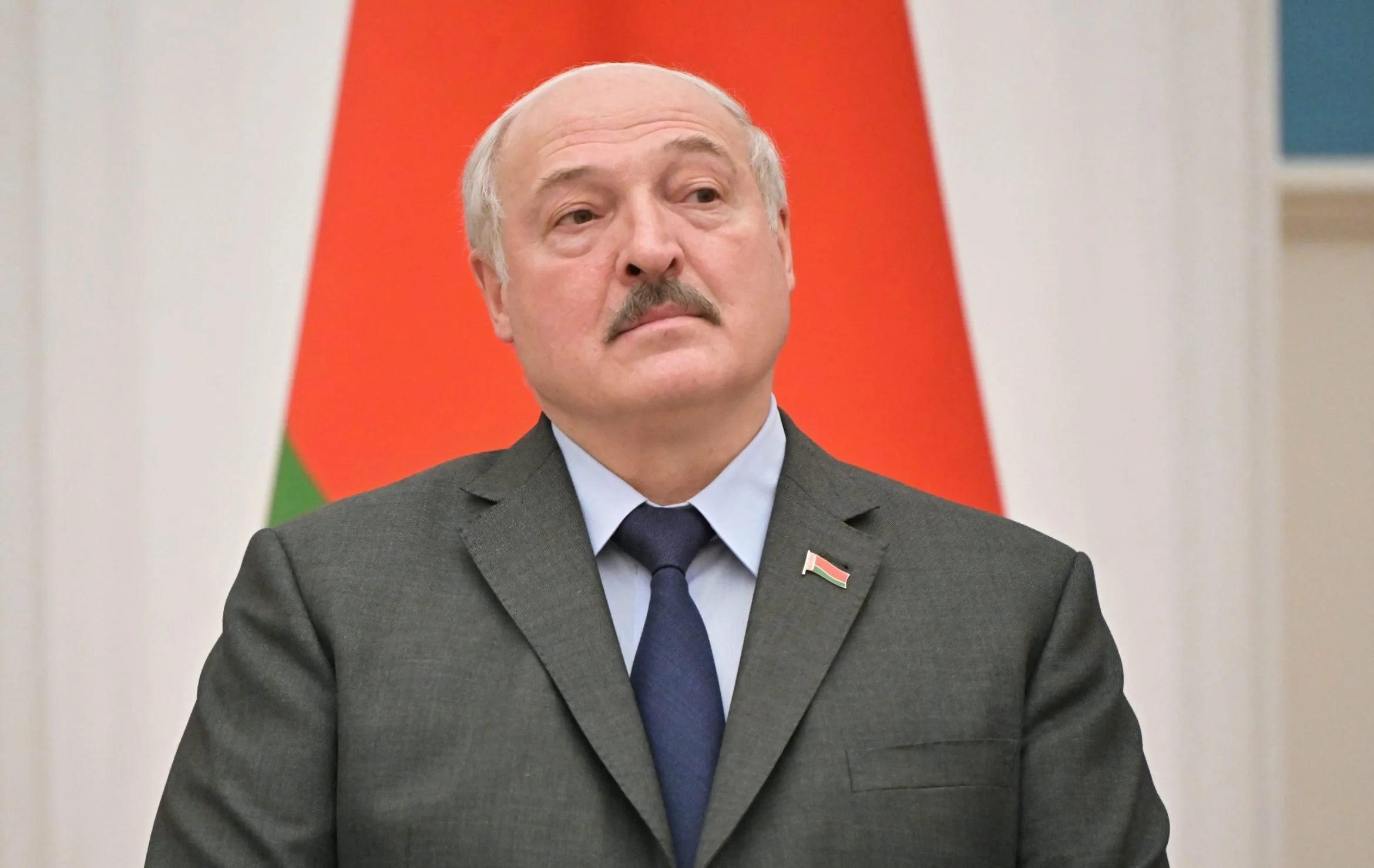
Belarus’s dictator, Alexander Lukashenko, has turned his country into a Russian vassal state. It didn’t have to be this way.
Vladimir Putin’s invasion of Ukraine is criminal on multiple counts, but some of them should be leveled at one of his main accomplices: Belarus’s dictator, Alexander Lukashenko.
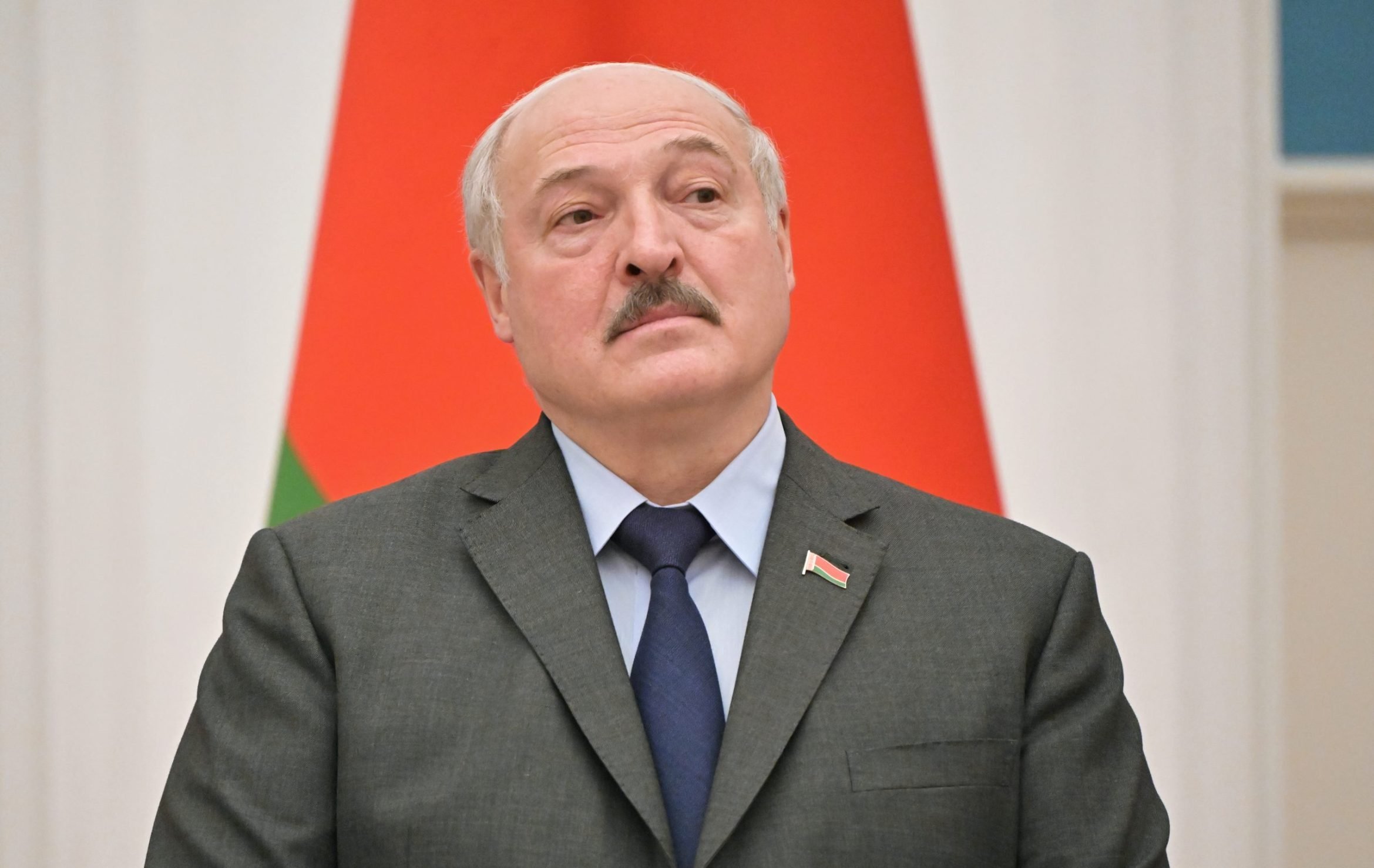
Image: Belarusian President Alexander Lukashenko speaks during a joint press conference with Russian President Vladimir Putin following their meeting, in Moscow, Russia on February 18, 2022. (Sergey Guneev / Sputnik via AP)
Russia’s military is executing an unprovoked and unprecedented attack on a peaceful neighbor on many fronts, from the air and sea. The land war, however, would not be as effective or lethal were it not for Lukashenko providing a front along Belarus’s southern border, not far from Ukraine’s capital, Kyiv.
Indeed, Ukraine President Volodymyr Zelensky put it bluntly—Belarus is “not neutral,” he said—when weighing potential negotiations in the country’s capital, Minsk. “Warsaw, Bratislava, Budapest, Istanbul, Baku—we proposed all that to the Russian side,” he said. “Any other city would work for us, too, in a country from whose territory rockets are not being fired.” Belarus is, in fact, far from neutral. It is complicit with the Russian attacks, and Zelensky has reckoned that any negotiations on its land would be on enemy territory.
Ukraine’s fate could renew a race for weapons of mass destruction
Regret is what Ukrainian leaders must be feeling these days, as Russia amasses troops along the border. There’s nothing that says “keep your hands off my territory” like fully armed, nuclear-tipped weaponry — the sort that Kyiv surrendered shortly after the Soviet Union collapsed in 1991. Now officials have no nuclear option to deter an invasion.

The international community should be careful how it lets this play out. Nations that still have access to weapons of mass destruction will draw conclusions about whether to cling to those armaments at all costs. READ MORE
MLB's All-Star Game can save Taiwan
Major League Baseball just missed a great opportunity to seed new markets, build its brand and address growing anti-Asian sentiment in the United States. Instead of moving its all-star game from Georgia to Colorado, it should have taken this summer’s game farther afield to a surprising new venue: Taiwan. READ MORE

Our freedoms come at a cost, one that Americans still are willing to pay
Elections are really complex accounting practices. It’s not just a final vote count that is fraught and difficult. Citizens going to the polls must consciously make multiple personal calculations: Will taxes rise? How much should individuals pay for healthcare? Must we spend heavily on defense?
In America’s democracy, we also reckon — often unconsciously — what we are willing to pay for our fundamental liberties. What is the price of freedom? It seems like a straightforward question. The answer, however, is anything but simple.

The desire for freedom has deep historical roots. Philosophers have forever talked about free will and the nature of liberty. In the modern era, American colonists fought a revolution to be free from oppressive “taxation without representation” levied by the British crown. READ MORE
“A Christmas Carol” — Courtesy of the Chinese Navy
What happens when China decides to dominate the world’s semiconductor chip production by taking over democratic Taiwan? A look at the not-so-distant Christmas-future…

Christmas Eve, 2020—President Trump is still loudly contesting the November election results in courtrooms and the media. The Electoral College chose Biden-Harris after several red-state electors defected, justified by an overwhelming national popular vote for the Democratic ticket.
The newly elected Democratic Senate is days from taking over, and Mitch McConnell is rushing through last-minute judicial appointments. McConnell is also busy finalizing legislation giving the Executive sweeping policing powers in the face of daily national demonstrations protesting the election outcome. Growing street confrontations are cited as the reason the outgoing president deployed the National Guard to major cities nationwide. READ MORE
Where in the world would Trump go if he lost and left the country? He’s got options
Losing an election can be tough. President Trump has publicly mused that being defeated could be so devastating it could cause him to leave the country.
Anyone who was conscious in 2016, however, will know that election predictions and polling numbers are not the same as Electoral College outcomes. Anything can happen. In short, Trump will not be calling a travel agent anytime soon.
If, however, Joe Biden does become the 46th president of the United States and Trump starts seriously thinking about self-imposed exile, where might he go?

The possibilities are endless. But desirable destinations are few and far between. As he looks at the map and tries to find a place to land, he might want to see where other fallen leaders have trod.
Some of his contemporary foreign colleagues struggle to hold onto power, many have planned an emergency exit strategy and keep an eye on the door — just in case they suddenly need to skedaddle. READ MORE
Kamala Harris’ cultural background will make her a player on the global stage
California is waiting to be welcomed back into the national conversation after four years of disrespect and neglect from the White House. In a Joe Biden-Kamala Harris administration, not only will California’s favorite daughter bridge the widened — and widening — federal-state divide, she will team with a President Biden to rebuild America’s powerful role in the world.

In fact, Harris could be key to building new strategic global relationships and alliances. (Disclosure: My wife and I are Harris’ longtime friends.) While Biden shores up NATO, reaffirms multilateral agreements and Zoom calls his close foreign-leader friends, Harris will also bring unique foreign-policy advantage to the table. READ MORE
The ‘Quad’ nations, including the U.S., play a high-stakes game with China
Cricket or baseball? Can these two bat-and-ball sports, and the nations that support them, find a common language and work toward common goals — not just in sport, but in loose alliance? Four countries that are big into cricket and baseball are also working together trying to keep the world safe for democracy.

India and Australia are cricket nations. Japan and the United States are all about baseball. Together, the four nations are known as the “Quad” — “Quadrilateral Strategic Dialogue” — and they are invested in securing the Indo-Pacific region. That’s the vast swath of land and sea from the Pacific Ocean to the Indian Ocean.
At the same time that the 60-game Major League Baseball season is in playoffs, high-level Quad political representatives met face-to-masked-face in Tokyo. Their goal? Figure out how to play ball together and keep China from winning the game of global competition. READ MORE
Candidates can’t forget that international tensions come to roost in the U.S., too
The presidential debate Tuesday devolved into a political food fight, where assaulting speech became a verbal pie in the public’s face. Lost in the noise was any calm substance or serious questions about foreign policy.
The 21st century debate now produces more heat than light. These exercises allow candidates to target a sliver of Americans in a handful of states who somehow remain undecided. More important, they aim to excite and motivate the majority of already decided voters to go mark their ballots.

Debates are not ideological jousts about America’s role in the world. They are mostly focused on domestic challenges. The new twist in 2020? An incumbent president unbecomingly used the platform to launch wild attacks on his opponent instead of telling, for example, Russia’s Vladimir Putin to stuff it. READ MORE
Trump scapegoats China, but banks and businesses operating there are the real thieves
China was America’s whipping boy again this week. President Donald Trump used his United Nations General Assembly speech to accuse and to threaten Beijing for its role in covering up the early stages of the pandemic. He said that the U.N. “must hold China accountable for their actions.”
In other words, China must pay. Tough words with the promise of an even tougher response.

But rhetoric is where the toughness ends because China continues to profit from Washington’s indifference, political ineptitude and irresponsible policies. In reality, American farmers, consumers and middle-class citizens are paying the heftiest price for China’s misbehavior, rights abuses, cyber-espionage and intellectual-property theft. READ MORE
In Iran and Egypt, the pursuit of happiness is almost criminal
John Lewis was recently laid to rest and as his coffin was being walked out of Atlanta’s Ebenezer Baptist Church, everyone in the pews was asked to dance to Lewis’s favorite Pharrell Williams song, “Happy.” Solemnity mixed with sheer joy that day to span the spectrum of Lewis’s life — from struggle to song.
Congressman Lewis loved this song and it showed. A video of him dancing to the tune went globally viral a few years ago. Around the same time that Lewis’s video was circulating, Iranian citizens were being arrested and jailed for doing the same thing: Dancing freely and joyously to that positively infectious hit song.
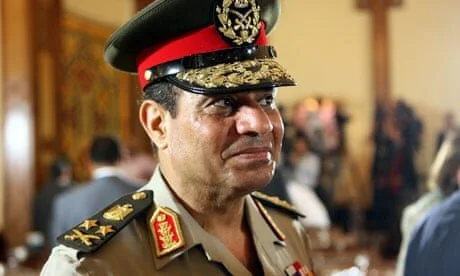
Iran, and recently Egypt, has cracked down on the expression of creative personal freedom. These thinly legitimated dictatorships have made it a point to be big-time party poopers.
Why is America shielding foreign terrorists from the death penalty?
Bill Barr is killing Americans but sparing terrorists.
In July, the U.S. attorney general directed his Department of Justice to resume the death penalty. Since his directive this summer, he’s used lethal injection to kill five federal Death Row inmates.

Barr executed five murderers, rapists and torturers of children and the elderly. Men who inflicted unimaginable pain and suffering on their victims and surviving families. Barr unapologetically resumed capital punishment after a two-decade hiatus, “bringing justice to the most horrific crimes.” Barr’s tough on crime.
Unless, of course, he’s not… READ MORE
Bad-boy foreign leaders shouldn’t underestimate Trump’s appetite for election-year drama
Turkey, Russia and China are just three countries taking advantage of the moment to act aggressively around the world and test American resolve. All three are betting that the United States is too mired in crisis to react powerfully to strategic challenges overseas. All three might be making a miscalculation.
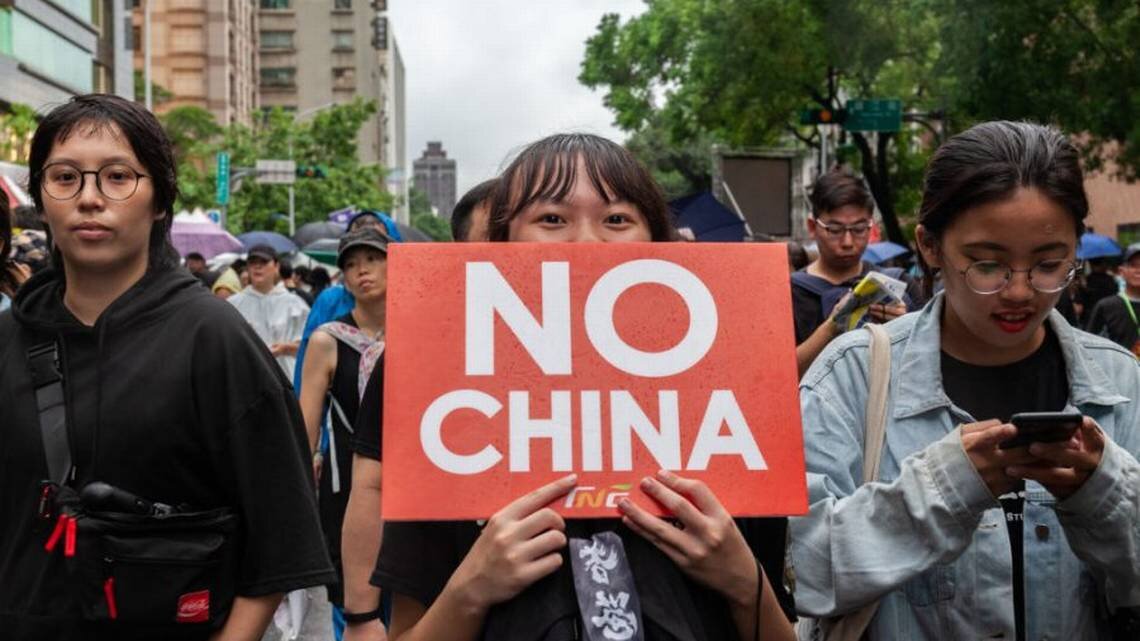
Turkey is threatening its neighbors and claiming new maritime borders; Russia is poisoning its opposition and posturing around Belarus; and China continues to build up its defense forces while cracking down on dissent at home and abroad. It’s all a potently toxic brew of hyper-national ambitions heartily guzzled by Presidents Recep Tayyip Erdoğan, Vladimir Putin and Xi Jinping.
They are drunk with the idea that right now is their time to act aggressively because America can’t or won’t seriously engage to stop them. If they’re right and can achieve their goals because America continues to stand on the sidelines, they win their bet without paying a hefty price. READ MORE