As Washington Falters, California Leads the Way on Scientific Research
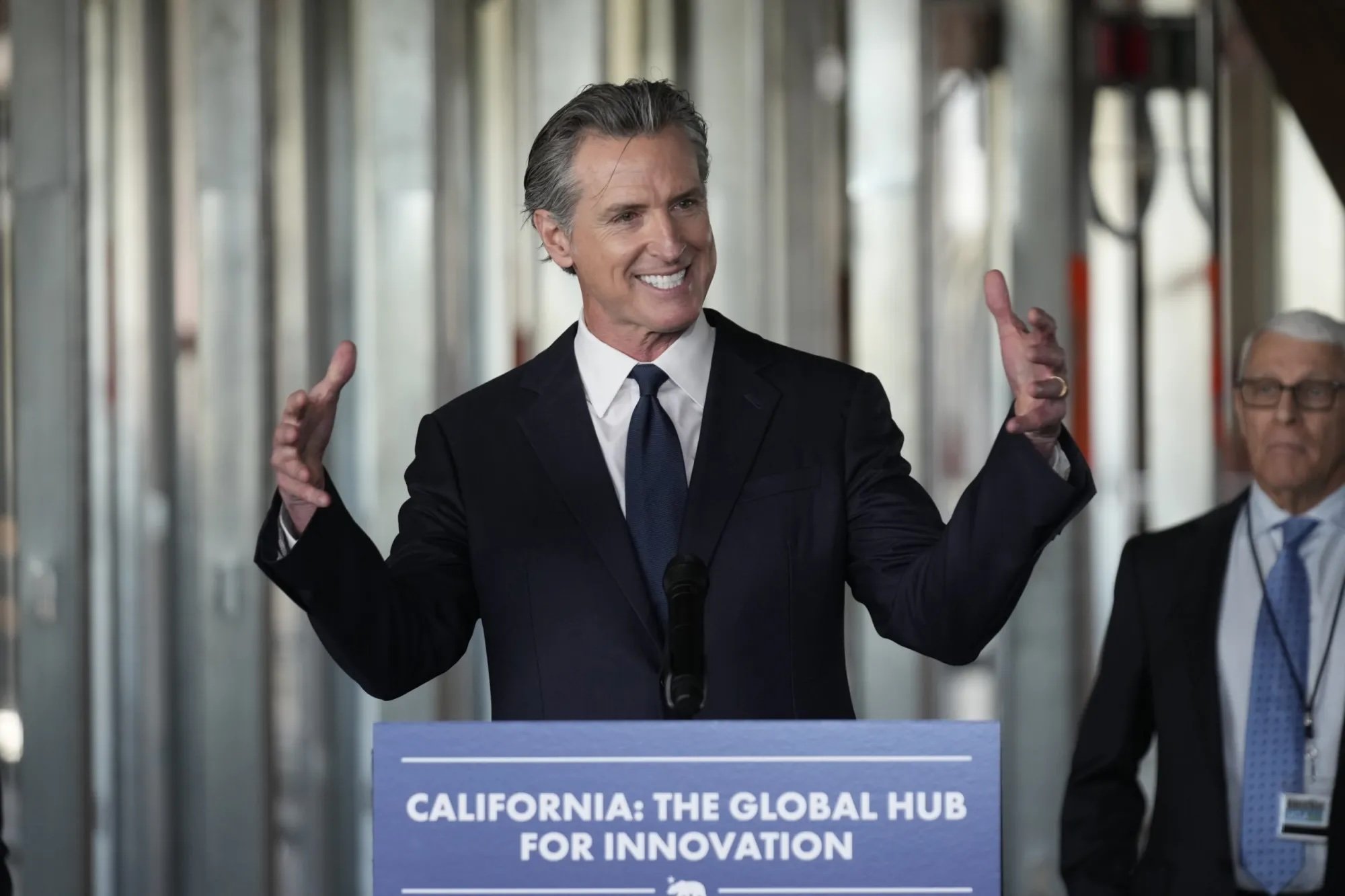
The government and its people are bound by a compact: Citizens finance their government, delegate it life-and-death powers, and expect security. This is not just a military or police matter; it also concerns protecting public health through vaccines, food inspection, and cutting-edge scientific research. In recent decades, however, Washington has frequently abdicated this core responsibility, paralyzed by ideology or incompetence, leaving a vacuum. Invariably, California steps in to fill it.
This is not a story of partisanship or the most populous state using its clout. It is pragmatic self-preservation and strategic foresight. When Washington falters, California—leveraging its economic might, its world-class institutions, and its people—acts as a de facto nation-state to safeguard its future and the rest of the nation’s, whether through auto emissions or food safety. This trend reveals a critical shift in the American federalist system, where a single state has become an essential backstop for national progress. At the time of the Republic’s founding, the population difference between the most and least populous states was 10 to 1. Now it’s over 70-to-1. READ MORE
Venezuela and the Dawn of the Don-roe Doctrine
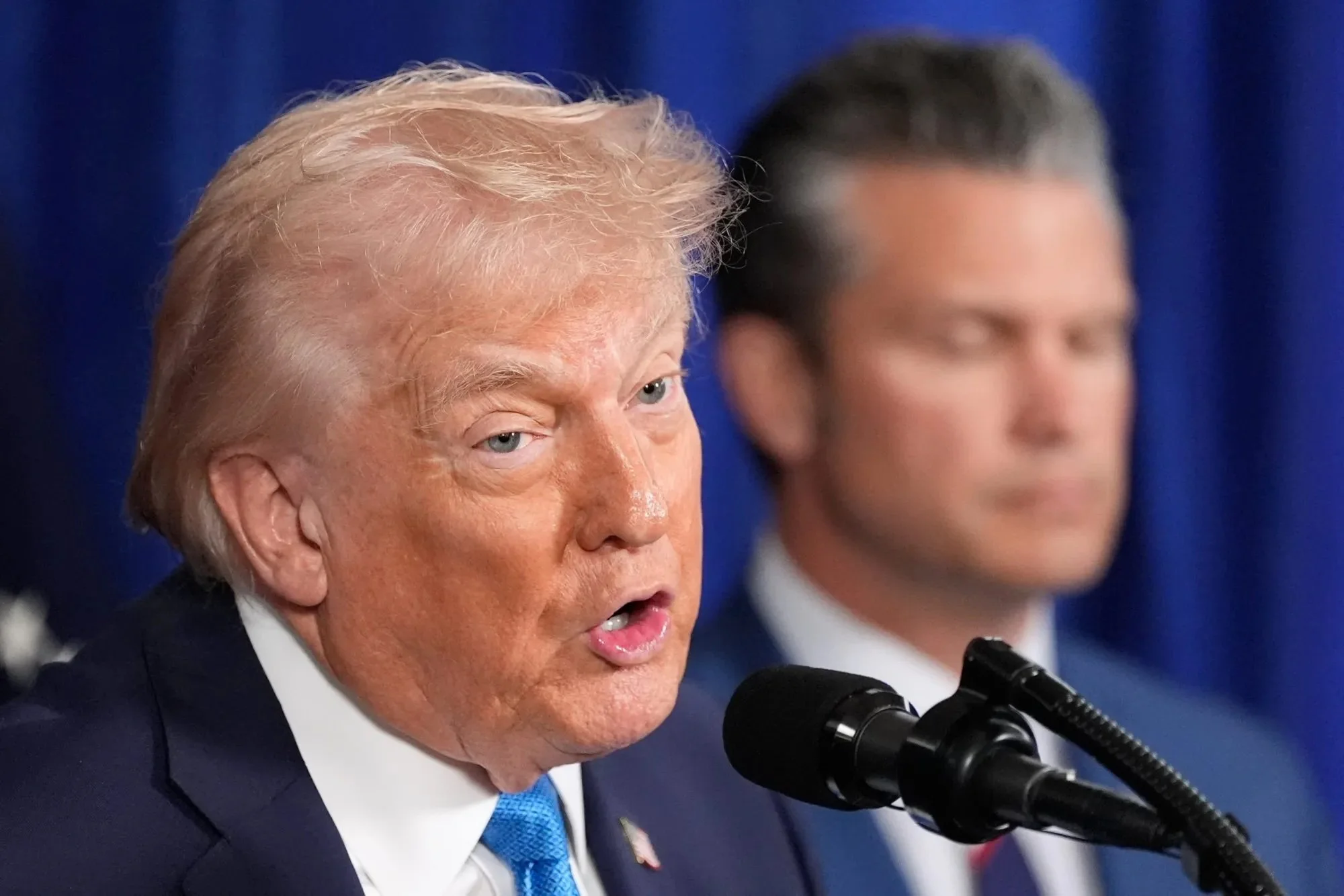
Nicolás Maduro is in American custody. With that simple fact, the Western Hemisphere’s geopolitical landscape has irrevocably shifted. The United States has crossed a threshold, trading years of sanctions and diplomatic pressure for swift, decisive military action. This is a historic pivot, a moment that will be studied for decades, not only for its impact on Venezuela but for what it signals about the future of American power in its hemisphere.
In a recent conversation, my friend, Leopoldo López, the Venezuelan opposition leader in exile, cut straight to the core of this complex reality. He reinforced the U.S. administration’s framing of the operation: this was not a war against a nation, but a judicial action against a “criminal” who had held 30 million people hostage. It is a critical distinction, one that seeks to legitimize an otherwise fraught intervention. READ MORE
NATO’s Myopic Accounting Ignores Maritime Superpower Greece
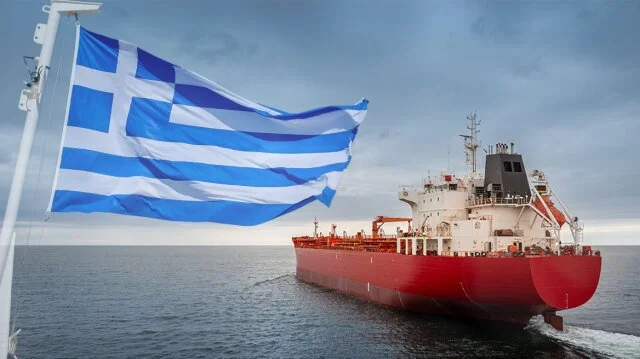
America just skipped December’s NATO foreign ministers’ meeting. That’s a first in over two decades. Part of the reason is the alliance’s irrelevance to President Donald Trump’s personalized, high-stakes peace negotiation to end the Russia-Ukraine war. Another is likely the administration’s weariness over Europe’s anemic defense spending. The alliance’s current 2 percent of GDP benchmark has long been a source of transatlantic friction. It is also a dangerously simplistic metric that measures inputs, not outputs.
The benchmark quantifies treasure, not strategic capability, and overlooks one of the most critical (and undervalued) contributions allies can make: maritime power—specifically, commercial sealift capacity. There is a solution. READ MORE
Five Eyes Become Three Blind Mice

George P. Shultz, the late Secretary of State, regularly reminded me and my Hoover Institution colleagues that in diplomacy, “trust is the coin of the realm.” Trust is even more critical in intelligence sharing. Without it, even the most sophisticated satellites, signals intercepts, and cyber tools are just expensive toys.
For decades, the Five Eyes alliance—the United States, the United Kingdom, Canada, Australia, and New Zealand—has relied on trust as its currency across oceans and governments. Born of World War II code-breaking cooperation and formalized in the UKUSA Agreement of 1946, the network of English-speaking nations and bilingual Canada became the world’s most durable intelligence partnership, fusing shared values with shared secrets. But the trust account now looks overdrawn on our side of the ledger. The shortfall isn’t just an accounting technicality—it threatens the alliance’s utility and credibility. READ MORE
Make California a G7 Member
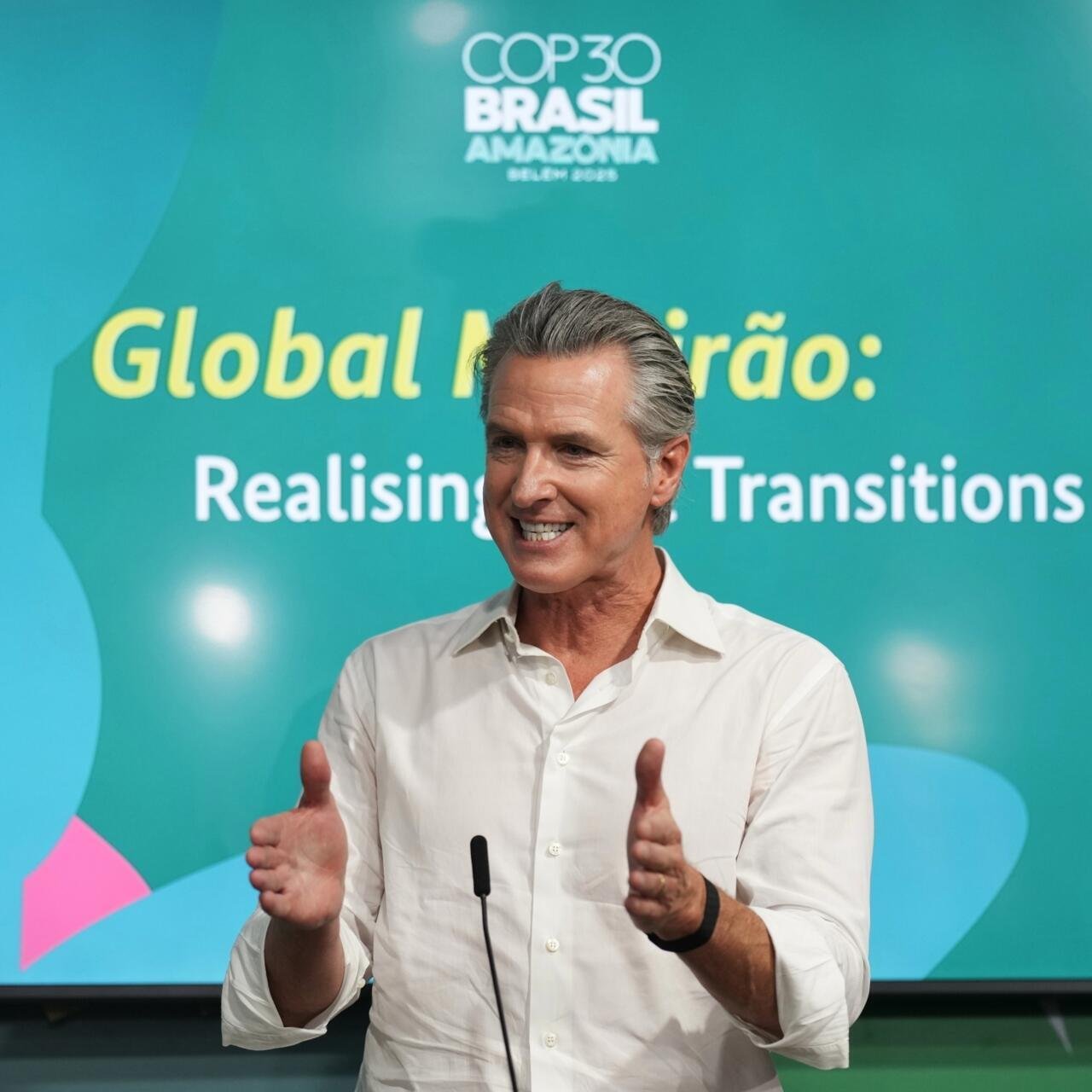
Donald Trump may have personally run exclusive clubs, but America, under his presidency, is dropping its membership in global clubs left and right. His administration recently severed our ties to the World Health Organization (WHO) and the United Nations High Commissioner for Refugees (UNHCR), as well as other organizations where countries collaborate on addressing borderless challenges and opportunities. In the last week, the Trump administration has been absent from the COP 30 Climate Summit in Brazil. It has no plans to attend the upcoming G-20 meetings in South Africa, which will bring together the world’s largest economies.
In this moment, as America retrenches from global leadership, cities and states need to step up and join as many multinational organizations as will have them. Whether staying in the Paris Agreement on climate or coordinating with global health organizations to head off the spread of bird flu, measles, and AIDS, subnational actors need to fill the vacuum Washington is creating. Moving fast and breaking things has consequences. READ MORE
H-1B fee kills two birds — and America's golden goose – with one stone
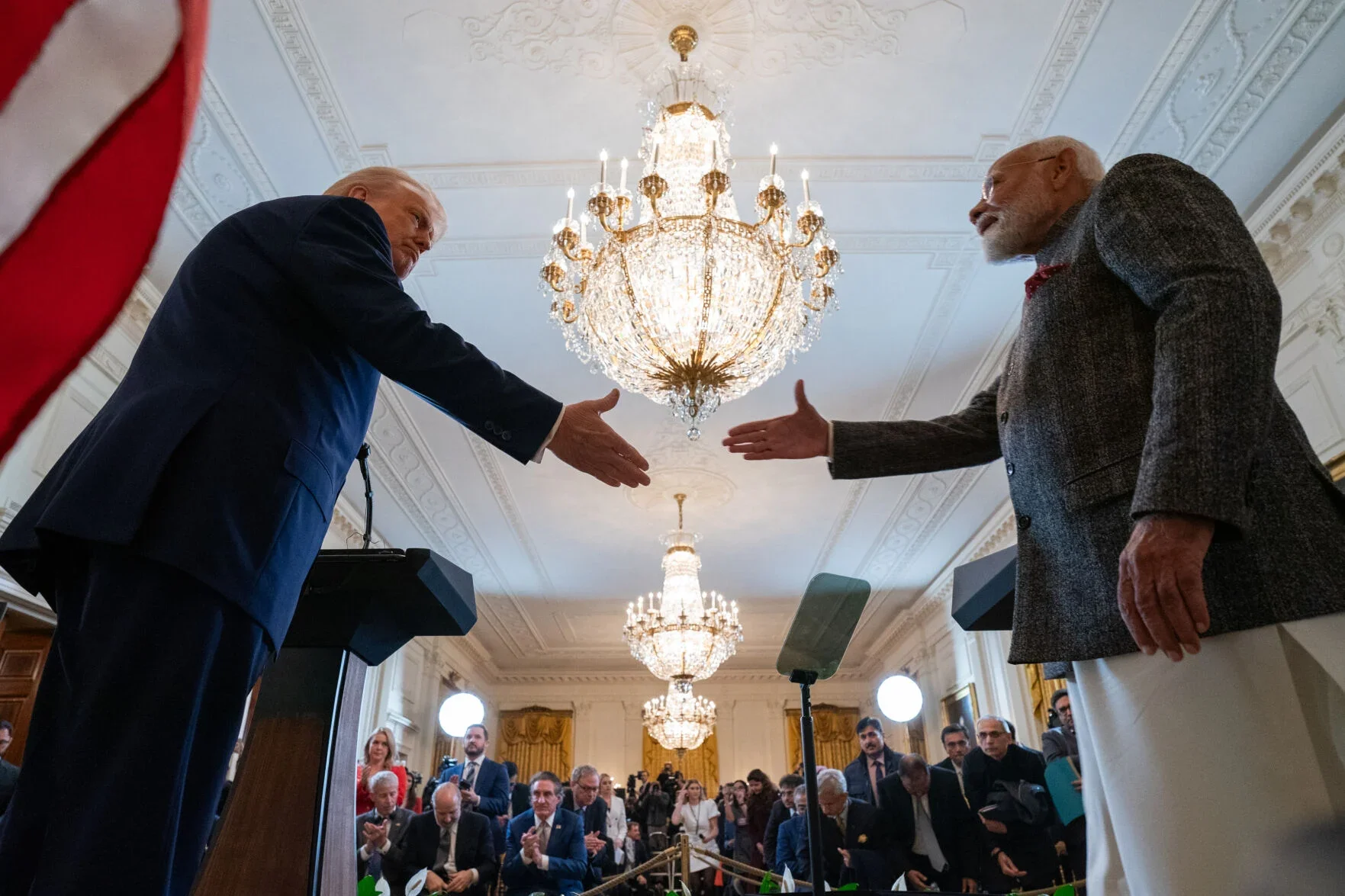
President Donald Trump has found yet another way to weaponize immigration: a $100,000 fee for new H-1B visa applicants. The policy lets POTUS kill two birds with one stone: By targeting mostly India, he also gets to punish California.
Take that, Prime Minister Narendra Modi and Gov. Gavin Newsom! To Trump, a noncompliant Modi is an irritant, and a trolling Newsom is a rival.
Most workers on H-1B visas come from India, and — unsurprisingly — the majority come to where opportunity is best: California. They are educated, trained and highly skilled employees who work in America’s fastest-growing industries in San Francisco and the Silicon Valley. READ MORE
Venezuela’s Best Chance for Freedom

Venezuela’s tragic collapse from petrostate to failed state has a name: Nicolás Maduro. His first stolen “reelection” in 2018, dismissed globally as neither free nor fair, sealed the fate of a nation now hollowed out and starving. It’s time for him to go. Whether by negotiated exit or the combined weight of domestic defiance and American pressure, his departure is both morally justified and strategically essential. READ MORE
India, Ukraine & China - Inside the Issues

Dr. Markos Kounalakis, a visiting fellow at Stanford University’s Hoover Institution and an expert in international and foreign affairs, breaks down the shift in US and India relations amid President Trump’s tariffs.
Kounalakis also shares the latest on the Russia-Ukraine war on "Inside the Issues."
The Geopolitics of Trade Wars
“Inside the Issues” host Amrit Singh speaks with Dr. Markos Kounalakis of Stanford University’s Hoover Institution to discuss the latest on President Donald Trump’s tariff policy and its impact on the global stage. Plus a look at the ongoing Ukraine-Russia ceasefire talks.
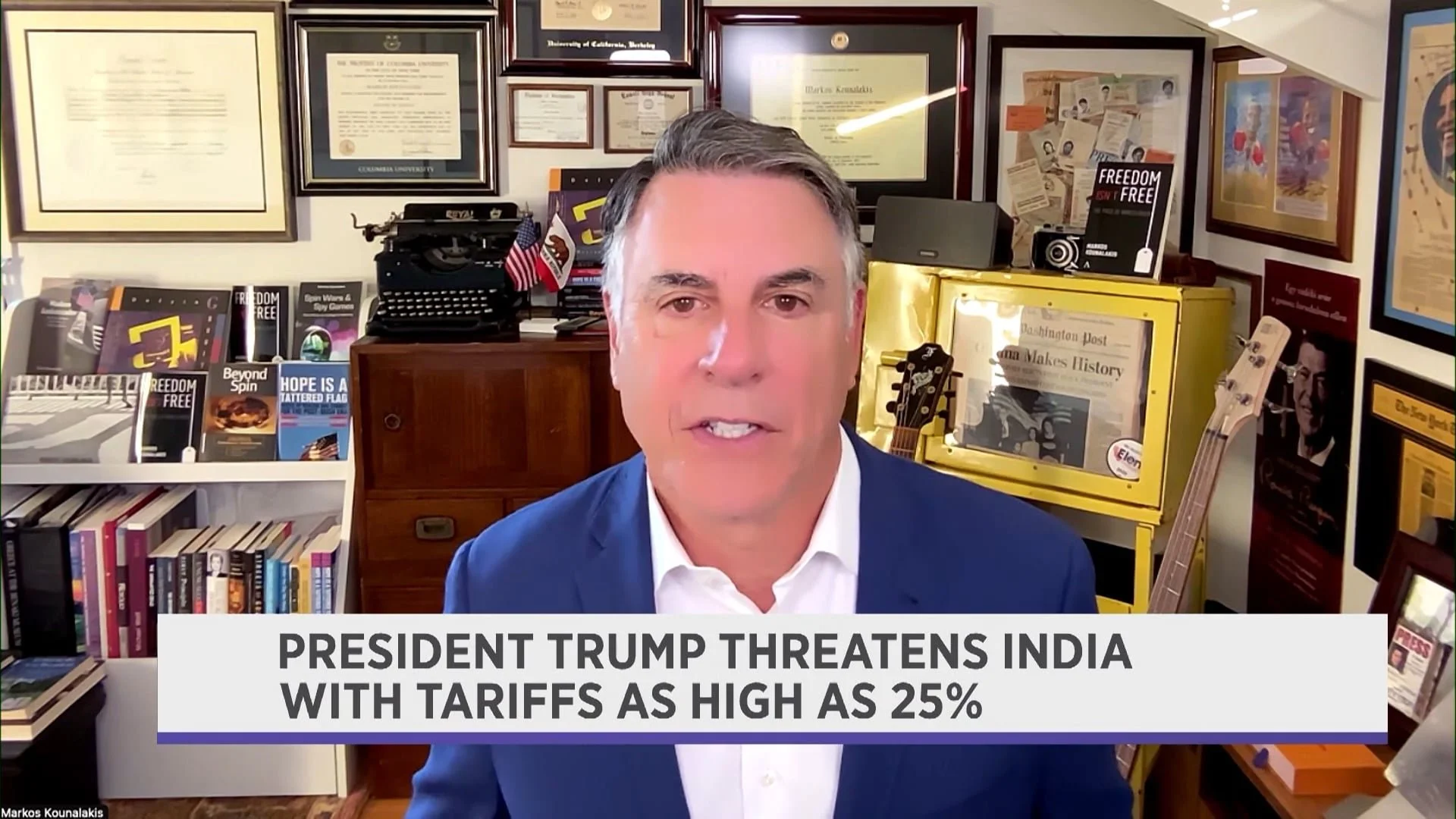
State of the war on Ukraine - Spectrum 1 News

“Inside the Issues” host Amrit Singh is joined by Markos Kounalakis, visiting fellow at Stanford University’s Hoover Institution, who speaks on the state of the war in Ukraine before Tuesday’s talks between the U.S. and Ukraine in Saudi Arabia. (Live broadcast on Monday, March 10, 2025).
The state of the Ukraine-Russia war

“Inside the Issues” host Amrit Singh is joined by Dr. Markos Kounalakis, visiting fellow at Stanford University’s Hoover Institution, who breaks down the state of the Ukraine-Russia war, which has entered its 1,000th day. November 19, 2024 on Spectrum News.
Europe: Trump v. Harris
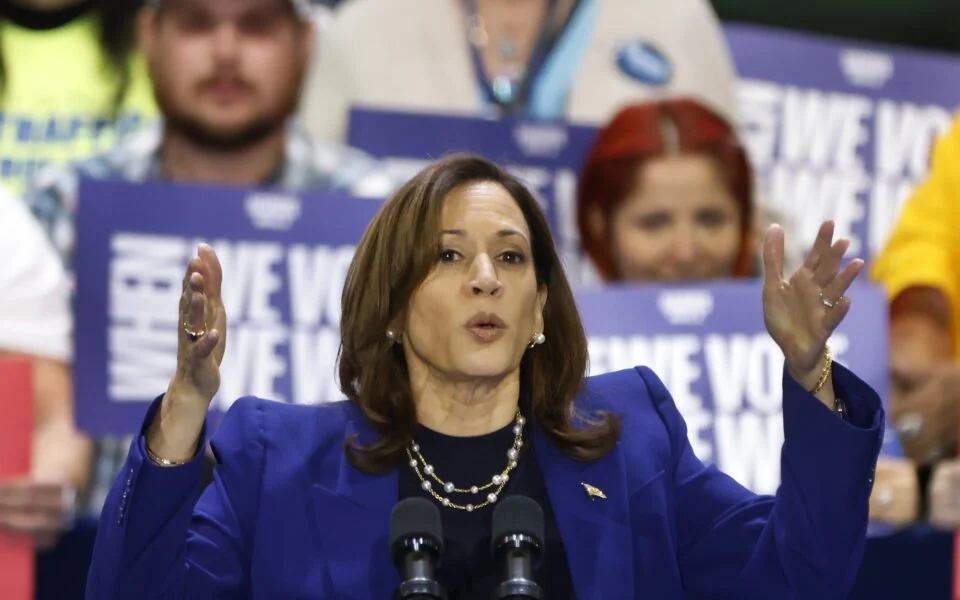
Kamala Devi Harris will be the first post-pandemic president of the United States. Unless, of course, she loses to the guy who was a failed pandemic leader.
Covid-19 changed the world. We are more digitally connected. We grew to understand how interdependent our world is and how reliant we are on Greek ships and container cargo. We learned that China could lock down and take over a remonstrating Hong Kong without firing a shot or taking much guff. Moscow made a run for Kyiv. All this between 2020 and 2022. READ MORE
Russia-Ukraine War Analysis - Spectrum 1 News

“Inside the Issues” host Amrit Singh is joined by Markos Kounalakis, a visiting fellow at Stanford University’s Hoover Institution, who reviews the latest developments in the Russia-Ukraine war.
Markos Kounalakis on WHY IS THE FORTHCOMING US PRESIDENTIAL ELECTION SO CRITICAL?

Markos Kounalakis, visiting fellow, Hoover Institution, Stanford University, at the 28th Annual Economist Government Roundtable #econroundtablegr
WHY IS THE FORTHCOMING US PRESIDENTIAL ELECTION SO CRITICAL?
• In which ways can the outcome affect Greece and the broader region? • Washington and the world: the new geopolitics of great power competition
Wess Mitchell
Former US assistant secretary of state for European and Eurasian affairs; principal, The Marathon Initiative
Markos Kounalakis
Visiting fellow, Hoover Institution, Stanford University
John Sitilides
Geopolitical strategist, Trilogy Advisors; Senior fellow for national security, Foreign Policy Research Institute; Fmr diplomacy consultant, U.S. Department of State (2006-23)
Dora Bakoyannis
MP, President of the standing committee on national defence and external affairs, Former minister of foreign affairs, Greece
California Sun: Markos Kounalakis on the Golden State’s global impact

Markos Kounalakis, a visiting fellow at Stanford University’s Hoover Institution and California’s “second gentleman,” married to Lieutenant Gov. Eleni Kounalakis, argued in a recent Washington Monthly piece that California, given its economic power and strategic location, is underrepresented in key U.S. Senate committees, including those on armed services, foreign relations, and intelligence. This limits the state’s contributions on crucial foreign policy decisions, particularly in the Indo-Pacific.
Link here for California Sun website and recording.