Markos Kounalakis on WHY IS THE FORTHCOMING US PRESIDENTIAL ELECTION SO CRITICAL?

Markos Kounalakis, visiting fellow, Hoover Institution, Stanford University, at the 28th Annual Economist Government Roundtable #econroundtablegr
WHY IS THE FORTHCOMING US PRESIDENTIAL ELECTION SO CRITICAL?
• In which ways can the outcome affect Greece and the broader region? • Washington and the world: the new geopolitics of great power competition
Wess Mitchell
Former US assistant secretary of state for European and Eurasian affairs; principal, The Marathon Initiative
Markos Kounalakis
Visiting fellow, Hoover Institution, Stanford University
John Sitilides
Geopolitical strategist, Trilogy Advisors; Senior fellow for national security, Foreign Policy Research Institute; Fmr diplomacy consultant, U.S. Department of State (2006-23)
Dora Bakoyannis
MP, President of the standing committee on national defence and external affairs, Former minister of foreign affairs, Greece
Reimagining Capitalism In A World on Fire
Free market capitalism is one of humanity's greatest inventions and the greatest source of prosperity the world has ever seen. This success, however, has resulted in the destruction of our environment and a concentration of wealth at the top. Right now, it's hard to picture a world where capitalism, environmentalism and equity can work together—but what if it could? Join Rebecca Henderson of Harvard Business School for a discussion about how we can reimagine capitalism in a way that aligns with our moral and ethical values. Henderson will discuss how it is both possible and profitable to move beyond an obsessive focus on shareholder value to solve global problems like income inequality, climate change, and the COVID pandemic. How can capitalism drive systemic change worldwide?
There’s a renaissance on the African continent that the U.S. can’t afford to dismiss
Ethiopia is the latest nation where an international aviation accident is in sharp focus, but the country itself is treated merely as the hazy backdrop and tragic context for a larger geopolitical story. This one involves Boeing, China trade wars and the credibility of American regulatory institutions.
All important stories, for sure, but Ethiopia is more than the tragically fatal scene of a plane crash. With more than 100 million people, Ethiopia is the second most populous African nation after Nigeria. Landlocked Ethiopia is also the continent’s fastest growing economy with arguably its most dynamic young leader.
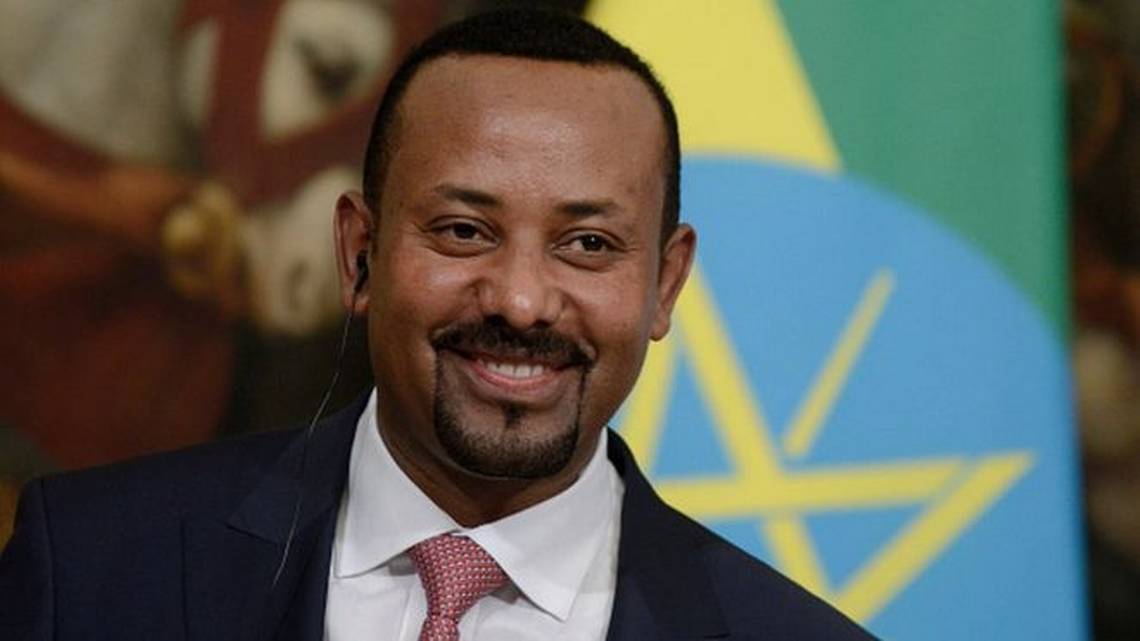
While other African countries, such as Algeria, struggle to put to pasture their near-comatose leader-for-life Abdulaziz Buteflika, Ethiopia broke the old clichéd mold of African strongman leaders who were generals or geriatrics and instead, almost a year ago, appointed a fresh and energetic reformer, the 42-year old prime minister, Abiy Ahmed. READ MORE