The Feminist Was a Spy
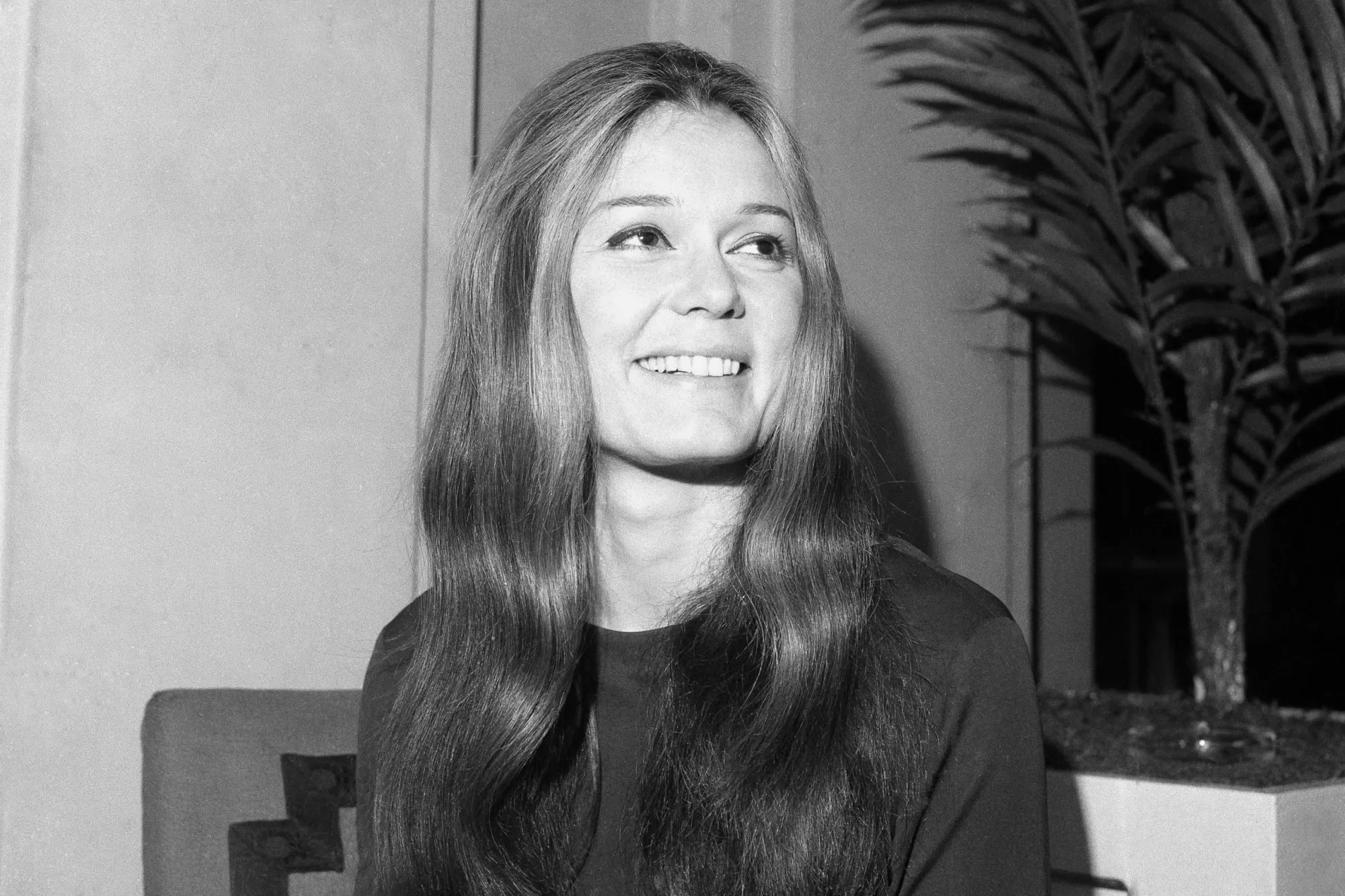
Gloria Steinem’s 2015 book, “My Life on the Road,” recounts her life’s journeys and travels. Early reviews and profiles reveal incredible detail of Steinem’s barrier-breaking feminist role, liberalism, romances and style.
What is often missed, or mischaracterized, is the work she did as a CIA agent: Steinem was a spook. READ MORE
Latest in Iran: U.S. launches retaliatory strikes after downing of Army helicopter
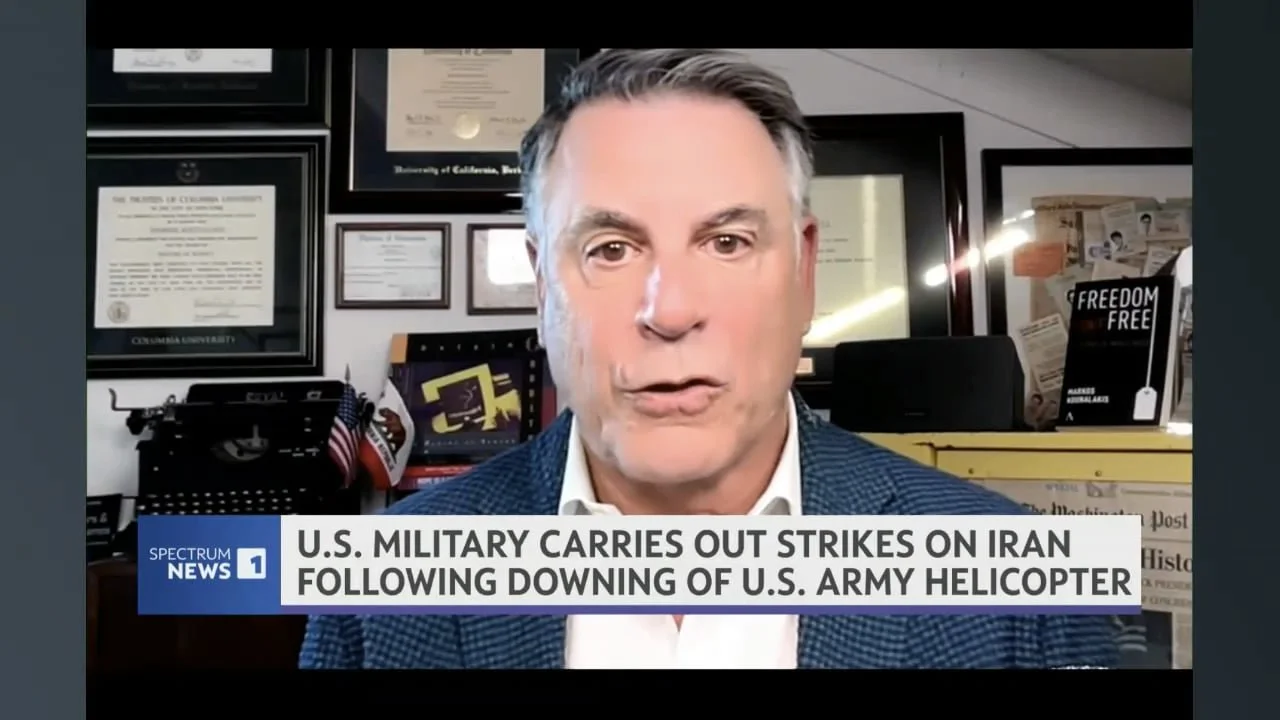
"Inside the Issues" host Amrit Singh is joined by Dr. Markos Kounalakis, visiting fellow at Stanford University's Hoover Institution, for the latest on the war in Iran, as well as the latest in the Russia-Ukraine war. View the segment
What Mark Twain Could Teach Pete Hegseth About Holy War
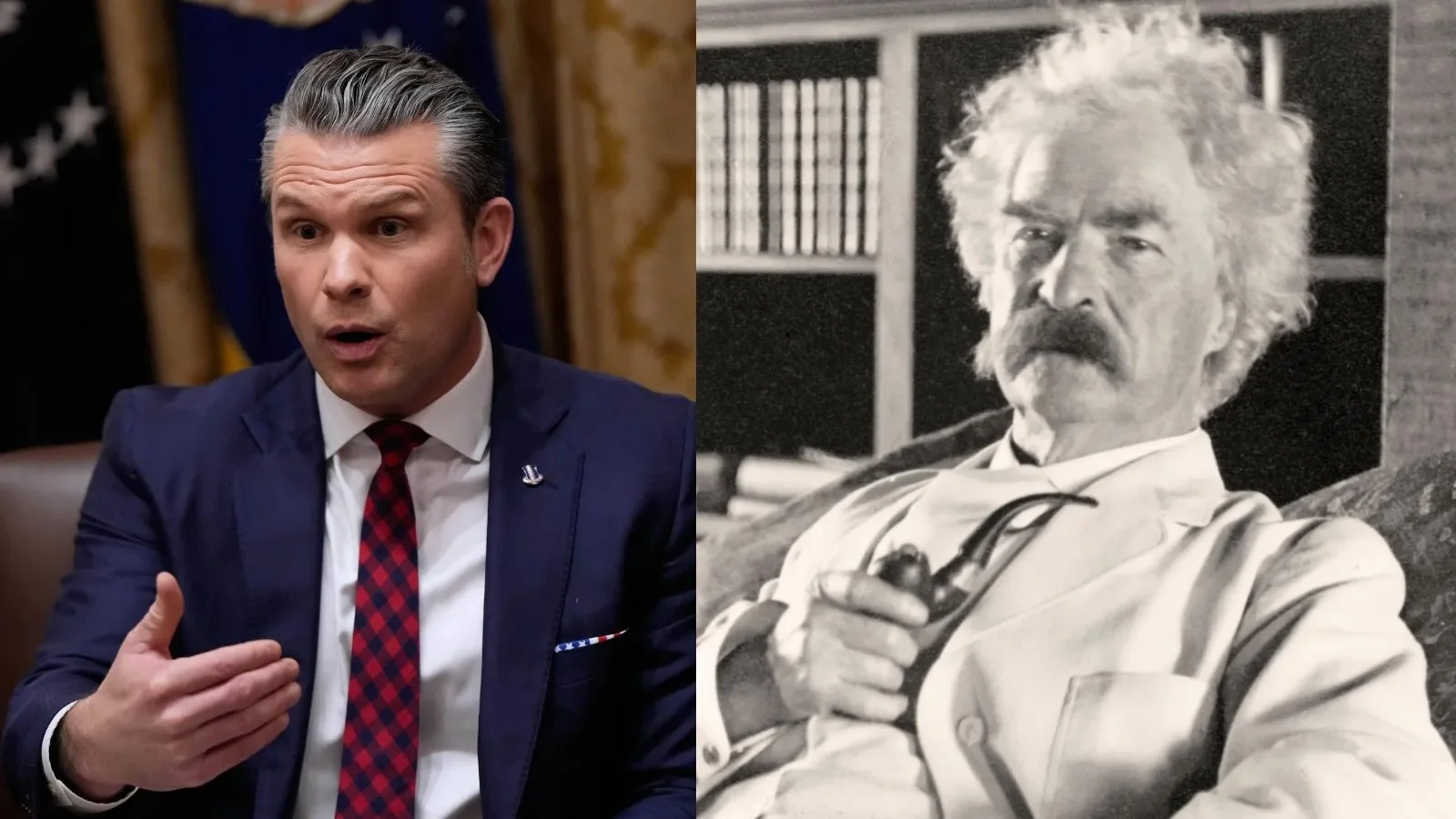
The United States has long used religious rhetoric to exhort its soldiers into battle. As the current U.S.-Israeli war against Iran cycles through attacks and ceasefires, the rhetoric is disturbingly familiar. The conflict is being framed not just as a strategic necessity, but a moral imperative—a righteous cause blessed from on high. “Secretary of War” Pete Hegseth, who in his 2020 book American Crusade points to the Middle East and writes, “we don’t want to fight, but, like our fellow Christians a thousand years ago, we must. We need an American crusade.” Hegseth asked Americans to pray for her soldiers and their victory “in the name of Jesus Christ.” This fusion of piety and patriotism, where God is an active combatant on America’s side, is exactly what animated one of our greatest writers to pen his most devastating critique of war. READ MORE - - - View “The War Prayer” on YouTube
The Price of a Lost Russia: A Correspondent’s Eulogy
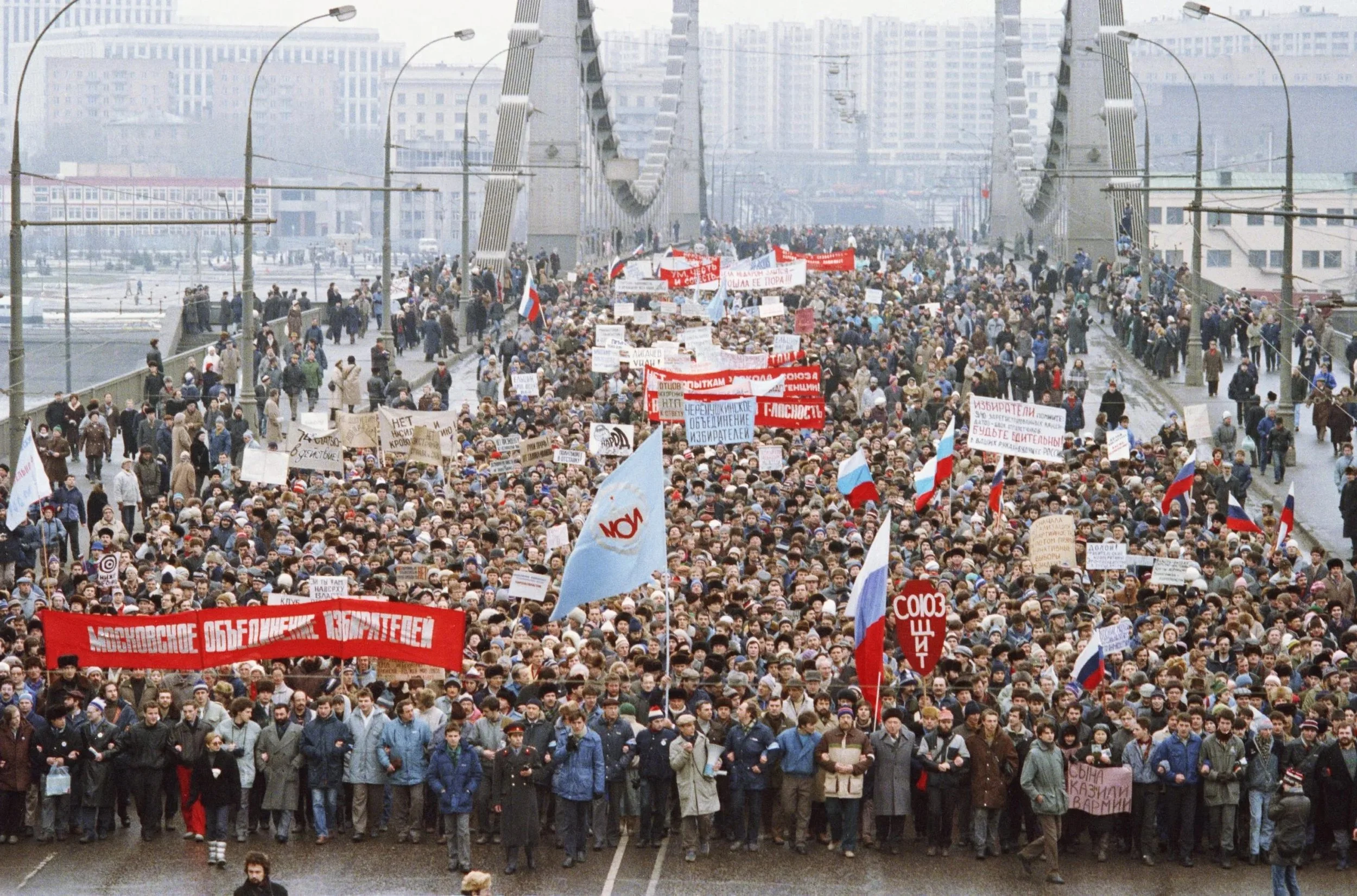
The cold was constant, but the silence felt most profound. On Christmas Day, 1991, I stood in Moscow and watched the red hammer-and-sickle flag slither down the Kremlin flagpole for the last time. The Soviet Union was no more. Reporting for NBC Radio and Mutual News, I was a witness to the end of an empire and, we thought, the birth of a new Russia. The air, thin and sharp with winter, was thick with a dizzying mix of exhilaration and dread.
On the streets, this new era was not one of simple, unified hope. It saw a raw display of societal fracture. Near Red Square, in front of the grand Detsky Mir—the “Children’s World” department store—I saw the human cost of a collapsed system embodied in a single, tragic image: a babushka, her face a mask of quiet desperation, trying to sell a single sock on the frozen pavement. Her life savings had evaporated, and the social safety net had disintegrated, leaving only her last, threadbare possessions. At the same moment, the beneficiaries of this chaos sped past in flashy cars, their newfound wealth—often derived from arbitrage between foreign currency and citizens’ despair—on opulent display as they headed to private restaurants and casinos. This was the messy, brutal dawn of Yeltsin’s Russia: a society of explosive potential and predatory opportunism. READ MORE
Melania Speaks: The Eloquence of Hypocrisy
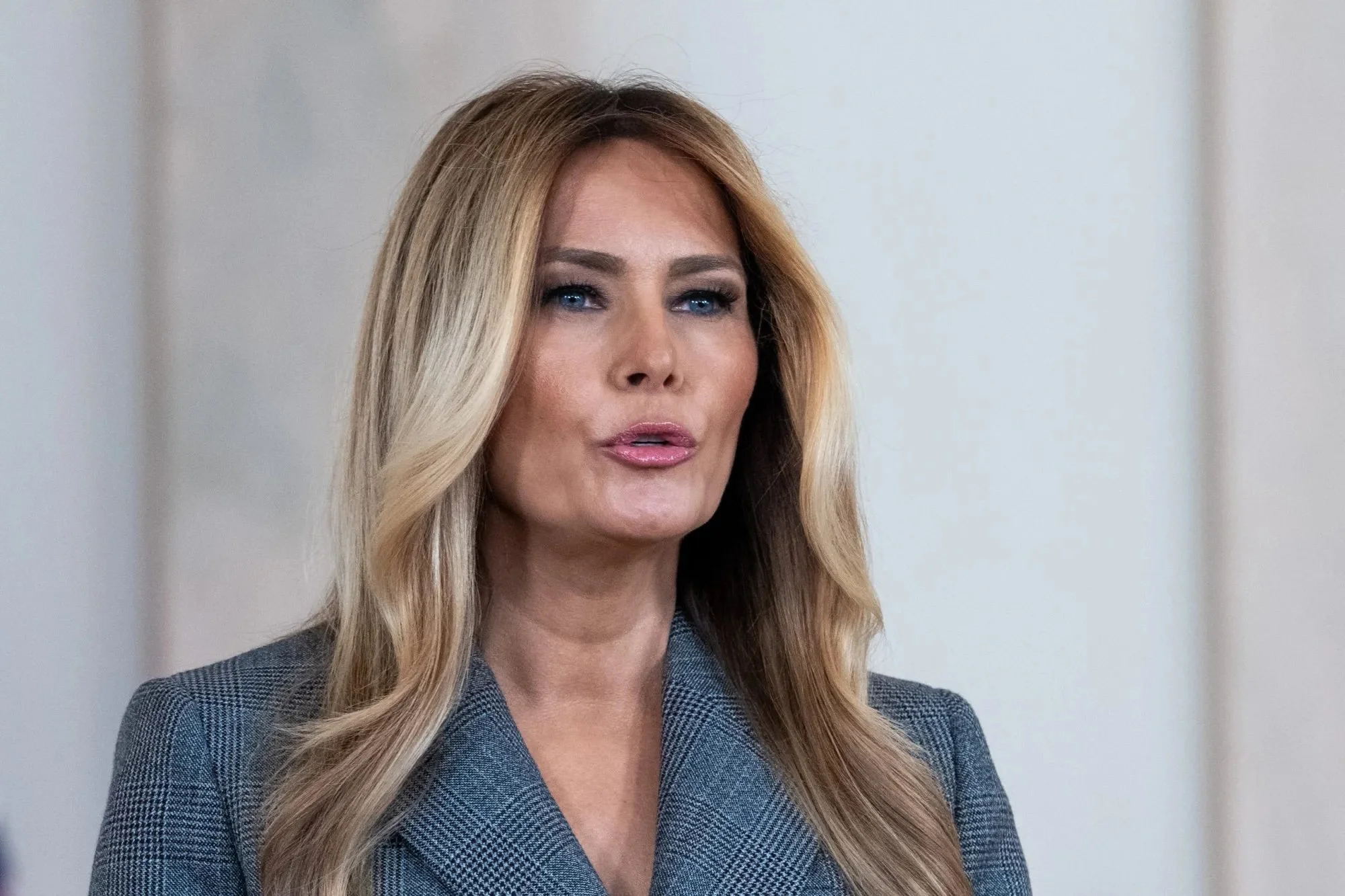
n Thursday, in the exact White House room where President Trump recently addressed the nation about the Iran war, First Lady Melania Trump strode up to the lectern to address a different sort of crisis. Her topic and demeanor were grave; her scripted words meant to convey solemnity. The delivery, however, conveyed a jarring disconnect.
This is not to litigate the complex web of associations and legal questions swirling around the Jeffrey Epstein case. Those demand their own continuous investigation. But the timing of the First Lady’s rare national address was weird, the formal setting incongruous, and the call for Congress to act befuddling. We will certainly find out more in the coming days, but this piece is not about the Epstein case. This is about what we heard in that room. READ MORE
California is the health innovator that can barely afford care

California invented modern wellness. Now, it can no longer afford it. A public health crisis, fueled by massive federal budget cuts, is bearing down on the very state that taught the world how to be well.
As federal political priorities shift towards deregulation and massive funding cuts — like the recent $600 million reduction for California and three other states — the gap between the health-haves and have-nots is becoming a chasm. In the Bay Area, counties are bracing for catastrophic losses; Santa Clara County alone projects a shortfall of up to $1 billion over the next few years, forcing local governments to scramble for regressive sales taxes to fund what progressive federal taxes once covered.
Here lies the great California paradox: the state that gave the world the modern gym, the farm-to-fork movement and the wellness mindset is becoming a place where those benefits are increasingly inaccessible to its own residents. READ MORE
As Iran War Rages, Trump’s Gutting of Voice of America Undermines U.S. Influence
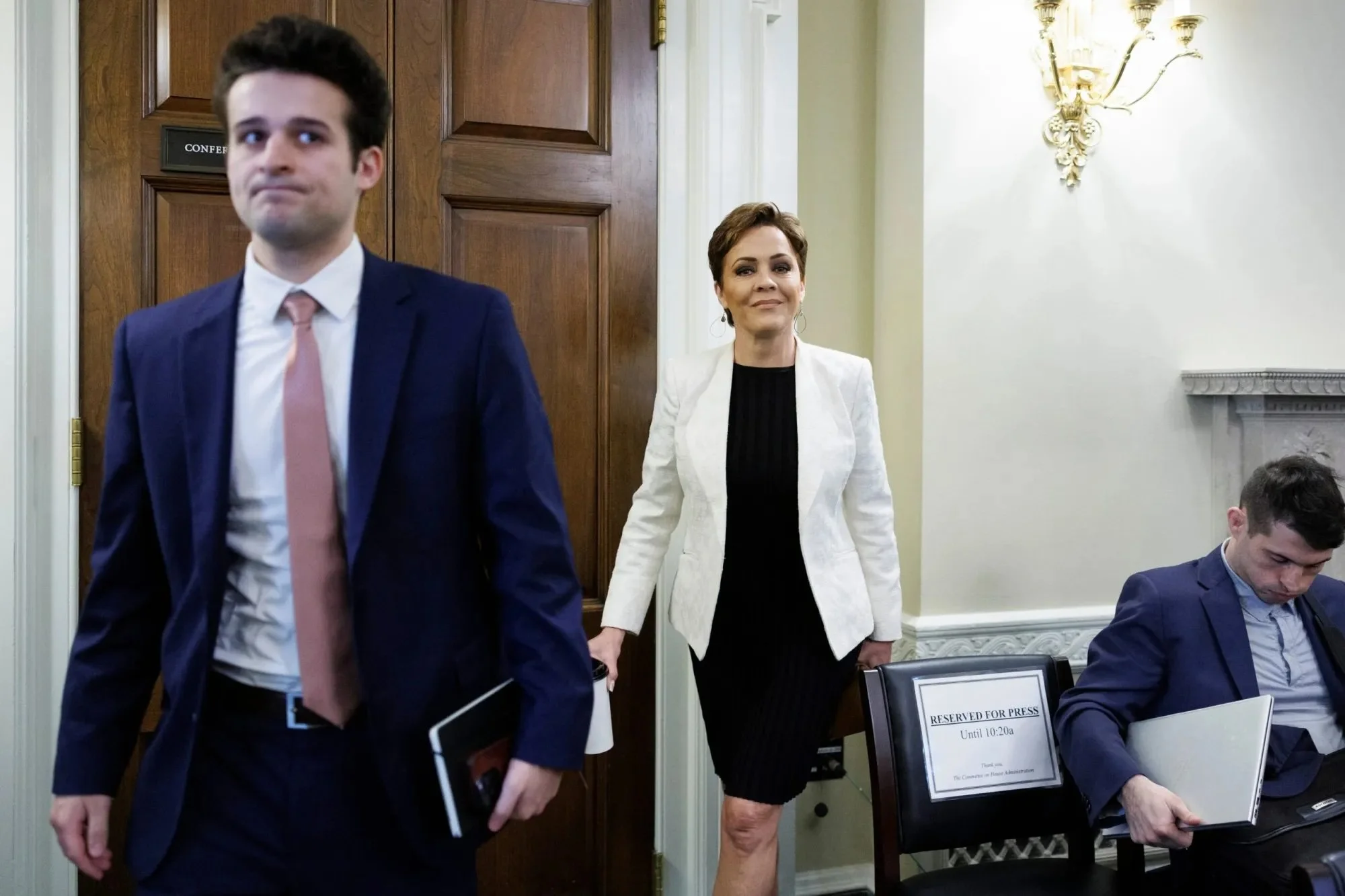
As American and Israeli forces attack Iran, a critical weapon in our arsenal is badly broken. An enemy missile or a cyberattack did not destroy it; it was dismantled from within, a victim of Donald Trump’s shortsightedness.
The gutting of America’s international broadcasting and public-diplomacy tools—specifically the State Department’s Global Engagement Center (GEC), the U.S. Agency for Global Media (USAGM), and the Voice of America’s (VOA) Persian service—amounts to unilateral disarmament in the information war. It is a mammoth strategic blunder, the consequences of which are coming into relief. Just as the administration has spurned allies and is now begging for their help to reopen the Strait of Hormuz, it has taken a hatchet to these public diplomacy tools and is hastily trying to rebuild them. READ MORE
Cuba Libre: Rubio’s Big Bet on Regime Change in Havana
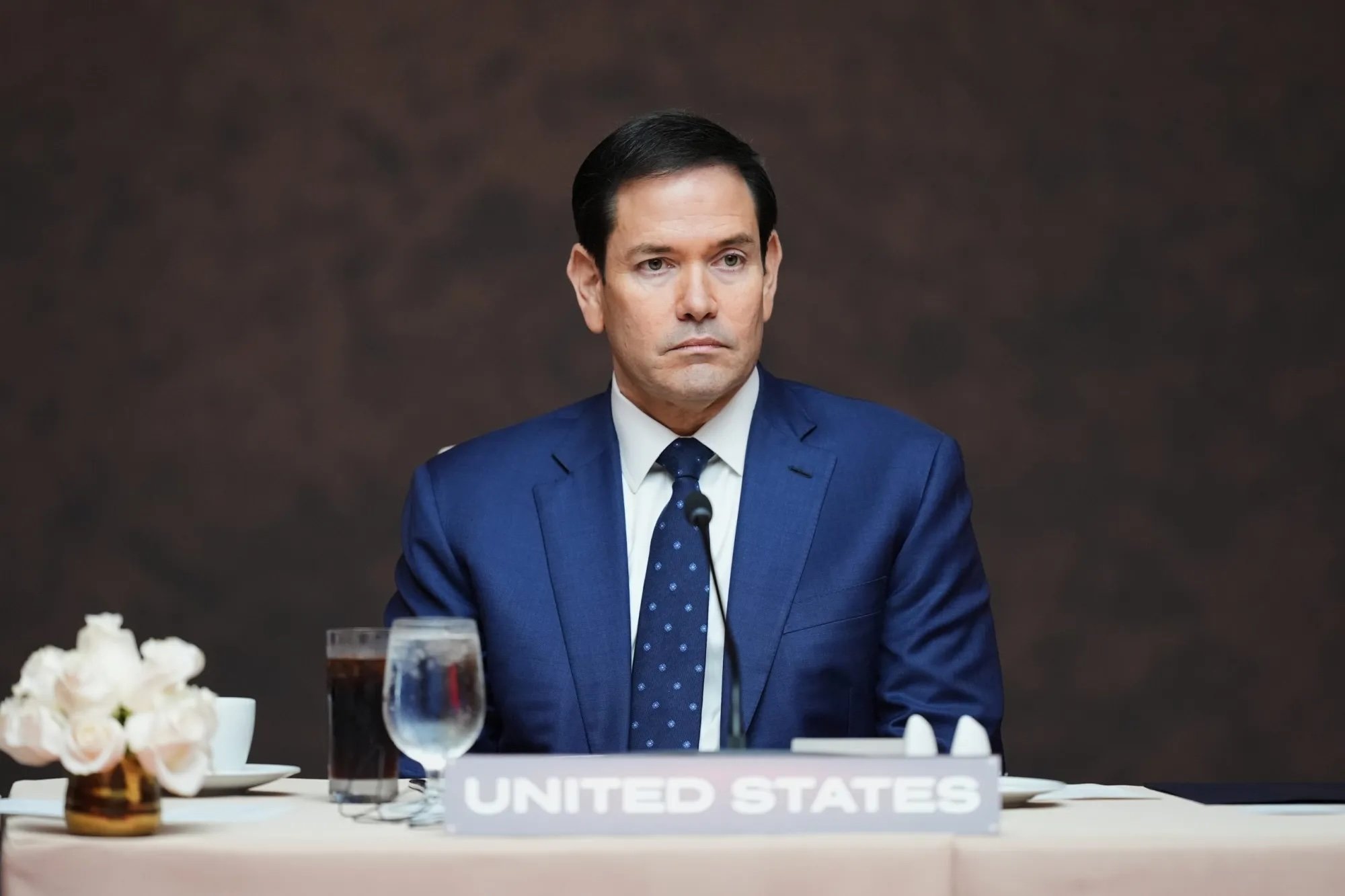
uba’s communist regime was not supposed to live to see its 66th birthday. Yet Cuba is one of the world’s longest-surviving single-party states and the oldest in the Western Hemisphere. President Donald Trump and his team have all but said that they want to topple the government just as soon as he receives Iran’s “unconditional surrender.”
Have conditions and attitudes changed enough on the island since 1959 for the leadership and party to survive the next phase of America’s amped-up Monroe Doctrine? READ MORE
Geothermal: Clean Energy for People Who Like to Drill
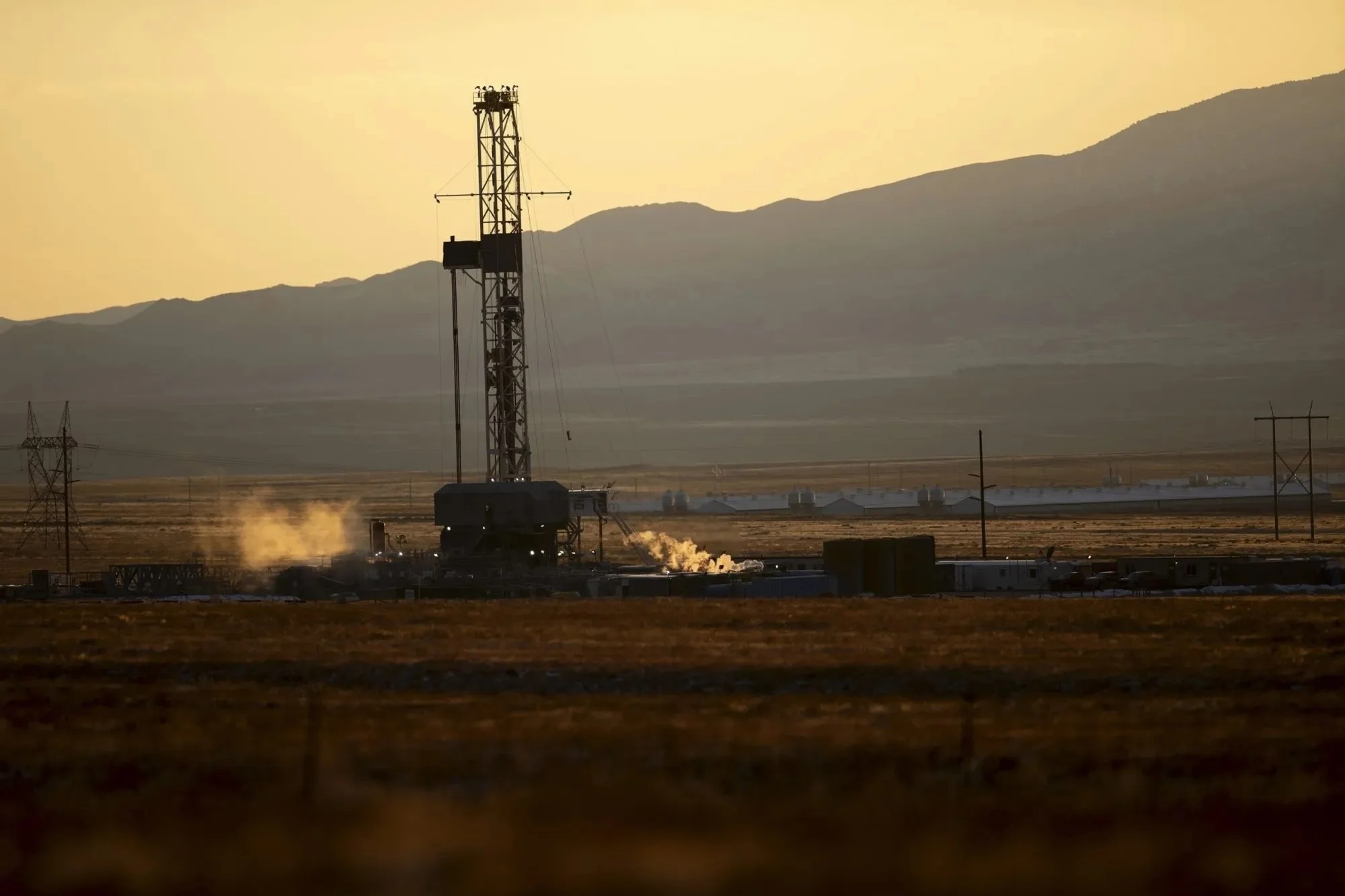
Today, most people view artificial intelligence (AI) as a cultural phenomenon—think chatbots, deepfakes, existential essays on consciousness, and fears about AI replacing jobs. Beneath these ideas lies the AI industrial effort—artificial intelligence as physical infrastructure, including transformers, substations, and silicon warehouses that operate nonstop. They are forcing the idea of reliable power, a concept California once outsourced to natural gas.
In 2024, clean energy accounted for about 60 percent of California’s power mix. It’s one of the Golden State’s crowning achievements, built on hard policy and harder engineering, such as the Renewables Portfolio Standard and a mandate for 100 percent clean electricity by 2045. Natural gas still supplied roughly 40 percent of the state’s electricity. The state decarbonized the noon hour faster than the evening peak, the heat wave, and the smoky day, when solar output is low. Wind and solar are indispensable. Batteries are getting bigger and cheaper. But they are not 24/7 insurance and won’t be for years. America needs clean power beyond wind and solar.
Right on cue, geothermal makes its grand re-appearance. READ MORE
Trump’s attacks on California condemn America to dependency on China
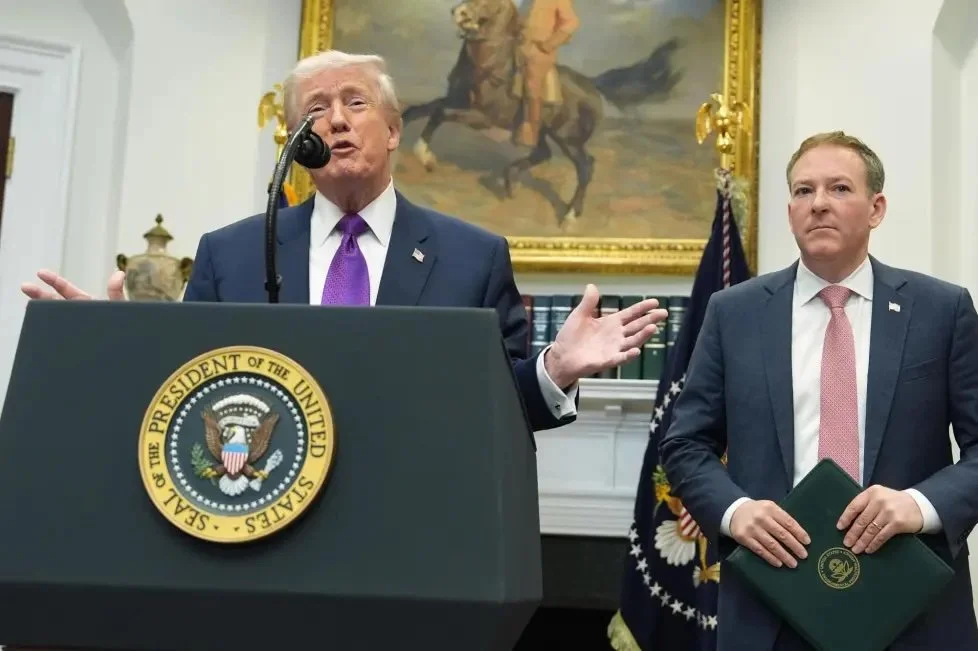
The 21st-century economy — from our smartphones and F-35 fighter jets to wind turbines and electric vehicles — runs on 17 obscure metals known as rare earth elements. Control their supply, and you control the technological high ground. For decades, America ceded this control, a strategic blunder that left our security perilously dependent on China, which now dominates over 80% of the global supply chain.
The Trump administration, to its credit, correctly identifies this vulnerability as a five-alarm fire. Its diagnosis is accurate and plans for a $12 billion dollar strategic stockpile heartening. Its other proposed solutions, however, have been a series of bizarre and coercive foreign policy gambits that betray a fundamental misunderstanding of American strength. READ MORE
Trump’s Iran Strike: What It Says About Russia—and Us
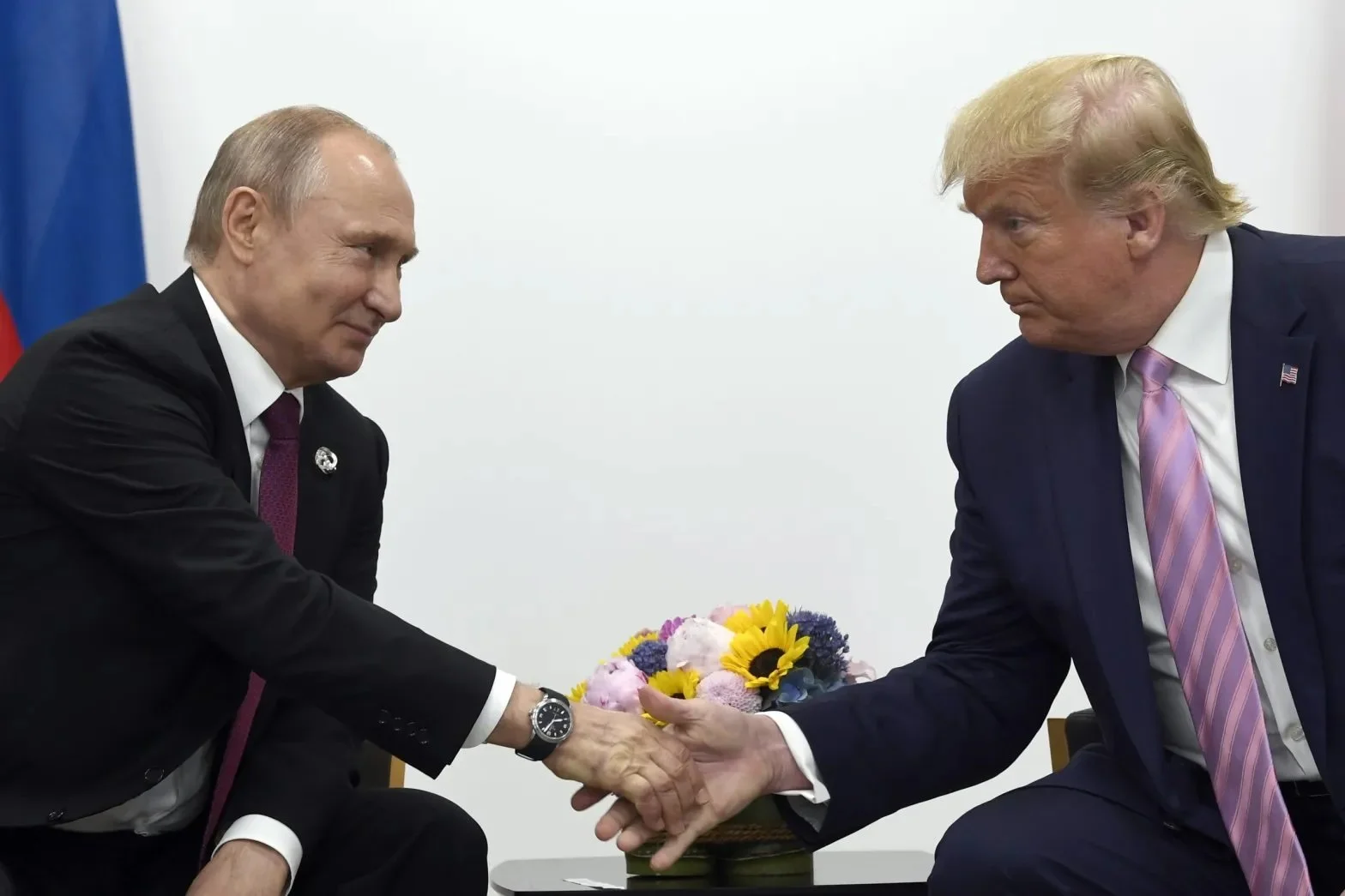
Russia is toothless. If anyone needed evidence of how far and fast Russia has fallen, it is the American assault on Iran. This “war,” as President Donald Trump called it in his video message on Saturday, would have been impossible if Moscow were not bogged down with its reckless, inhumane bloodbath in Ukraine, now in its fifth year. (That’s not counting the 2014 Crimean invasion and annexation, which would make it 12 years.) While Russia bleeds, its clients, allies, and friends flail or fall.
Syria and Venezuela were pre-show. Iran is big time. Bashar al-Assad had nowhere to turn when he fled Damascus, except to hole up in Moscow. Russia couldn’t save him, but it gave him a place to retire. Nicolas Maduro could count on Cuban personal security in Caracas, which didn’t stop him from being cuffed, hooded, and taken to federal detention in lower Manhattan. For years, Russia was the guarantor of its regimes’ survival, but Moscow is spent, and Vladimir Putin is a friend without benefits. No administration would have toppled two Russian allies in one winter if the Kremlin were still a global player and protector. That’s no solace for poor Ukraine, but on the geopolitical chessboard, Kyiv’s heroic fight made changes in Damascus and Caracas possible. The world is better off without Assad and Maduro. (Goodbye Hamas and Hezbollah, too). READ MORE
In India-US deal, there is a dangerous asymmetry. California can bridge the gap
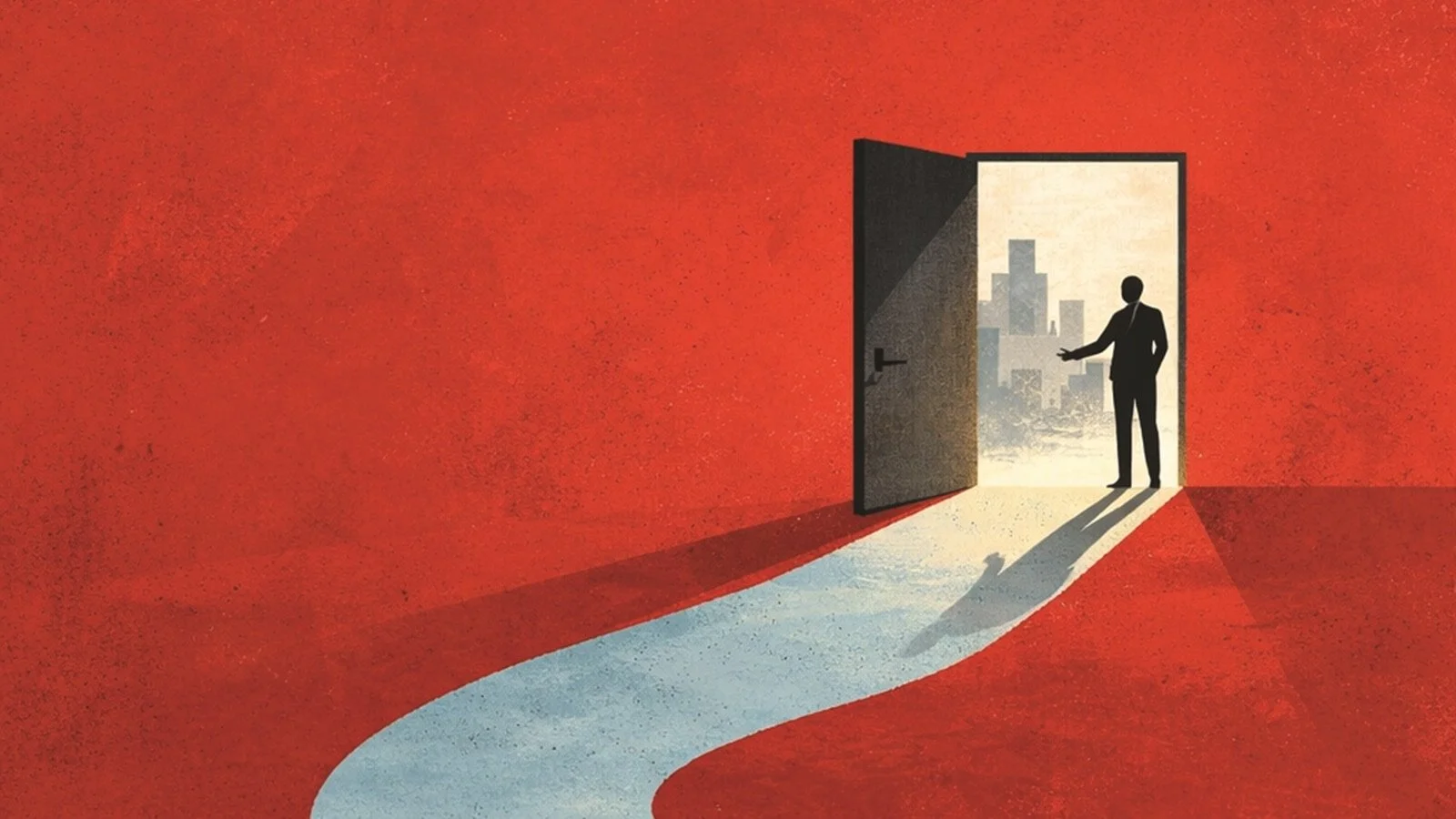
The prevailing narrative surrounding the US-India relationship is one of triumph. As the world’s oldest and largest democracies, we often celebrate our converging strategic interests, robust trade, and deep cultural ties. Yet behind the handshakes and headlines, the cold, hard statistics on foreign direct investment (FDI) reveal a structural vulnerability — a dangerous asymmetry that threatens to undermine the long-term health of our partnership.
The United States currently stands as the third-largest source of FDI into India, a testament to American confidence in India’s growth potential and economic trajectory. The flow in the opposite direction, however, tells a starkly different story. India does not even rank among the top 20 sources of FDI into the United States. This imbalance creates more than just a missed economic opportunity; it creates a significant political liability for New Delhi — particularly in this America First-driven political climate and trade reality. READ MORE
Lai and Bezos: A Tale of Two Publishers
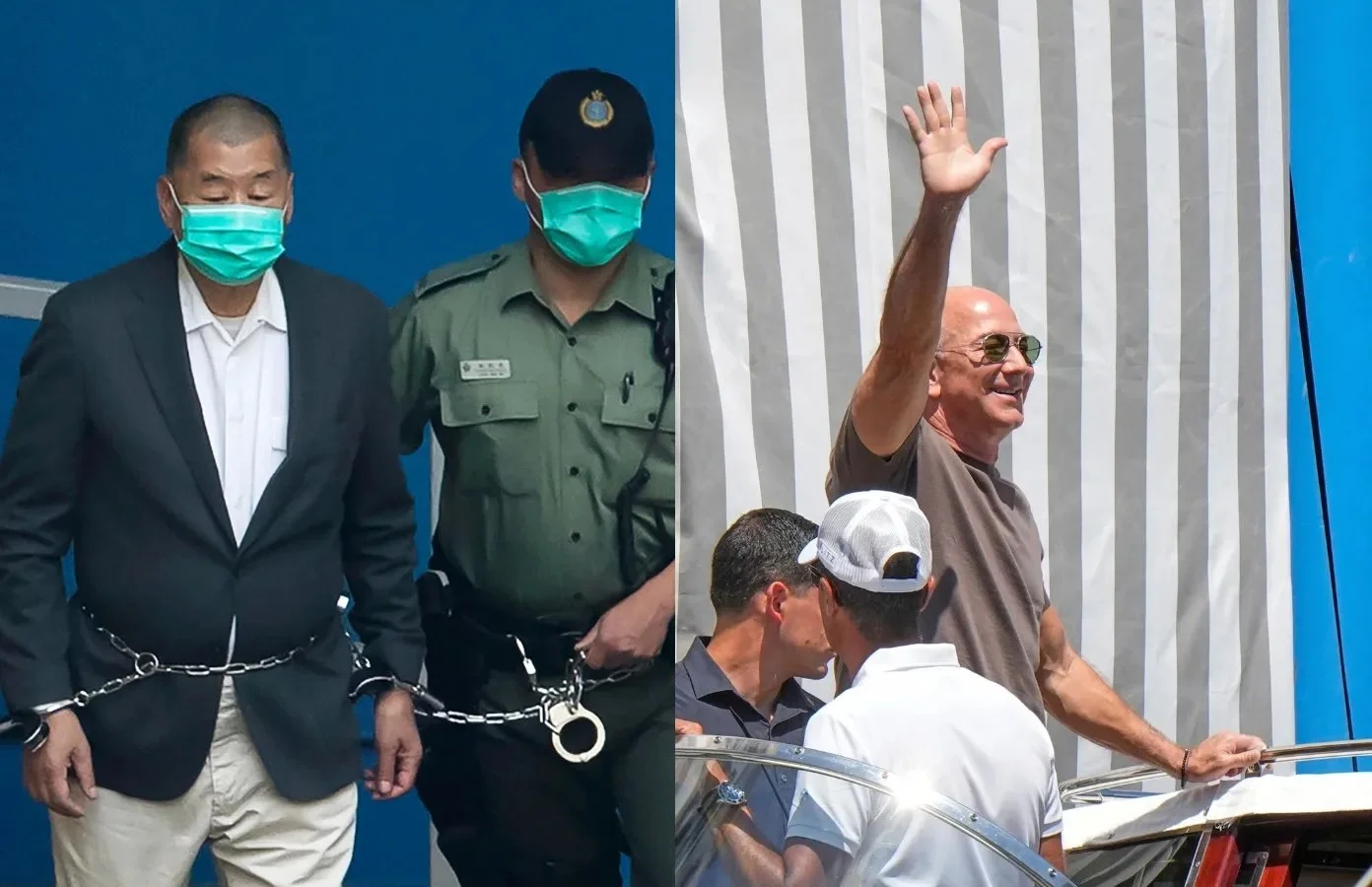
On our screens, two images tell a story for our time. First, there is a fleeting glimpse of publisher Jimmy Lai, 78, standing trial in Hong Kong. The democracy advocate and critic of the Communist regime, he’s been handed a 20-year prison term—a span so long, it is a death sentence. Lai is a man erased for the crime of promoting a free press. His world is a prison cell, his future a void. The second image is of Jeff Bezos on a yacht, radiant under a Mediterranean sky, a titan of industry whose newspaper, The Washington Post, once adopted, under his ownership, the solemn motto, “Democracy Dies in Darkness.”
One publisher is in a cell, the other on a yacht. To see the gulf between them is to spy the war on truth.
Appreciating the cruelty of Lai’s fate, one must remember the promise that was Hong Kong. It was meant to be a beacon of “One Country, Two Systems,” a vibrant city where commerce and speech coexisted when the United Kingdom relinquished its claims to the former colony in the late 1990s. As Beijing retreated from its commitments to Hong Kong’s freedom, its citizens fought back. The 2014 Yellow Umbrella Movement was the zenith of this spirit of liberty, a breathtaking display of civil disobedience where a generation demanded the democratic future they were promised. For a moment, it seemed possible. READ MORE
Trump’s Catastrophic War on Global Talent
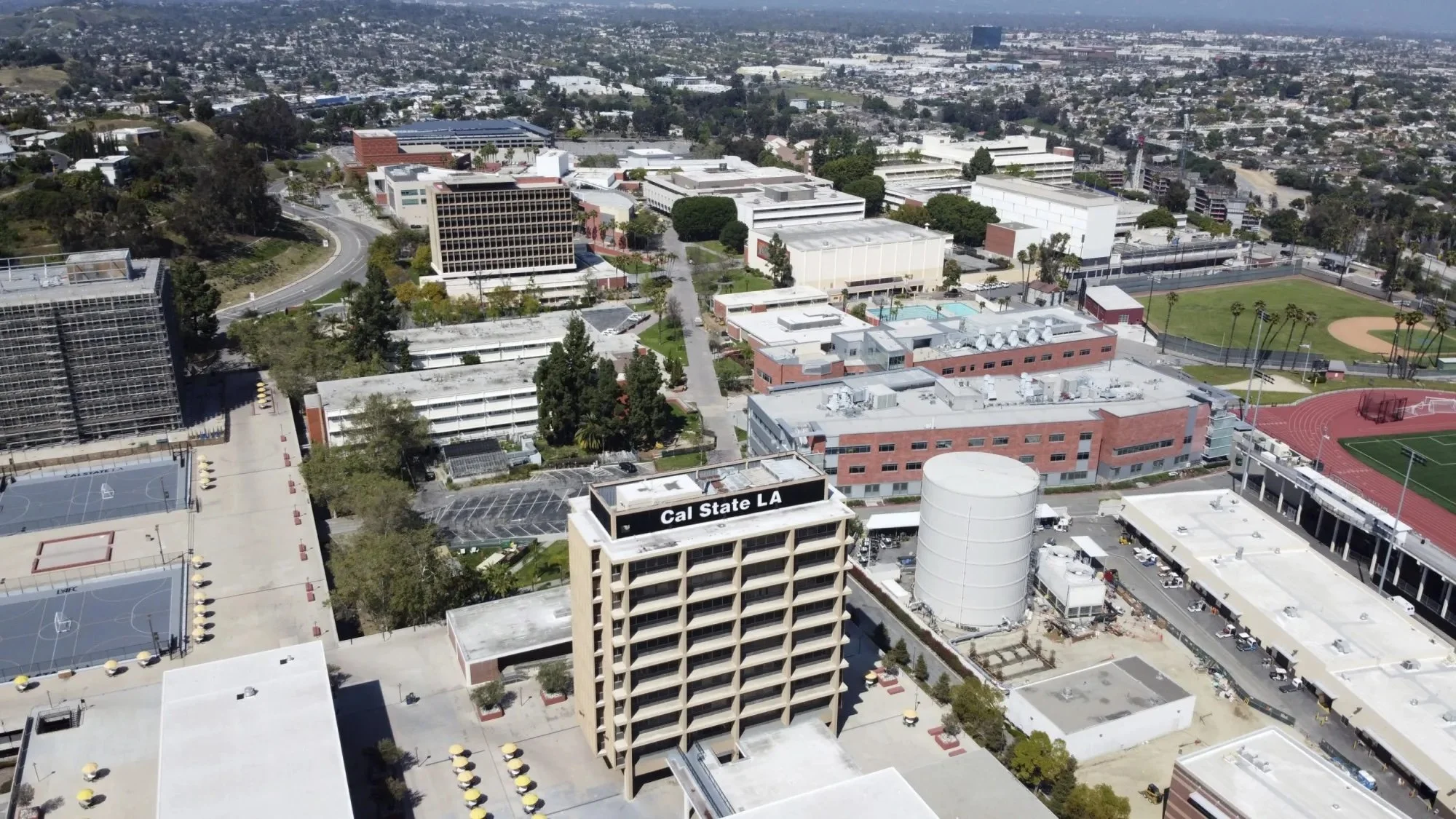
America is just beginning to tally the cost of our catastrophic, self-inflicted wound. During Trump 1.0 and Trump 2.0, by assaulting immigration and global engagement, we have also banned and discouraged the globe’s most talented students from being educated here, hurting ourselves and our economy. After green shoots of recovery under Joe Biden, the data reveal the profound price we’re paying.
America’s economic engine of international education is powerful. According to data from NAFSA: Association of International Educators, for the 2022-2023 academic year, the most recent available, international students contributed more than $40 billion to the U.S. economy and supported more than 368,000 jobs. Ground zero for this war on talent is California. In the Golden State alone, this meant over $6 billion in economic activity. These talented international students, often paying full-freight tuition, keep our magnificent University of California and Cal State systems affordable for in-state students. It is the rent paid to local landlords, the money spent in our small businesses, and the funding that fuels our advanced research labs. READ MORE
Trump’s Authoritarian Envy: The Plight and Peril of a Lame Duck
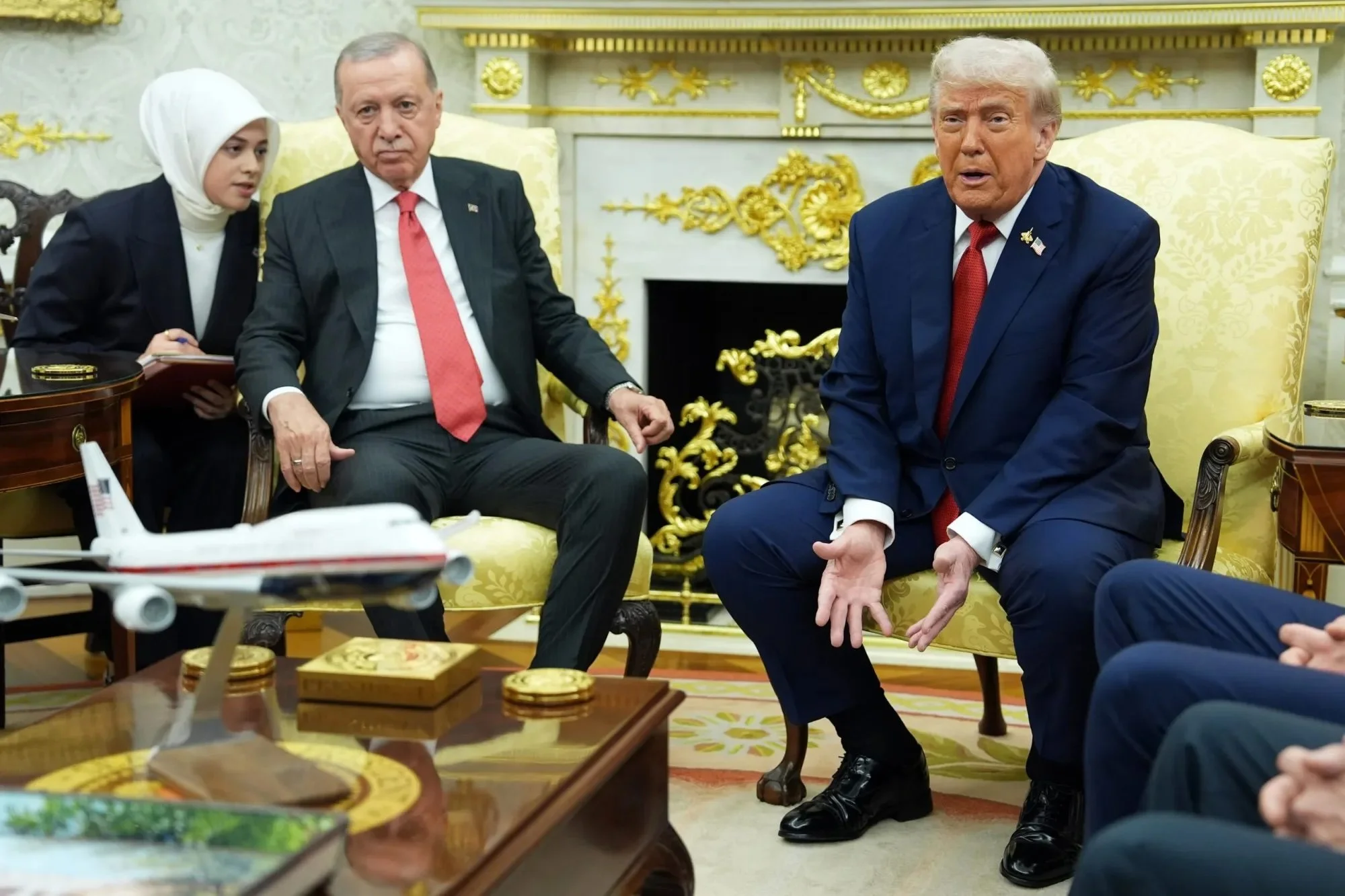
hile the world was distracted, Turkey swallowed a piece of Syria. This is not a creeping occupation; it is annexation in plain sight, a brazen 21st-century conquest. Following the collapse of Bashar al-Assad’s regime, Ankara has seized effective control of approximately 9,000 square kilometers of northeastern Syria—a territory larger than Delaware and Rhode Island combined. This is no mere buffer zone patrolled by a nervous neighbor; it is a new, unofficially declared Turkish province.
The evidence of this de facto annexation is overwhelming and irrefutable. The Turkish lira, not the Syrian pound, is the official currency. Turkish-language schools, funded and staffed by Ankara, are educating Syrian children. Turkish-built hospitals, post offices, and infrastructure projects have replaced the functions of the Syrian state. Most strategically, plans are advancing for a railroad that will directly connect this resource-rich territory to the Turkish heartland, cementing its economic and strategic absorption for decades to come. All the while, Turkish troops patrol the region, enforcing Turkish rule and effectuating a brutal clampdown on the Kurdish populations, once America’s most effective partners against ISIS. READ MORE